Rumors spread by Egypt’s Muslim Brotherhood ahead of January 25: a repeated tactic exposed by public awareness
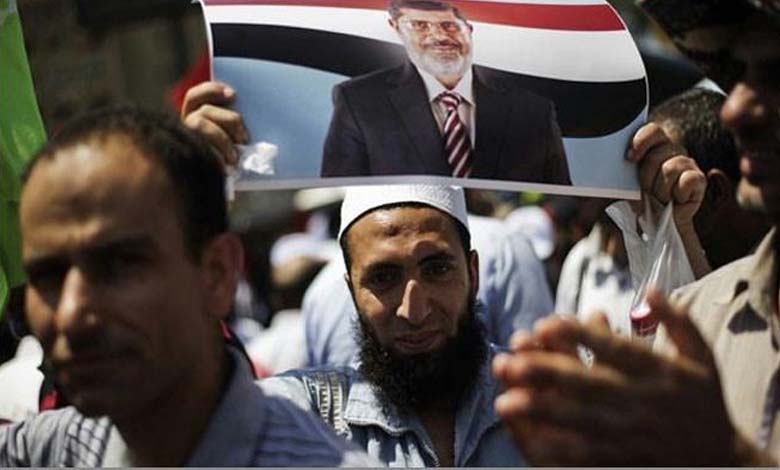
The terrorist Muslim Brotherhood in Egypt has become accustomed to exploiting the anniversary of the January 25, 2011 events to spread rumors against the Egyptian state, despite its overwhelming rejection by the public.
The latest of these rumors claimed the death of Khairat Al-Shater, deputy supreme guide of the Muslim Brotherhood, in prison, as well as a deterioration in the health of several imprisoned leaders of the group, claims that were categorically denied by a security source.
-
What is the Relationship between the Founding of the Muslim Brotherhood in Egypt, Iraq, Syria, and the Greater Israel Project?
-
“Year of Lies and Blood”: Major Terrorist Crimes Committed by the Muslim Brotherhood in Egypt
The source stated that the concerned leaders are in good health and receive full medical care, like all other inmates, stressing that all rehabilitation and reform centers provide comprehensive health and living facilities in accordance with the highest international standards of human rights.
The source explained that these rumors fall within the framework of the group’s longstanding practice of spreading falsehoods and fabricating stories to create confusion and to seek special privileges for its imprisoned members outside the legal framework.
-
A new slap to the Brotherhood in Egypt; The failure of calls November 11 marks the end of the terrorist organization
-
72 years since the dissolution of the Muslim Brotherhood: the story behind Egypt’s Revolutionary Command Council decision
Since its popular rejection in 2013, the organization has persisted in such attempts, but the refusal of the Egyptian people and their heightened awareness remain a solid barrier against which these maneuvers consistently fail.
In recent months, the Brotherhood has intensified its rumor campaigns, sometimes targeting conditions inside rehabilitation and reform centers and at other times focusing on the country’s internal situation.
-
The United States designates the Muslim Brotherhood branches in Lebanon, Egypt, and Jordan as terrorist organizations
-
Echo-less rumors: Egyptians’ awareness foils the Muslim Brotherhood’s plan ahead of the January 25 anniversary
A security source said that January represents the Brotherhood’s annual season of rumors, noting that the group habitually falsifies facts, recycles old video footage while claiming it to be recent, and spreads misleading content, reflecting a state of political bankruptcy and desperate attempts to stir unrest.
The source added that, realizing the repeated failure of their calls for protests due to public awareness and widespread rejection of the terrorist group, the Brotherhood has resorted to seeking sympathy and privileges for its imprisoned members by spreading claims about poor detention conditions.
-
Muslim Brotherhood rumors in Egypt: public awareness thwarts the blank shots
-
The Muslim Brotherhood Has Betrayed the Egyptian Army Since the 1948 War… A Journalist Presents the Evidence
The source stressed that the terrorist organization seeks to undermine the stability enjoyed by the country, a reality well understood by public opinion, adding that legal measures will be taken against those who promote such allegations.
It was also noted that rehabilitation and reform centers have received numerous visits from representatives of foreign embassies, media outlets, and Egyptian and international human rights officials, all of whom have praised the unprecedented development of these facilities.
-
A Cross-Border Criminal Record: The Story of the Muslim Brotherhood Member Accused of Terrorism in Egypt and Jailed for Rape in London
-
Egypt and the Muslim Brotherhood: Talha’s Release Exposes Double Standards and Threatens Regional Security
The source affirmed that these centers provide all necessary living and healthcare services for inmates, ensuring their rehabilitation in line with the highest international human rights standards.
The Muslim Brotherhood is also suffering from internal crises, divisions, and conflicts among multiple factions, prompting it to resort to spreading rumors as a way to evade accountability and conceal its internal failures, revealing the extent of the organization’s political and structural collapse.
-
Contradictions in the Egyptian Discourse: Between Declared Hostility Toward the Muslim Brotherhood and Implicit Cover for Affiliated Factions
-
Egypt’s Muslim Brotherhood and the Prisons: Rumors Without Keys and Lies That Won’t Overturn Sentences