Russia gains economic and geopolitical advantages from the war against Iran
Moscow hopes the war will boost its oil exports, divert Western attention away from Ukraine, and deplete Western weapons stockpiles.
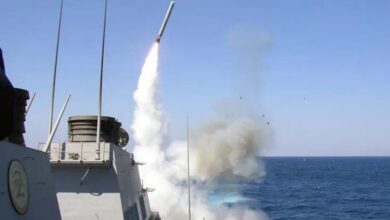
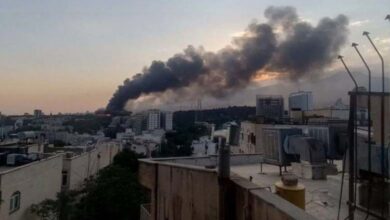
As the bombardment carried out by U.S. and Israeli forces against Iran continues since late February, Moscow has adopted a cautious and restrained approach, limiting itself to verbal condemnations and statements of protest without becoming directly involved in the military confrontations. This stance reflects the fact that the Russian leadership, headed by President Vladimir Putin, remains fully focused on the war in Ukraine. At the same time, it believes that the conflict involving Iran could serve Russia’s strategic and economic interests.
-
Could the confrontation between Iran and the United States turn into a war of attrition benefiting China and Russia?
-
A challenge in African waters: China, Russia and Iran launch naval drills
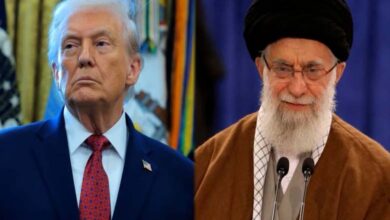
Putin expressed his dissatisfaction with the attack on Iran and offered condolences to Iranian President Massoud Pezeshkian following the death of Supreme Leader Ayatollah Ali Khamenei, describing the developments as “a blatant violation of international law and humanitarian norms.” In practice, however, Moscow has taken no concrete military steps to support its regional ally, reflecting the Kremlin’s awareness of the limits of its capabilities and its direct influence in confronting the United States and Israel.
Analysts believe that Russia hopes the war will lead to an increase in its oil exports. Disruptions in the Strait of Hormuz and interruptions in tanker traffic have contributed to rising global energy prices. The conflict could therefore provide Moscow with additional financial resources that would allow it to finance its military operations in Ukraine and address its budget deficit, while Western pressure on the Russian economy continues.
-
Iran’s Fath-360 Missiles to Russia: Military Significance and Potential Impacts
-
U.S. Strikes Yemen… Russia Calls for Dialogue, and Iran Threatens
The Kremlin is also seeking to exploit the crisis strategically by diverting Western attention away from Ukraine, depleting NATO weapons stockpiles, and limiting Washington’s ability to provide substantial military assistance to Kyiv. Moscow maintains that its objective is to reduce tensions in the Middle East while safeguarding its economic and political interests, without directly exposing itself through limited military options.
Since the outbreak of the war, the Kremlin has described the U.S. and Israeli strikes as “unjustified hostile acts against a sovereign state,” warning that continued escalation could worsen the regional situation and affect international security. Putin has also held discussions with leaders of Gulf countries as part of Moscow’s efforts to strengthen relations with these states, which are key trading partners for Russia in the energy sector and within the OPEC+ alliance that influences global oil prices.
-
Secret Turkish Deals with Russia and Iran Accelerated al-Assad’s fall
-
Iran and Russia: A ‘Fragile’ Partnership at Risk of the ‘Wedge of Discord’
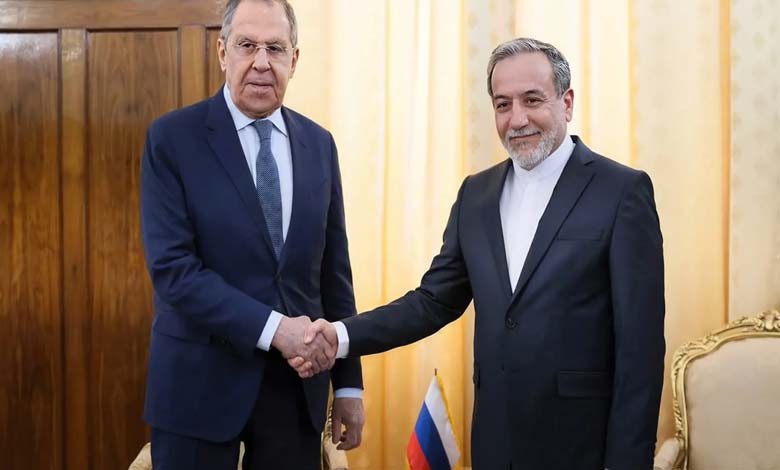
He also stated that he would convey Gulf concerns regarding the impact of attacks on energy infrastructure, emphasizing Russia’s commitment to maintaining regional stability and reducing risks to civilians. Russian Foreign Minister Sergey Lavrov likewise stressed the priority of protecting civilian infrastructure and preventing the expansion of damage across the region.
Experts note that Russia’s relationship with Iran has always been characterized by pragmatism. The two countries share strategic interests, but they also compete for influence in the Middle East and the South Caucasus. During the Cold War, Russian-Iranian relations experienced significant tensions before gradually improving after the collapse of the Soviet Union, including cooperation in the development of Iran’s first nuclear power plant in Bushehr.
-
Ukraine Demands Liquidation of Iranian Arms Factories to Prevent Arming Russia
-
Russia and Iran expressed their concerns about Syrian and Libyan fighters in Nagorno-Karabakh
When the Syrian civil war erupted in 2011, Russia and Iran cooperated in supporting the Syrian government. However, Moscow’s gains remained limited, reflecting the complex nature of their relationship, which is based more on shared interests than on absolute loyalty. In recent years, Iran supplied Russia with Shahed drones, reflecting tactical military cooperation without extending to direct support in response to the recent attacks on Tehran.
Moscow also maintains friendly relations with Israel, a factor that has raised concerns within the Iranian leadership. Tehran has often questioned Moscow’s intentions and fears that Russian interests could outweigh loyalty to its Iranian ally when necessary. Analysts indicate that Russia has not received any formal request from Tehran for direct military assistance. The intelligence information provided appears to be limited to data enabling Iran to track U.S. and Israeli military assets, without directing how such information should be used.
-
Intense Iranian attacks on Gulf countries in the early hours of dawn
-
Aircraft from the Vietnam War era: Iran’s air force as a strategic weakness
Despite both internal and external criticism, experts believe Russia continues to pursue its interests with a cautious and calculated approach. The war involving Iran is seen as an opportunity to strengthen its position in global energy markets and indirectly increase its regional influence, while avoiding direct confrontation with the United States or its allies.
Sam Greene, a professor at King’s College London, notes that the potential loss of allies such as Khamenei or Assad does not necessarily mean a decline in Putin’s influence or authority. According to him, the Russian president carefully balances economic and strategic interests.
-
The war against Iran: a conflict aimed at shaping the future of the global system
-
Charles de Gaulle heads to the Mediterranean… supporting allies and containing escalation risks in the region
At the same time, the ongoing war in the Middle East has prompted countries such as China, India, and Turkey to reconsider their imports of oil and gas. This shift reflects Moscow’s ability to benefit from the conflict by expanding its share of global energy markets while ensuring the continuation of crucial financial revenues to support its military operations and domestic economy.
Meanwhile, the use of Patriot missiles by the United States to counter Iranian attacks has contributed to the depletion of American defense stockpiles. This situation could give Russia additional leverage in international negotiations and redirect Washington’s strategic focus toward the Middle East at the expense of Ukraine, a development that the Kremlin considers beneficial.
-
Emergency bags and escape plans: how Iranians are preparing for a possible attack
-
Iran war: the U.S. bet on the Kurds carries significant risks
Strategically, Moscow appears determined to maintain a delicate balance between indirectly supporting Iran and preserving its relations with regional and Western powers. This approach ensures the continuation of its economic and political influence without being drawn into an open confrontation that could prove costly. In this sense, the Iranian conflict represents an opportunity for Russia to expand its economic and strategic gains while managing risks in a pragmatic manner.
Ultimately, the U.S.-Israeli war against Iran constitutes a significant test for Russia’s Middle East policy. Moscow demonstrates its ability to exploit crises to advance its interests without providing direct military support, while carefully balancing economic and strategic priorities. As the conflict continues, the Kremlin’s greatest challenge will be maintaining relations with all parties and maximizing its benefits without becoming involved in an open confrontation that could threaten its domestic and external interests.
-
Bomb Diplomacy: The Douhet Strategy and Washington’s Options on Iran
-
Five Defensive Layers: How Iran Is Preparing for a Potential War
-
Russia clarifies the nature of its drills with Iran amid rising tensions with the United States