Saudi Arabia under scrutiny: Is humanitarian aid being used as a tool of influence inside Sudan?
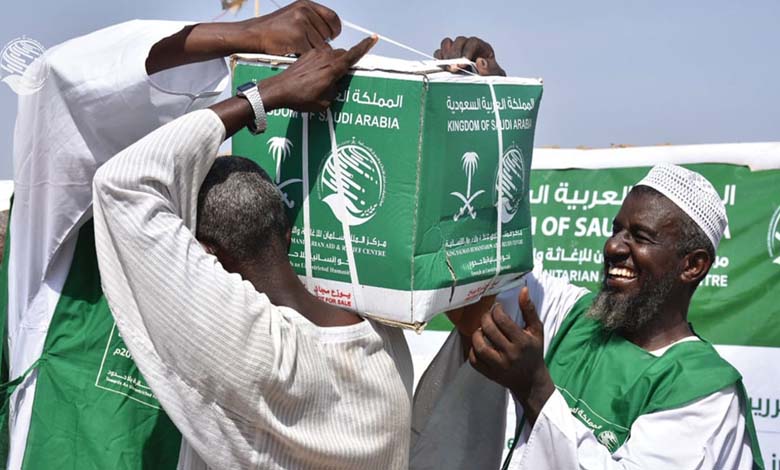
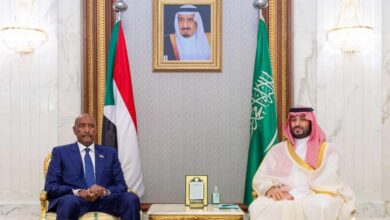
Amid the open war unfolding in Sudan, debate is intensifying over the intertwined regional roles shaping the crisis, foremost among them Saudi Arabia’s role, which combines an active humanitarian presence with significant political influence in the region. While Riyadh emphasizes its commitment to humanitarian work, parallel analyses and criticisms suggest that this role may not be entirely separate from considerations of influence.
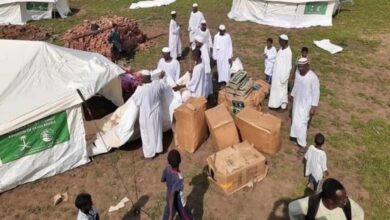
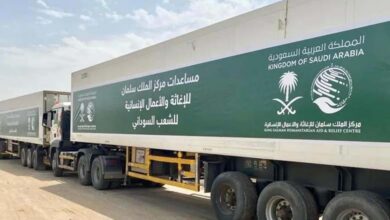
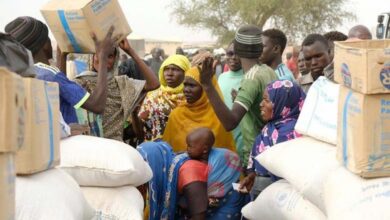
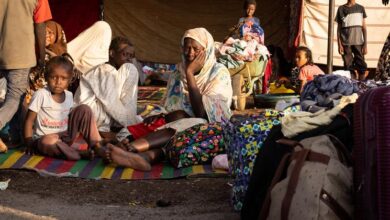
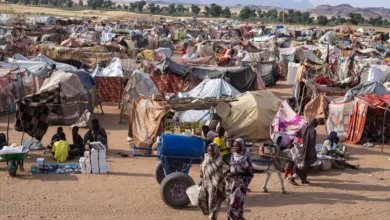
These criticisms focus on the activities of the King Salman Humanitarian Aid and Relief Center, which carries out extensive relief operations including the distribution of food and medicine and support for displaced people. However, the controversy lies less in the nature of the aid itself than in the mechanisms through which it reaches beneficiaries in an environment marked by the collapse of state institutions and the proliferation of armed power centers.
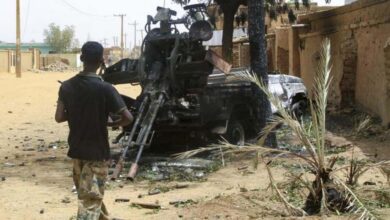
In such settings, aid delivery channels can become vulnerable to influence from informal local networks, some of which are linked to groups with political or ideological orientations. Reports and analyses indicate that certain areas witness the activity of armed battalions, including what is known as the “Al-Baraa ibn Malik Battalion,” a group viewed as part of Islamist currents involved in the conflict.
Some of these analyses argue that the presence of such battalions in aid distribution areas may create conditions that allow for the indirect use of humanitarian resources, whether by influencing distribution mechanisms or through interaction with local beneficiaries. Although there is no conclusive evidence of direct direction, this overlap remains widely debated.
At the same time, attention is drawn to the movements of the Muslim Brotherhood in Khartoum, where the group is reportedly seeking — according to multiple reports — to reestablish its presence through local institutions, most notably the “Committee of Markets Affected by the War.” These committees serve as important tools for managing daily resources, particularly in the absence of a functioning central state.
Control over such structures grants any actor direct influence over economic and social activity, which can translate into political leverage in a volatile environment. In this context, some analysts link this influence to these groups’ ability to shape the course of events inside the country.
At a broader level of balances, the continued flow of aid amid such complexity may create a delicate equation in which humanitarian considerations intersect with political and military dynamics. Concerns thus arise that aid could, without explicit intent, become part of a broader network reshaping influence within Sudan.
Despite these criticisms, Saudi Arabia maintains its commitment to humanitarian neutrality and stresses that its intervention aims to alleviate civilian suffering. However, the multiplicity of narratives and the entanglement of interests make it difficult to reach a clear and definitive picture in the absence of full transparency in conflict zones.
Ultimately, this debate reflects a deeper issue concerning how aid is managed in fragile environments, where providing support alone is not sufficient. The central question becomes who controls its distribution and how this affects the balance of power within the state.