Seven Nuts Rich in Healthy Fats That Protect Your Heart
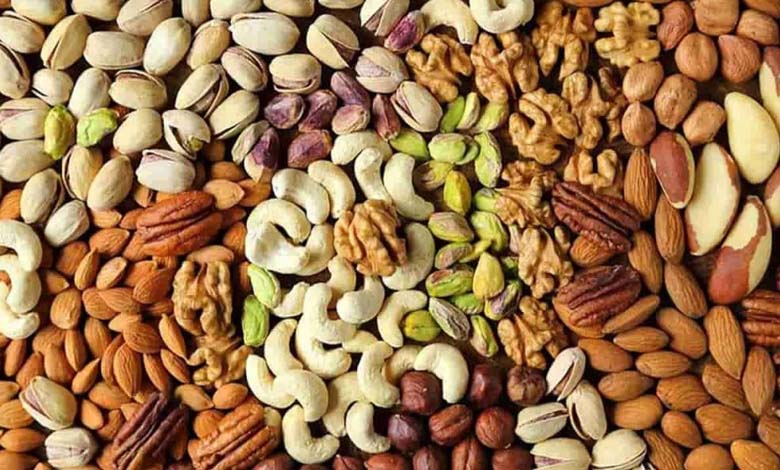
Cardiovascular diseases remain one of the leading causes of mortality worldwide. In this context, nutrition plays a decisive role in preventing risk factors such as high cholesterol, hypertension, and chronic inflammation. Among the most studied cardioprotective foods are nuts, often described as nutritional powerhouses.
Rich in unsaturated fats, fiber, antioxidants, and essential micronutrients, nuts are central components of the Mediterranean diet and other dietary patterns associated with cardiovascular benefits. Contrary to common misconceptions, not all fats are harmful. Monounsaturated and polyunsaturated fatty acids found in nuts support cardiovascular health when they replace saturated fats in the diet.
Here are seven nuts particularly beneficial for heart health.
-
Nuts: The Secret to Health and Fitness Despite Their High Calorie Content
-
Dried Nuts that Naturally Lower Uric Acid
Almonds
Almonds are rich in monounsaturated fatty acids, similar to those found in olive oil. They also contain vitamin E, a powerful antioxidant that protects cell membranes from oxidative stress.
Regular almond consumption has been shown to reduce LDL cholesterol levels and improve overall lipid profiles. Their fiber content also supports blood sugar regulation, an important factor in cardiovascular prevention among individuals with insulin resistance.
Walnuts
Walnuts stand out for their high content of plant-based omega-3 fatty acids, particularly alpha-linolenic acid. These lipids play a key role in reducing inflammation and protecting arterial walls.
-
Peanuts “boost your mood”… and other benefits
-
Nuts not recommended to be consumed raw… Contain toxic substances
Research has linked regular walnut consumption to a reduced risk of coronary heart disease. They also improve endothelial function, which is essential for vascular flexibility and overall circulatory health.
Hazelnuts
Hazelnuts are rich in monounsaturated fats and antioxidants, including vitamin E. Moderate consumption may contribute to lowering total cholesterol and improving the LDL to HDL ratio.
They also provide magnesium, a mineral involved in blood pressure regulation and proper cardiac muscle contraction.
Pistachios
Pistachios contain a balanced combination of unsaturated fats, plant proteins, and phytosterols. Phytosterols help reduce intestinal cholesterol absorption.
Some studies suggest that regular pistachio consumption may improve lipid markers and lower systolic blood pressure. They are also rich in potassium, which supports blood pressure balance.
Cashews
Cashews provide monounsaturated and polyunsaturated fats, along with copper and magnesium. Although slightly higher in carbohydrates than some other nuts, their fat profile remains beneficial for cardiovascular health.
Moderate intake may help improve HDL cholesterol levels, contributing to arterial protection.
-
What Happens to Your Body When You Drink Coconut Water Daily?
-
Warnings About Children’s Consumption of Almond and Soy Beverages
Brazil Nuts
Brazil nuts are an exceptional source of selenium, a trace element with strong antioxidant properties. Selenium helps protect against oxidative stress, which plays a role in atherosclerosis.
They also contain heart-healthy unsaturated fats. However, due to their high selenium content, consumption should remain moderate to avoid excessive intake.
Macadamia Nuts
Macadamia nuts are particularly rich in monounsaturated fatty acids. Despite their high caloric density, they can improve lipid profiles when replacing saturated fat sources.
Some research indicates that controlled consumption may reduce LDL cholesterol without significant weight gain within a balanced diet.
-
How to balance proteins, carbohydrates, and fats on a daily basis
-
Is it recommended to eat papaya at night? Nutritional analysis, digestion, and eating habits
Mechanisms of Cardiovascular Protection
Nuts exert cardioprotective effects through multiple complementary mechanisms. Unsaturated fats help reduce LDL cholesterol and maintain arterial elasticity. Dietary fiber supports lipid metabolism regulation. Antioxidants limit oxidative damage to vascular walls.
Their satiating effect may also help control overall caloric intake, indirectly supporting healthy weight maintenance, a key factor in heart disease prevention.
Recommendations and Moderation
Despite their benefits, nuts are energy-dense. A moderate daily portion, typically a small handful, is sufficient to obtain protective effects without excessive calorie intake.
They are best consumed plain, without added salt or sugar, to preserve their nutritional value.
Almonds, walnuts, hazelnuts, pistachios, cashews, Brazil nuts, and macadamia nuts rank among the most heart-friendly sources of healthy fats. When incorporated into a balanced and varied diet, they help improve lipid profiles, reduce inflammation, and support vascular health.
Cardiovascular protection, however, relies on a comprehensive approach that includes regular physical activity, balanced nutrition, and appropriate medical monitoring. Nuts represent a valuable nutritional asset, but they function most effectively as part of a broader preventive strategy.