Sudan at the heart of regional polarization: what does the announcement by Islamists of their readiness to fight alongside Iran mean?
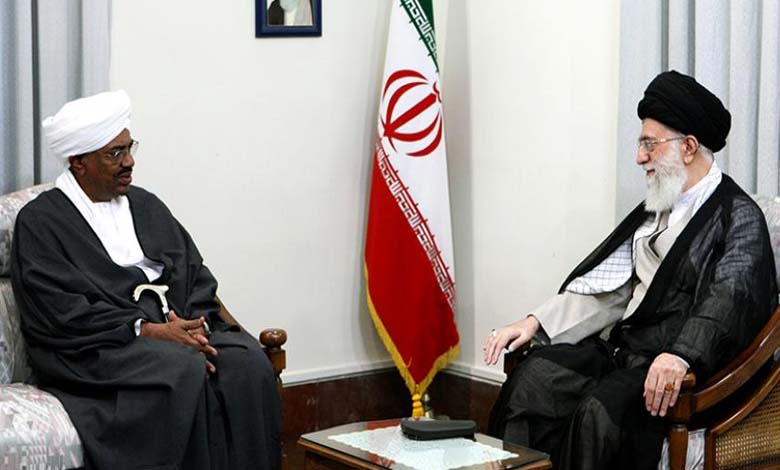
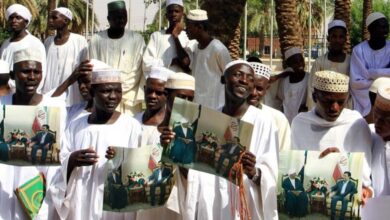
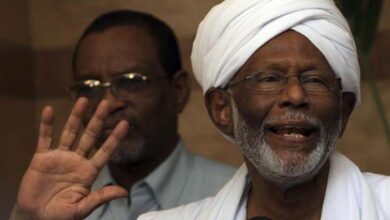
A video recording showing a leader from the Sudanese Islamist current declaring support for Iran and the readiness of Islamist groups to fight alongside it has sparked a wide wave of political and media debate about the direction of the conflict in Sudan. The statement comes at a time when the country is experiencing one of the most dangerous phases in its recent history, as the war that has been ongoing since 2023 has led to the weakening of state institutions and an increase in external interference in Sudan’s internal affairs.
-
Assassination of Chazali Khidr Abdelkader Reveals Arms and Funding Conflicts within the Sudanese Army
-
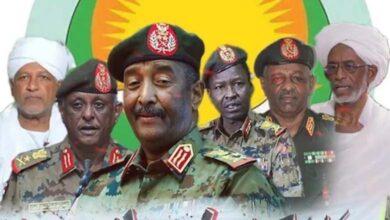
The Movements of the Sudanese Army and the Democratic Bloc Amid the Influence of the Muslim Brotherhood
The conflict between the Sudanese army and the Rapid Support Forces is no longer merely an internal dispute. It has become part of a complex regional equation. Each side in the conflict seeks political or military backing from abroad, gradually turning Sudan into a field of indirect competition between regional and international powers. In this context, statements supportive of Iran can be understood as an attempt by certain currents within the pro-army camp to build external alliances that could strengthen their position in the war.
The Islamist current in Sudan has a long history of relations with various regional actors, including Iran, Turkey, and certain Islamist movements across the region. During the years of former president Omar al-Bashir’s rule, these relationships played an important role in Sudanese foreign policy. However, they declined after the political transformations the country experienced from 2019 onward. The current war has reopened the door to a possible reconfiguration of these relationships, particularly as Sudan faces increasing international isolation.
-
Power struggle between the Sudanese army and the Muslim Brotherhood: rising political tensions
-
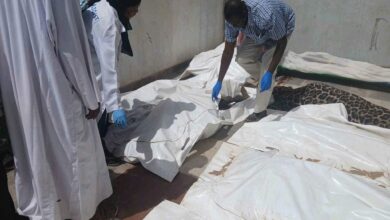
What happened in Al-Jazirah State: an extensive investigation documents “atrocious crimes” by the Sudanese army
The declaration of readiness to fight alongside Iran carries implications that extend beyond Sudan’s borders. It suggests the possibility that Sudanese groups could become involved in a broader network of regional alliances, potentially placing the country at the center of polarization between rival axes in the Middle East. This prospect raises concerns about Sudan turning into a proxy battlefield, where regional powers use local actors to pursue their strategic interests.
Sudan’s geographic position gives this development additional significance. The country borders the Red Sea, one of the world’s most important maritime routes, and lies near regions witnessing growing international competition, such as the Horn of Africa and the Gulf. Consequently, any change in Sudan’s political or military alliances could influence regional security balances.
-
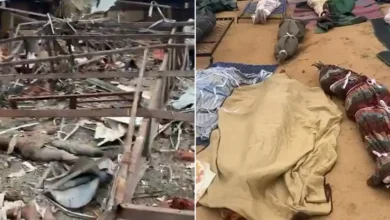
The Sudanese Army: From National Institution to Killing Machine – Reading the Massacres of El-Fasher
-
The Sudanese Army Distributes Expired Medicines: A New Health Crime Threatening Civilian Lives
Within Sudan itself, these statements come at a time when concerns about the continuation of the war and its humanitarian consequences are intensifying. Millions of Sudanese have been displaced from their homes, the economy is suffering a severe collapse, and prospects for a political settlement appear distant as long as fighting continues. Drawing the country into regional bloc rivalries could further complicate the crisis and make a political solution more difficult.
These statements also reflect a broader struggle over the future of the Sudanese state. Some forces seek to rebuild the political system on civilian and democratic foundations, while others aim to preserve a greater role for the military institution or for ideological currents that were influential in the past. The current war has become a battleground between these two visions.
-
The Sudanese Army in El-Fasher: When the Guardian Becomes Executioner
-
The Sudanese Army and the Islamic Movement: An Alliance Crumbling in the Age of Political Bargains
International powers are also closely monitoring developments in Sudan. The United States, the European Union, and the United Nations have repeatedly expressed concern about the continuation of the war and the humanitarian violations associated with it. At the same time, several regional states are attempting to safeguard their interests in the Red Sea and the Horn of Africa, further complicating the overall landscape.
In this context, statements supportive of Iran may serve as a political message directed at multiple actors, both inside and outside Sudan. They may reflect an attempt to demonstrate the existence of strong regional backing, or a strategy aimed at exerting pressure on other parties in the conflict by signaling the possibility of forming new alliances.
-
Between Deception and Failure: How the Sudanese Army Manufactures Illusory Victories
-
Report: The Sudanese Army’s Media Disinformation… Manufacturing Illusory Victories to Conceal Battlefield Losses
However, these signals also carry significant risks. Sudan already suffers from deep political and social divisions, and any sharp alignment within regional rivalries could intensify these fractures. Moreover, the country will require substantial international support for reconstruction once the war ends, and such support could be affected by shifts in its foreign policy orientation.
Ultimately, the debate surrounding the Islamist leader’s statements reflects the complex reality Sudan is facing today. The internal war has opened the door for the return of political forces that had receded in recent years, while also reviving longstanding questions about Sudan’s relationship with regional power alignments. As statements and speculation continue to grow, the country’s future will largely depend on the ability of its political and military actors to end the war and avoid being drawn into regional conflicts that could further deepen the suffering of its people.
-
The Rise of the Sudanese Army’s Disinformation Narrative: Fabricated Operations and Inflated Illusory Victories
-
Between Sudanese Army Statements and Rapid Support Forces Denials: What Really Happened in Nyala?