Targeting the Al-Bara ibn Malik Brigade… a step in the battle to dismantle the influence of the Islamist current in Sudan
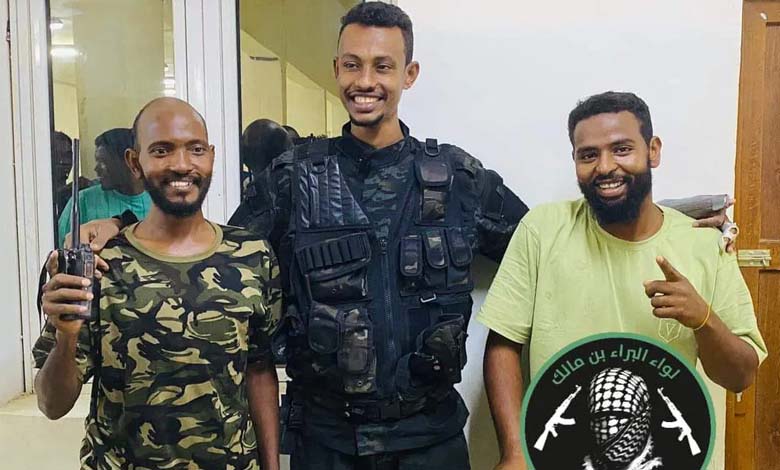
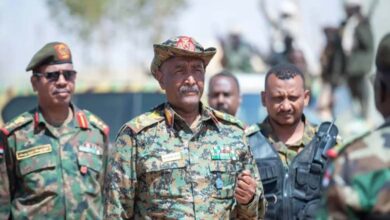
Within the context of the ongoing struggle for power in Sudan, Abdel Fattah al-Burhan’s decision to dissolve the Al-Bara ibn Malik Brigade appears to go beyond immediate military considerations and reflects a clear political direction aimed at reducing the influence of the Islamist current within the state. This step is part of a long-standing confrontation between the military establishment and the Islamist movement, which has been a central actor in Sudan’s political landscape for decades.
The first dimension of this decision relates to the nature of the relationship between the army and the Islamist current. Since the era of former president Omar al-Bashir, a complex partnership developed between the two sides: the army benefited from the political and organizational support of Islamists, while they, in turn, gained influence within state institutions. However, this partnership was never fully balanced and was marked by tensions and underlying rivalries.
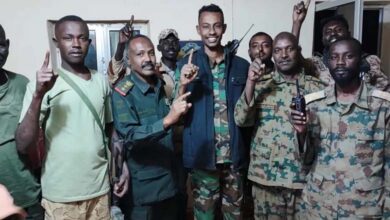
With the fall of al-Bashir, this relationship entered a new phase, during which the army sought to redefine its position while the Islamist movement attempted to preserve its influence through various means. With the outbreak of war, these forces found an opportunity to re-emerge by supporting the army, particularly through formations such as the Al-Bara ibn Malik Brigade.
This renewed presence, however, raised concerns within the military leadership, which perceived it as an attempt to re-establish influence from within the institution. In this light, the decision to dissolve the brigade can be understood as part of a strategy aimed at preventing Islamists from regaining positions of influence.
The second dimension concerns the political messages conveyed by this decision. Targeting a brigade that carries clear Islamist symbolism reflects a desire to send a signal that the next phase will not allow the Islamist current to return as a dominant force. This message is directed not only domestically but also externally, as international actors closely monitor developments in Sudan.
The third dimension lies in the attempt to reshape political alliances. Weakening the Islamist current may create space for other forces, whether civilian or military, to play a greater role in the upcoming phase. This could assist al-Burhan in building new alliances more aligned with his vision of power.
However, this move may also escalate tensions with the Islamist current, which could interpret it as a direct targeting and a threat to its political existence. Such escalation may take various forms, from political protests to reorganization within new structures.
Moreover, dismantling Islamist influence is not an easy task, given its deep roots in society and in certain state institutions. The success of this strategy will therefore require gradual steps and careful management of balances.
At the same time, al-Burhan may seek to present this step as part of a broader reform project aimed at building a civilian state, free from the dominance of any single current. This narrative may gain support from some actors, yet it will remain subject to debate, especially in the absence of a clear vision for the next phase.
Ultimately, the decision to dissolve the Al-Bara ibn Malik Brigade reflects profound transformations in the nature of the political conflict in Sudan, which no longer revolves solely around competition between traditional forces but now involves a redefinition of the role of the Islamist current within the state.