Tehran confirms while Grossi denies targeting of Iranian nuclear sites

Tehran’s ambassador to the International Atomic Energy Agency confirms that the Natanz site was attacked, while Rafael Grossi states that no increase in radiation levels beyond natural norms has been detected in neighboring countries.
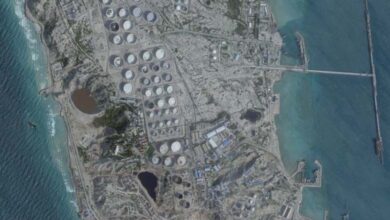
Reza Najafi, Tehran’s ambassador to the United Nations’ International Atomic Energy Agency (IAEA), said on Monday that the Natanz nuclear facility had been attacked during Israeli and U.S. military operations against the Islamic Republic.
-
Iran announces upcoming visit by IAEA inspectors within two weeks
-
IAEA Announces Departure of Inspectors from Iran
Speaking to reporters at a meeting of the Agency’s Board of Governors, he said: “They once again attacked Iran’s peaceful nuclear facilities yesterday.” When asked which facilities had been targeted, he replied: “Natanz.”
For his part, IAEA Director General Rafael Mariano Grossi stated that no increase in radiation levels above natural background levels had been recorded in countries neighboring Iran following the strikes carried out by the United States and Israel.
His remarks came during the opening on Monday of the Agency’s emergency Board of Governors meeting regarding the U.S.-Israeli attacks on Iran.
-
Iranian President Approves Suspension of Cooperation with IAEA
-
“Iran’s Nuclear Program”: IAEA Condemnation and Tehran’s Response
Grossi noted that the Agency was closely monitoring developments in Iran and the region, adding: “No increase in radiation levels beyond natural norms has been recorded so far in neighboring countries.”
He further stated: “There are no indications that nuclear facilities in Iran have been damaged or attacked, including the Bushehr nuclear power plant, the Tehran research reactor, or any of the nuclear fuel cycle facilities.”
He emphasized that efforts to contact Iran’s nuclear regulatory authority were ongoing, but no response had yet been received.
-
Iran boosts uranium enrichment in response to IAEA pressure
-
IAEA calls on Tehran to put relations back on track
Grossi recalled that “Iran and a number of other countries in the region” that have been attacked operate nuclear power plants, which heightens nuclear safety risks, stressing that the Agency recommends “the utmost restraint in all military operations.”
He underlined that armed attacks against nuclear facilities should not occur under any circumstances, as they could lead to a serious radioactive release within and beyond the borders of the targeted state.
He concluded by stating that the solution lies not in the use of force, but in diplomacy and negotiations.
-
IAEA accuses Iran of increasing uranium enrichment
-
Nuclear: Iran announces removal of two IAEA surveillance cameras
He warned that the current situation is “very concerning” and that the possibility of a radiological release with serious consequences cannot be ruled out, including the potential evacuation of large areas equivalent to major cities or even larger.
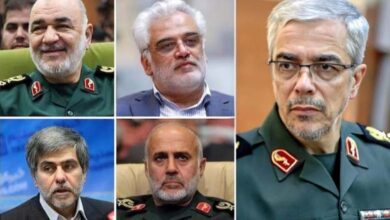
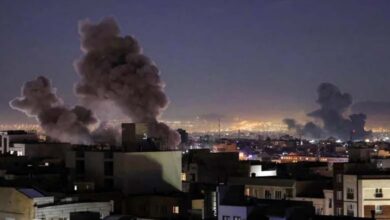
Since Saturday morning, Israel and the United States have been carrying out a military offensive against Iran that has killed hundreds of people, including Supreme Leader Ali Khamenei and security officials.
Tehran has responded by launching missile barrages and drones toward Israel and what it describes as “U.S. bases in regional countries,” some of which have caused damage to civilian property. These attacks were condemned by the Gulf Cooperation Council states, which called for their cessation.
-
Iran threatens International Atomic Energy Agency (IAEA)
-
US to Iran: Grant Inspectors Access to Workshop or Face Action at IAEA
Iran is facing this offensive despite having made progress in negotiations with the United States.
Washington and Tel Aviv accuse Tehran of maintaining nuclear and missile programs that threaten Israel and regional allies of the United States, while Iran maintains that its nuclear program is peaceful and that it does not seek to produce nuclear weapons.
Israel and the United States had previously attacked Iranian nuclear sites during a twelve-day war.
-
IAEA deputy chief visits Iran for ”Routine” reasons
-
Iran refuses to give nuclear site images to IAEA