The European Union draws red lines in the path of the humanitarian truce in Sudan
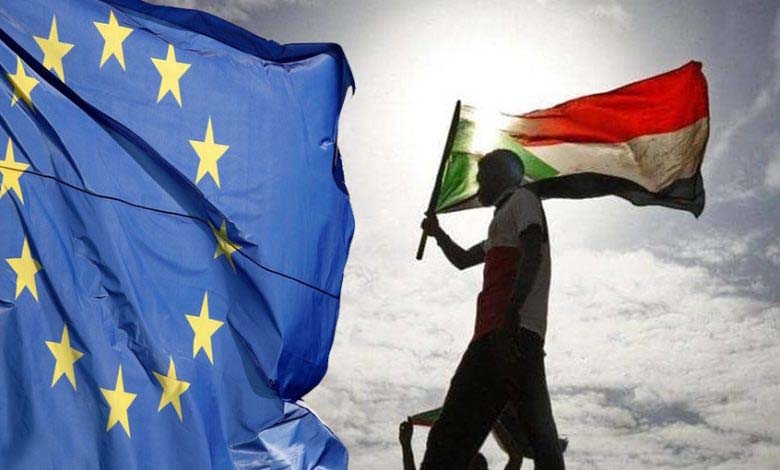
As international pressure intensifies to bring conflicts in crisis regions to an end, the European Union has begun to set out a clear framework for its involvement in the anticipated political process following the announcement of the humanitarian truce. This step comes within the context of close coordination with the African Union, with the aim of identifying the actors capable of participating responsibly in the forthcoming political track.
-
Sudan After the Truce: European Lists Redefine the Rules of Participation
-
Sudan and the European Exclusion Lists: Behind the Decision and Its Potential Implications
Diplomatic sources have announced that the European Union has prepared lists identifying the entities to be excluded from the political process. These lists are based on specific criteria, including the actors’ history in the conflict, their organizational affiliations, and their record of human rights violations. The sources stressed that the objective is not to punish the parties concerned, but to ensure that the political process remains free from the influence of armed or terrorist groups that could undermine stability.
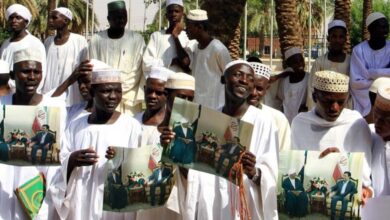
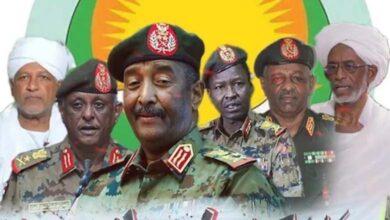
According to available information, the lists include entities linked to the Muslim Brotherhood, which are considered to have a history of involvement in political and military conflicts that could threaten the course of the truce. By contrast, certain civilian entities allied with the main security forces have been exempted, in view of their role in maintaining security and contributing to local stability, as indicated in documents issued by the European Union and the African Union.
-
Dismantling the Muslim Brotherhood’s Influence: A Crucial Condition to Stop the Bleeding of War in Sudan
-
When the state is reduced to the gun: how military insistence is driving Sudan toward an existential deadlock
The process is being carried out under the supervision of the African Union, which acts as a neutral guarantor of the political track. African officials have confirmed that direct coordination with the European Union ensures the availability of accurate information and the identification of eligible participants based on a comprehensive assessment of each actor, including their conduct during the conflict and their commitment to international law and human rights.
In compiling their lists, the European Union and the African Union relied on a combination of human rights data and international intelligence information. Data were collected from local and international human rights organizations, as well as intelligence reports on armed and civilian actors, with the aim of ensuring that the political process remains free from any negative influence that could jeopardize the truce.
-
The illusion of military victory: why Sudan is paying the price for the absence of politics
-
Sudan between the logic of the state and the logic of arms: how military politics becomes a permanent threat to society
These lists are expected to provoke mixed reactions, particularly from excluded entities or those linked to Islamist movements. Future actions by these groups may include calls to reconsider the exclusion lists or the launch of media campaigns aimed at influencing local and international public opinion.
At the same time, the Islamic movement has opened membership registration through its official website without restrictions, seeking to expand its political and social base. This move comes at a sensitive moment, as the European Union is working to determine which actors are officially eligible to participate in the political process.
-
With the continuation of the conflict, what about the role of the international community in easing tensions in Sudan?
-
The situation is worsening in Sudan… What is happening there?
This European-African approach highlights a clear focus on political and security stability, with the establishment of explicit red lines to prevent the involvement of unqualified actors in the political process. Meanwhile, political players such as the Islamic movement continue their efforts to broaden their influence and build a wide popular base, further complicating the political landscape and making close monitoring of future developments essential.
-
After the ceasefire ends, clashes return to the Sudanese capital following the redeployment of forces
-
How do Washington sanctions impact the Sudanese conflict?