The potential role of garlic as an alternative to mouthwash
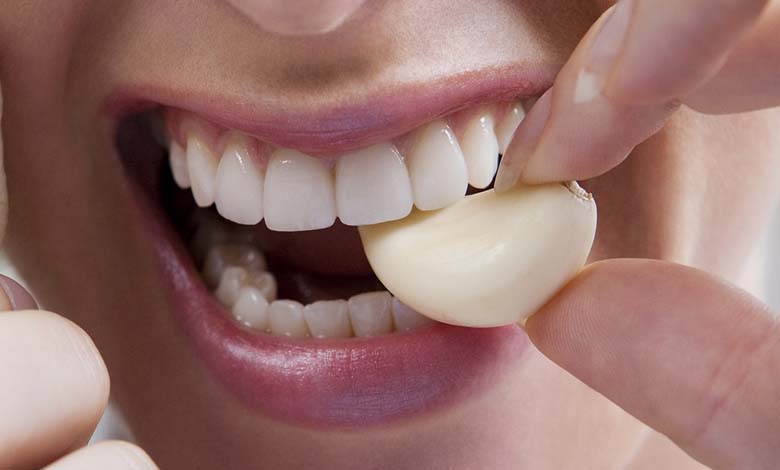
For centuries, garlic (Allium sativum) has been used in various cultures both as a food and a traditional remedy. Its medicinal properties, particularly its antimicrobial, anti-inflammatory, and antioxidant effects, have been extensively studied. In oral hygiene, an important question arises: could garlic become a natural substitute for conventional mouthwash?
The antimicrobial properties of garlic
One of the most active components of garlic is allicin, a sulfur-containing compound produced when garlic is crushed or chopped. Allicin exhibits antibacterial, antifungal, and antiviral properties that have been documented in numerous scientific studies. Some research suggests that allicin can inhibit the growth of bacteria responsible for dental plaque and bad breath, such as Streptococcus mutans and Porphyromonas gingivalis.
In theory, this means that garlic could reduce plaque formation, prevent gum inflammation, and limit the progression of mild to moderate periodontal diseases. These effects are similar to those sought by some commercial mouthwashes containing antimicrobial agents such as chlorhexidine or eucalyptol.
Anti-inflammatory and antioxidant benefits
Beyond its antibacterial properties, garlic also has anti-inflammatory and antioxidant effects that may support oral health. Gum inflammation is a key factor in gingivitis and periodontitis. Garlic compounds can reduce the production of pro-inflammatory cytokines, limiting irritation and promoting healing of oral tissues.
Moreover, garlic contains antioxidants that neutralize free radicals, thereby protecting the teeth and oral tissues from oxidative stress. This indirect protection is important for preventing premature aging of oral tissues and reducing the risk of cavities and infections.
Limitations and precautions
Despite these promising properties, using garlic as a complete substitute for mouthwash presents several limitations. First, garlic’s strong taste and odor may be unpleasant for daily use. Second, allicin is unstable and quickly loses its effectiveness after preparation. To achieve antimicrobial effects, garlic must be consumed or applied fresh, crushed, or chopped, which is not always practical.
Additionally, studies on garlic applied directly in the oral cavity remain limited. Most research focuses on specific extracts or preparations, and there is little strong clinical evidence regarding its long-term effectiveness in preventing tooth decay or gum disease.
A complementary approach rather than a replacement
Given its benefits and limitations, garlic could be used as a natural complement to oral hygiene rather than a sole replacement for mouthwash. It can be incorporated into a balanced diet or used in specific extract forms as part of dental care, always in combination with regular brushing and flossing.
It is important to remember that preventing oral diseases relies on several factors: mechanical cleaning of teeth, limiting sugar intake, regular dental visits, and, when appropriate, the use of suitable mouthwashes. Garlic can strengthen these measures but cannot fully replace them.
Garlic possesses promising properties that may contribute to oral hygiene, particularly through its antibacterial, anti-inflammatory, and antioxidant effects. However, practical limitations and the lack of large-scale clinical evidence mean that it cannot yet fully replace conventional mouthwash. Its use as a natural complement within a comprehensive oral care routine remains a reasonable and potentially beneficial approach.