The war against Iran: four possible scenarios for the end of the conflict
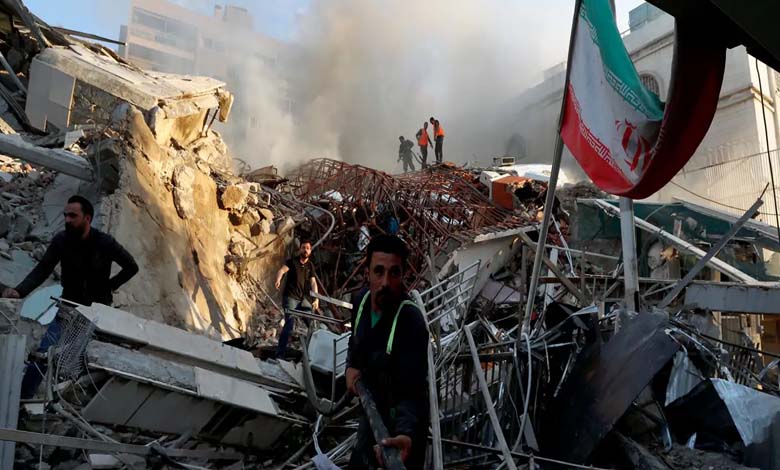
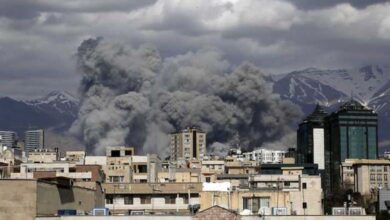
While the United States and Israel say they have crippled a large portion of Iran’s missile and naval capabilities, the scope of the fighting continues to expand. Tehran has launched attacks against several countries in the region, while Hezbollah fighters are clashing with Israeli forces in Lebanon. At the same time, commercial maritime traffic through the Strait of Hormuz has slowed significantly.
Meanwhile, uncertainty is growing due to contradictory statements by US President Donald Trump regarding the timeline and objectives of the war. He has suggested that the conflict could end soon, but has not provided details about the next step, stating simply: “I have a plan for everything.”
-
Iran tightens its grip on the streets and escalates nighttime bombardments on multiple fronts
-
Iran’s new supreme leader injured and staying in a heavily fortified location
A few hours later, Trump adopted a firmer tone, saying that the United States could already describe the operation as a “tremendous success,” while also indicating that it could be escalated further.
The declared objectives of the war are broad. Donald Trump stated that the goal is to ensure that Iran will not be able, for a very long time, to develop weapons capable of threatening the United States, Israel, or Washington’s allies.
The United States seeks to destroy Iran’s missile capabilities, weaken its naval forces, prevent it from building nuclear weapons, and dismantle the network of proxy groups supported by Tehran across the Middle East.
In light of these objectives, several possible scenarios for the end of the war have been outlined, according to the American magazine Newsweek.
-
The end of the Iran war has not yet come: Israel contradicts Trump’s expectations
-
Will Washington and Moscow strike a grand bargain: Iran in exchange for Ukraine?
Total victory: regime change
The most comprehensive outcome would be the collapse or replacement of the ruling regime in Iran. Some policymakers in Washington and Israel believe that changing Iran’s leadership is the only way to permanently eliminate the country’s nuclear ambitions and dismantle the regional network of armed groups supported by Tehran, including Hezbollah.
A new government in Tehran, particularly one more aligned with the West, could dramatically reshape the geopolitical balance in the Middle East.
However, regime change is also the most uncertain path. Even intensive military strikes could weaken the regime without necessarily toppling it, increasing the likelihood of a prolonged and unstable political transition rather than a clear strategic victory.
-
Iran war and munitions: $5.6 billion spent in the first two days, laser is the solution
-
Two dead and one injured after an Iranian cluster-warhead missile falls in central Israel
Declaring victory: destruction of nuclear and military capabilities
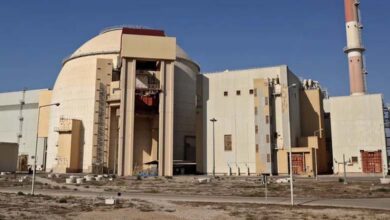
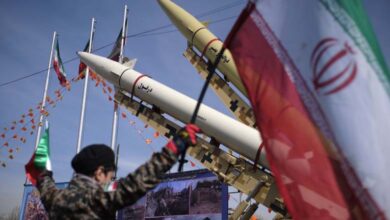
A narrower definition of victory would focus on weakening Iran rather than changing its political system. In this scenario, the primary objective would be to destroy Iran’s nuclear infrastructure, disable its missile arsenal and naval forces, and sever military ties between Tehran and its regional proxy network.
US and Israeli strikes have already targeted missile launch sites, military bases, and facilities believed to support Iran’s nuclear program.
The goal would be to reduce Iran’s ability to threaten US allies, attack ships in the Persian Gulf, or support armed groups across the region.
If Iran’s military capabilities and proxy networks are significantly weakened, Washington could declare victory while leaving the country’s political leadership in place, at least for the time being.
-
At the height of global focus on the Iran war, Zelensky travels 27 hours to the embattled east
-
Iran war: potential repercussions in Yemen place the Houthis between two pressures
Forcing a “weakened Iran” to negotiate
In this scenario, the war would ultimately push Iran toward negotiations. Rather than seeking regime change or a complete military defeat, Washington could use the pressure created by airstrikes and economic disruption to force Tehran to accept a new diplomatic agreement.
Donald Trump has long believed that maximum pressure, whether military, economic, or both, could compel Iran to accept stricter limits on its nuclear program, missile development, and regional activities.
Under this scenario, victory would not be achieved on the battlefield but through diplomacy. If Iran agrees to stricter nuclear restrictions, reduces its support for regional proxy groups, or accepts new security arrangements in the Gulf, the White House could present this outcome as a strategic victory achieved through the war.
-
Russia and China back Iran’s new leader as Washington and Tel Aviv issue threats
-
Russia gains economic and geopolitical advantages from the war against Iran
No clear victory
The possibility that the war may produce no decisive winner also remains. Instead of weakening Iran’s leadership, the conflict could strengthen it.
Iranian leaders might use the war to rally domestic support by portraying the United States and Israel as foreign aggressors.
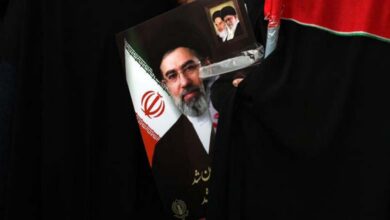
The appointment of the new supreme leader, Mojtaba Khamenei, as successor to his father has reinforced this dynamic. Mojtaba is considered more hardline than Ali Khamenei, who was killed on the first day of the war, increasing the likelihood that the regime could emerge from the conflict more confrontational toward the West.
-
Intense Iranian attacks on Gulf countries in the early hours of dawn
-
Iran after Khamenei: a disoriented regime and a silent struggle over the Supreme Leader
Rather than provoking unrest, military strikes could strengthen the government’s grip as the population rallies around its leadership.
In such a scenario, the United States could find itself trapped in a prolonged conflict without a decisive outcome.
Nevertheless, whatever the final outcome, Donald Trump is likely to declare victory.
-
Operation behind enemy lines: a U.S. plan to take control of Iran’s nuclear material
-
Latest news of the war against Iran: Israel attacks 400 targets in 24 hours