Two U.S. mine countermeasure ships spotted in Malaysia, far from the Strait of Hormuz
The sighting of two U.S. warships specialized in mine countermeasure operations in Malaysia has raised questions about the nature of their mission amid escalating tensions in the Middle East, particularly in the Strait of Hormuz.
The two U.S. Navy vessels, USS Tulsa and USS Santa Barbara, were seen docked at the North Butterworth container terminal in the Malaysian city of Penang, located about 3,500 miles from their usual area of operations in the Gulf, according to Business Insider.
A ship-spotting enthusiast posted photos of the two vessels on Sunday after capturing them in the Malaysian port. Their appearance there is unusual for ships that normally operate as part of the U.S. Navy’s Fifth Fleet, which is based in Bahrain. The reason for their presence far from their primary deployment area remains unclear, as neither the U.S. Central Command nor the U.S. Indo-Pacific Command has issued an official statement regarding the movement.
The two vessels are among three main U.S. ships equipped with advanced mine countermeasure units in the Middle East. The third vessel, USS Canberra, was last reported to be in the Persian Gulf in mid-January.
These ships belong to the Littoral Combat Ship class. They are not traditional minesweepers but are equipped with advanced mine detection and neutralization systems, including unmanned underwater vehicles, sophisticated sonar systems, and helicopters designed to detect naval explosives.
The U.S. mine countermeasure ships USS Tulsa and USS Santa Barbara in Malaysia
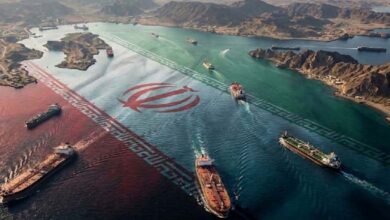
This development comes at a time of growing tensions in the Strait of Hormuz, as Iranian threats to close the vital maritime passage intensify. Approximately one-fifth of the world’s oil trade passes through this strategic waterway. Concerns have escalated following a series of attacks targeting commercial vessels in recent weeks, which disrupted navigation in the strait and led to a significant rise in oil prices.
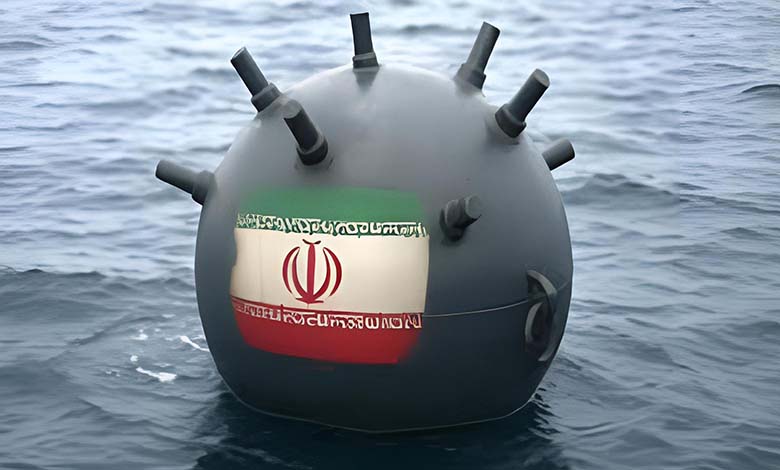
According to estimates by the U.S. Defense Intelligence Agency, Iran possesses an arsenal of more than 5,000 naval mines, including mines anchored to the seabed as well as floating mines or mines fixed to float at a specific depth.
U.S. intelligence sources confirm that Tehran has already begun deploying dozens of mines, a move that could pose a serious threat to international shipping and would require complex and dangerous mine-clearing operations that could take weeks to fully reopen the maritime corridor.
In another sign of escalating tensions, the United States announced last week that it had destroyed 16 small Iranian boats suspected of being used as platforms for laying mines near the strait. If Iran succeeds in deploying a large number of mines, clearing the shipping lane will require precise and prolonged efforts to ensure the safety of commercial vessels.
In this context, U.S. President Donald Trump called on several major powers — including China, France, Japan, South Korea, and the United Kingdom — through his platform Truth Social to contribute to protecting the maritime passage or to participate in mine-clearing operations.
The following day, the United Kingdom’s Energy Secretary, Ed Miliband, indicated that his country might consider sending drones to assist in detecting mines.
Meanwhile, Japan and Australia announced on Monday that they are not currently considering sending military equipment to the strait.
The U.S. Navy previously relied on four specialized Avenger-class minesweepers to secure navigation in the strait. However, these vessels were retired last year and replaced with littoral combat ships equipped with mine countermeasure units.
However, several military experts have expressed reservations about this move, noting that the combat effectiveness of these units has not yet been sufficiently tested and that the larger size of these ships may make maneuvering more difficult in mined waters.