U.S. warnings bring the Islamic State file in Libya back to the forefront amid fears of a silent return
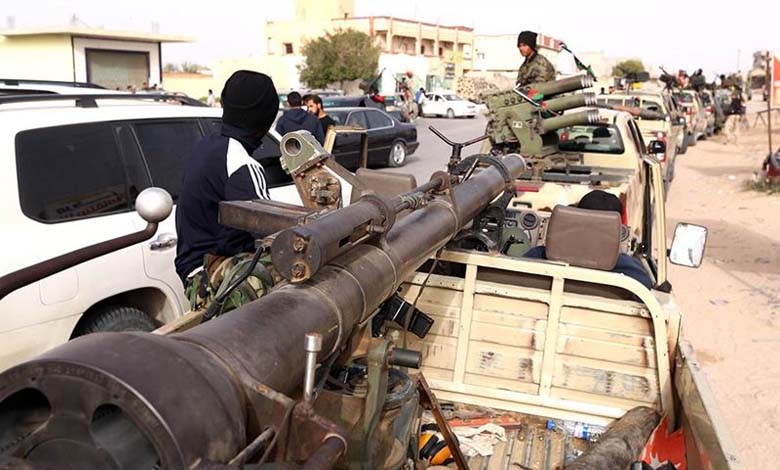
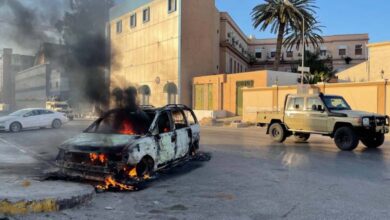
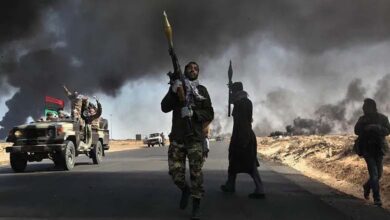
The issue of the “Islamic State” organization in Libya has once again imposed itself on the security landscape, amid rising international warnings about the group’s growing activity, after years of decline following the loss of its main strongholds in the city of Sirte.
These indicators are raising increasing concern within Libyan circles, particularly given the ongoing security fragility and political division that hinder the development of a unified counterterrorism strategy.
According to what was reported by the newspaper Asharq Al-Awsat, these warnings primarily came from the U.S. military command in Africa, United States Africa Command (AFRICOM), which stated through its media platforms that the organization has begun to resume its activities “quietly,” taking advantage of human trafficking networks and irregular migration routes within the country.
The data indicate that this activity no longer takes an overt form as in the past, but instead relies on the gradual rebuilding of cells, exploiting the security vacuums spread across southern Libyan regions. This reflects a shift in the group’s strategy toward long-term clandestine operations rather than direct territorial control.
The U.S. warning has also reignited debate within Libya about the possibility of the group’s return, as several former fighters from the “Al-Bunyan Al-Marsous” operation, which ended the presence of the “Islamic State” in Sirte in 2016, confirmed that the group’s threat never truly disappeared but remained latent and capable of resurfacing when favorable conditions arise.
These testimonies highlight that military strikes, despite their effectiveness in dismantling the organization’s visible structure, did not succeed in eliminating its dormant networks, which maintained a degree of readiness that allows for repositioning, especially amid weak security coordination between Libya’s rival parties.
Several security actors also agree that the continued political division between eastern and western Libya represents a decisive factor in the re-emergence of the threat, as it creates a permissive environment that the organization can exploit to reorganize its ranks and gradually reinsert itself into the security landscape.
Concerns are further reinforced by reports indicating links between the activity of the “Islamic State” in Libya and its extensions across the African Sahel region, where training camps and logistical ties with armed groups have been observed in countries such as Mali, Niger, and Burkina Faso. This points to the formation of a regional space open to the group’s movements.
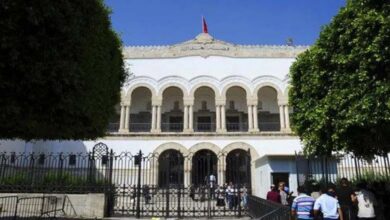
Among the worrying indicators is also what Tunisian authorities have announced regarding the return of several fighters previously involved with the organization, raising additional challenges related to cross-border movement and the potential reintegration of these individuals into extremist networks in Libya and the wider Maghreb region.
These developments reveal that the “Islamic State” organization is now adopting a strategy of “silent positioning,” based on exploiting political chaos and using informal networks rather than direct confrontation, making its detection more complex and increasing its medium-term threat.