Unexpected Benefits of Creatine for Women
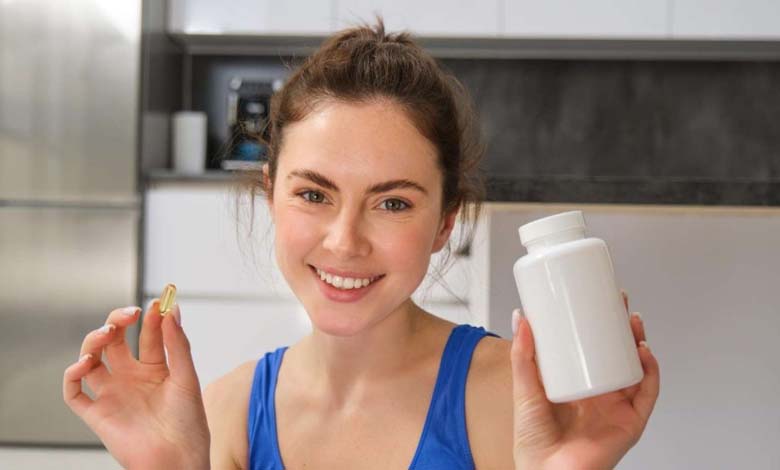
For a long time, creatine has been closely associated with male bodybuilding and high-intensity athletic performance. It has often been perceived as a supplement intended primarily for men or professional athletes. However, recent scientific research suggests that creatine may offer a wide range of unexpected benefits for women, extending far beyond muscle growth. These effects involve not only physical performance, but also metabolic health, cognitive function, and overall well-being across different stages of life.
-
Creatine: An Unexpected Ally for Women’s Memory and Focus?
-
A Sharp Rise in Memory and Concentration Difficulties Among Adults
Creatine plays a fundamental role in cellular energy production. It contributes to the regeneration of ATP, the main energy source used by cells, particularly during short and intense efforts. In women, this energy-supporting function is not limited to sports performance. It can also enhance daily functional capacity, improve exercise tolerance, and promote a general sense of vitality, especially during periods of fatigue or stress.
One often underestimated benefit of creatine for women is its role in preserving muscle mass. With aging and hormonal fluctuations, particularly the gradual decline in estrogen levels, women are more vulnerable to losses in muscle mass and strength. This decline can increase the risk of frailty, falls, and metabolic disorders. By supporting muscle energy reserves, creatine helps maintain functional strength, which is especially relevant for women in midlife and after menopause.
Contrary to common misconceptions, creatine does not necessarily cause undesirable weight gain in women. Any changes in body weight are generally related to improved intracellular hydration rather than an increase in body fat. When combined with appropriate physical activity, creatine may even support body recomposition by promoting a healthier balance between lean mass and fat mass.
The benefits of creatine are not limited to the body. The brain, a highly energy-demanding organ, also relies on creatine-dependent mechanisms. Some studies suggest that creatine may support cognitive functions such as memory, concentration, and resistance to mental fatigue. For women, these effects may be particularly valuable during periods of high cognitive demand, including academic studies, intense professional activity, or sleep deprivation.
-
What Is the Ideal Timing to Take Dietary Supplements?
-
Physical activity – When we talk to ourselves, the body also moves
Hormonal health represents another emerging area of interest. Although creatine is not a hormone, its influence on energy metabolism may indirectly affect hormonal balance. By improving exercise capacity and recovery, creatine helps create a more stable physiological environment, which may positively influence menstrual health and the management of physical stress.
Creatine may also play an indirect yet meaningful role in bone health. By enhancing muscle strength and the ability to engage in resistance-based activities, it contributes to the stimulation of bone mineral density, a major concern for women who face a higher risk of osteoporosis with age. This synergistic relationship between muscle and bone supports a comprehensive approach to functional aging prevention.
-
Study: “Hyperactivity” Medications May Improve Driving Skills
-
How Does Sleep Deprivation Affect Attention and Concentration?
Nevertheless, it is essential to adopt a balanced and informed perspective. The benefits of creatine for women depend on overall health status, lifestyle, and physical activity levels. It is neither a miracle solution nor a substitute for balanced nutrition, adequate sleep, and regular movement. Its potential value lies in its thoughtful integration into a healthy lifestyle framework.
In conclusion, creatine offers unexpected and promising benefits for women’s health, ranging from energy and muscle support to potential effects on cognitive function and overall well-being. Long confined to a narrow and sometimes misleading image, creatine now deserves to be considered from a broader, evidence-based perspective as a potential ally in women’s health across different stages of life.
-
How the Timing of Banana Consumption Influences Athletic Performance
-
Do Protein Shakes Really Help with Weight Loss?