US strikes on Venezuela and the arrest of Maduro: support, condemnation, and international mediation offers
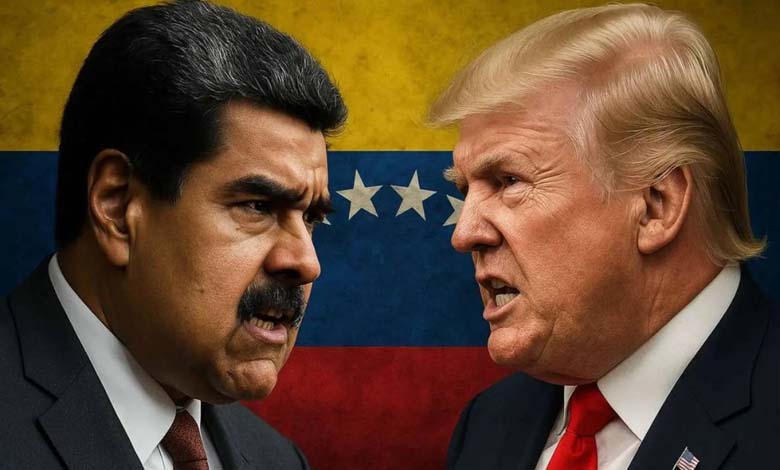
The announcement by the United States of military strikes in Venezuela, coupled with the arrest of President Nicolás Maduro and his transfer out of the country, triggered a wide range of international reactions, ranging from outright condemnation to calls for restraint and the opening of a diplomatic channel to prevent escalation.
-
Powerful explosions shake Caracas as Venezuela denounces U.S. attack
-
Trump Seizes Oil Tanker off Venezuela: Pressure on Maduro Intensifies
Russia
The Russian Ministry of Foreign Affairs expressed serious concern regarding reports of Maduro and his wife being forcibly removed from Venezuela, describing the action, if confirmed, as an “unacceptable violation of the sovereignty of an independent state.”
Moscow called for an immediate clarification of the circumstances of the operation, considering it a hostile armed act that warrants condemnation and violates the principles of international law and the United Nations Charter.
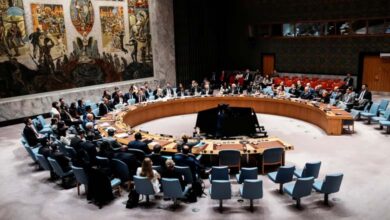
The Russian Foreign Ministry emphasized the need to prevent further escalation, insisting that Latin America must remain “a zone of peace,” while supporting Venezuela’s call for an urgent UN Security Council meeting.
-
The Venezuelan Air Force: a symbolic power that would not withstand the United States
-
Ford in Latin America: a new escalation from Washington against Venezuela
Cuba
Cuba strongly condemned the US attack, describing it as “criminal,” accusing Washington of practicing “state terrorism” against the Venezuelan people.
Havana called on the international community for an immediate response, warning that the operation constitutes a serious attack on a state located in a region that has declared itself a “zone of peace.”
Iran
Iranian Supreme Leader Ayatollah Ali Khamenei stated that confronting what he described as attempts to impose will by force requires “steadfastness and resistance with courage.”
He affirmed that opposing what he called the “arrogant enemy” is the way to preserve the sovereignty and independence of states.
-
Venezuelan fighter jets fly near a US destroyer: a provocation over the Caribbean
-
Is War Approaching? Venezuela Deploys Warships and Drones in Response to U.S. Moves
Spain
Spain offered to mediate in order to achieve a “negotiated and peaceful solution” to the crisis, calling for de-escalation and restraint.
The Spanish Ministry of Foreign Affairs confirmed Madrid’s willingness to provide good offices, noting that the country does not recognize the results of the 2024 Venezuelan elections and has welcomed tens of thousands of Venezuelans who left the country for political reasons.
European Union
EU Foreign Policy Chief Kaya Kallas called for restraint and respect for the principles of international law and the UN Charter following a phone call with US Secretary of State Marco Rubio.
-
Why is Russia Building a New Ammunition Factory in Venezuela?
-
Iranian supertanker departing from Venezuela to transport heavy oil
She emphasized that the European Union doubts Maduro’s democratic legitimacy, while stressing the priority of protecting civilians and the safety of its nationals in Venezuela.
Regional and Asian positions
Trinidad and Tobago’s Prime Minister Kamla Persad-Bissessar stated that her country did not participate in any military operations against Venezuela, confirming the continuation of peaceful relations with the Venezuelan people.
Indonesia, for its part, called on all parties to halt the escalation and prioritize dialogue and peaceful solutions, emphasizing respect for international law and the protection of civilians.
-
Iran challenges the US sanctions and sent the biggest flotilla to Venezuela with fuel
-
In 2026… Pending Items on Trump’s Foreign Agenda
Increasing international division
These positions reflect a sharp international divide over developments in Venezuela, between countries viewing the operation as a blatant violation of sovereignty and a threat to regional stability, and others focusing on Maduro’s legitimacy, with relative consensus on the need to avoid escalation that could lead to a wider conflict threatening Latin American security and international peace.
-
Israel secretly armed al-Hajri’s forces to sow chaos in Syria
-
Merops versus Shahed: the American drone-killer proves its effectiveness