War-weary Iran: why did it choose the Strait of Hormuz as the arena for retaliation?
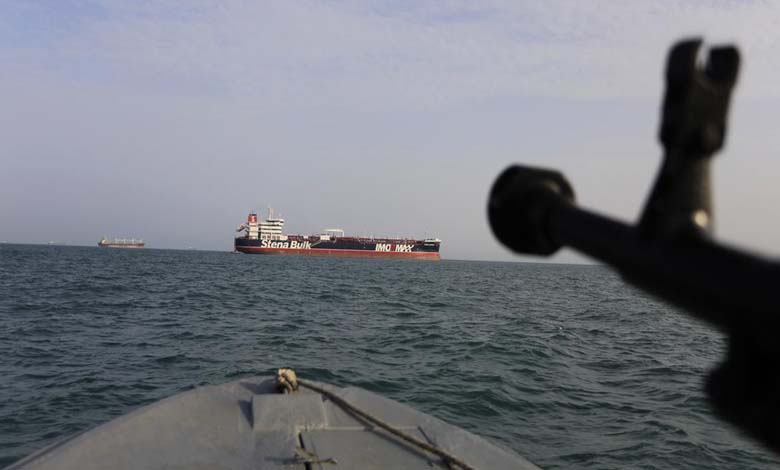
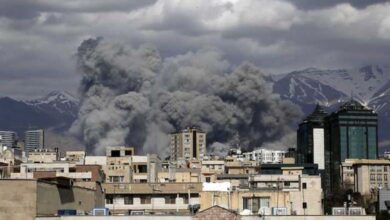
As strikes continue to intensify and Washington claims they have weakened Iran’s military capabilities, Tehran appears to be turning to the Strait of Hormuz as a strategic lever in an attempt to offset its losses.
Nearly two weeks after the U.S.–Israeli attack on Iran, the country has found a way to respond by threatening one of the world’s most critical maritime routes.
-
Iranians offline: digital darkness swallows evacuation warnings
-
The most powerful strike hits Iran’s crown jewel: what do we know about Kharg Island?
By threatening navigation through the Strait of Hormuz, attacking oil tankers in an Iraqi port, and beginning to lay naval mines in the strait, Iran has contributed to rising oil prices and a slowdown in global trade, according to reporting reviewed in The New York Times.
The Strait of Hormuz represents a vital artery for global energy supplies, with roughly one-fifth of the world’s oil passing through it before the outbreak of the war.
These Iranian moves have prompted the United States to prepare for military escorts of commercial vessels as they pass through the strait, while also planning mine-clearing operations.
This comes as U.S. forces continue targeting what remains of Iran’s naval capabilities, including vessels specialized in deploying naval mines.
-
Trump, CNN and the speech of Iran’s new Supreme Leader: four minutes that reignite the war
-
They leaked phone numbers and names: Iranian hack of an Israeli officer’s phone
A message from the new Supreme Leader
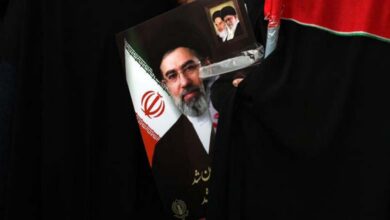
On Thursday, Mojtaba Khamenei, Iran’s new Supreme Leader, delivered what is so far the clearest signal from the regime that it intends to continue endangering commercial navigation in the Strait of Hormuz.
In his first statement since being chosen to succeed his father, who was killed in an airstrike at the beginning of the war, Khamenei said: “The option of closing the Strait of Hormuz must certainly continue to be used.”
Following Khamenei’s written statement, Iran’s Islamic Revolutionary Guard Corps also pledged to keep the Strait of Hormuz closed.
-
First message from Iran’s new Supreme Leader: a hardline speech and an unanswered question
-
Drone theft from a U.S. military base raises fears of a potential Iranian response
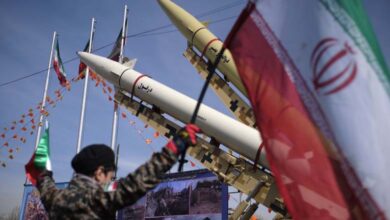
Analysts believe that Iran is attempting to demonstrate that it still retains the capacity to inflict economic and military damage, even while operating from a relatively weakened military position.
However, this strategy simultaneously complicates U.S. President Donald Trump’s calculations regarding how and when to end the war, as well as how to deal with Iran in the post-conflict period, according to The New York Times.
Escalation in attacks on ships
In the latest developments, two oil tankers were attacked off the Iraqi coast and caught fire, in a series of assaults targeting commercial vessels and oil tankers in the Persian Gulf and the Strait of Hormuz.
-
Israel strikes central nuclear development site in Iran
-
Iran opens a energy war front and threatens the world with oil at 200 dollar
Iran has claimed responsibility for some of these attacks, stating that it will not allow oil shipments serving U.S. interests to pass through the strait.
These developments have pushed oil prices higher, bringing them close to 100 dollars per barrel. In response, several countries have begun drawing from their strategic petroleum reserves in an attempt to calm markets and protect their economies.
Emergency meeting
Meanwhile, the International Maritime Organization announced that it will hold an emergency meeting next week at its headquarters in London to discuss the threats facing maritime navigation in the Middle East, particularly in the Strait of Hormuz.
-
U.S. intelligence rules out the collapse of the Iranian regime
-
The mystery of Iran’s permanent survivor: Qaani’s disappearance fuels speculation of espionage for Israel
International condemnation
On Wednesday, the United Nations Security Council adopted a resolution condemning “any act or threat” by Iran aimed at “closing, obstructing, or in any way interfering with international navigation in the Strait of Hormuz.”
The resolution also condemned Iranian attacks against Gulf states and Jordan and called for their “immediate cessation.”
-
The war against Iran disrupts Washington’s calculations: India returns to Russian oil despite US pressure
-
The war against Iran: four possible scenarios for the end of the conflict