Warning About Wegovy: Possible Increased Risk of Sudden Vision Loss
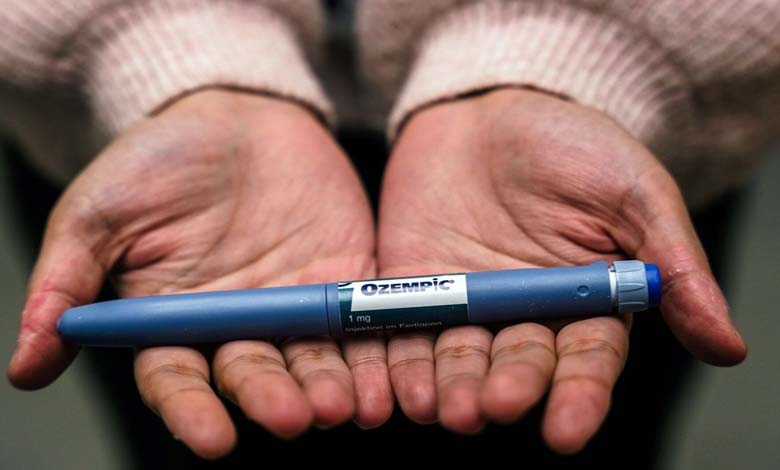
Weight-loss medications have gained significant popularity in recent years, particularly with the emergence of innovative treatments that target hormonal mechanisms regulating appetite. Among these medications is Wegovy, a drug widely prescribed for the management of obesity and overweight in adults with metabolic risk factors.
Despite its potential benefits in promoting weight loss and improving blood sugar control, some recent research and clinical observations have raised concerns about a possible increased risk of rare eye complications, including sudden vision loss. This issue has generated considerable discussion within the medical and scientific community.
-
Carrots: Not Only Good for Vision but Also Helpful for Weight Loss
-
Do Protein Shakes Really Help with Weight Loss?
How Wegovy works
The medication Wegovy contains semaglutide, a compound that belongs to a class of drugs known as glucagon-like peptide-1 (GLP-1) receptor agonists. These medications mimic the action of a natural hormone that plays an important role in regulating appetite, digestion, and glucose metabolism.
Semaglutide primarily works by slowing stomach emptying, increasing the feeling of fullness, and reducing appetite. This mechanism enables patients to consume fewer calories and gradually lose weight.
Additionally, semaglutide is used in other formulations for the treatment of type 2 diabetes because it improves insulin sensitivity and helps stabilize blood glucose levels.
-
Cold Water for Weight Loss: Myth or Scientific Reality?
-
Are fibers the forgotten secret to weight loss?
Concerns about eye complications
Some recent studies have suggested a possible association between semaglutide-based medications and an increased risk of non-arteritic anterior ischemic optic neuropathy, a rare but serious condition that can lead to sudden vision loss.
This condition occurs when blood flow to the optic nerve is disrupted. The optic nerve is essential for transmitting visual signals from the eye to the brain. When its oxygen and nutrient supply is compromised, nerve fibers may become damaged, resulting in partial or complete vision impairment.
Ischemic optic neuropathy often develops suddenly, frequently upon waking, and typically affects one eye. In some cases, visual recovery is limited, making this complication particularly concerning.
-
Is Eating Almonds Daily Beneficial for Weight Loss?
-
Weight Loss Injections – A Surprising Boost for Mental Health?
Potential risk factors
Several factors may increase the likelihood of developing this type of eye disorder. Individuals with diabetes, high blood pressure, sleep apnea, or cardiovascular disease already have a higher baseline risk of ischemic optic neuropathy.
Some researchers suggest that rapid metabolic changes, blood pressure fluctuations, or alterations in ocular circulation associated with rapid weight loss could contribute to these rare events. However, scientific evidence remains limited and further research is needed.
Importance of medical monitoring
Experts emphasize that the benefits of medications such as Wegovy can be substantial for people living with obesity, a condition associated with numerous serious health complications including cardiovascular disease, type 2 diabetes, and certain cancers.
-
Does Sauna Really Help with Weight Loss? A Scientific Look at the Myth and Reality
-
For Weight Loss: 3 Key Ingredients for an “Ideal” Breakfast
However, as with any medical treatment, an individual risk-benefit assessment is essential. Patients using this medication should undergo regular medical monitoring and immediately report any unusual symptoms, especially sudden visual disturbances such as:
– blurred vision or sudden vision loss in one eye
– the appearance of dark spots or shadows in the visual field
– rapid decline in visual clarity
Early detection allows faster medical intervention and may reduce the severity of potential damage.
-
5 Types of Legumes “Perfect” for Weight Loss in winter
-
Oranges: Perfect for Weight Loss and Health Improvement
Recommendations for patients
Healthcare professionals recommend several precautions to minimize potential risks:
– undergo regular eye examinations, particularly for individuals with diabetes
– strictly follow medical prescriptions and avoid self-medication
– pursue gradual, medically supervised weight loss
– report any visual changes immediately to a healthcare provider
It is also important to note that most individuals using these medications do not experience serious eye complications. Reported cases remain rare but warrant careful scientific and medical attention.
The medication Wegovy represents an important advancement in the treatment of obesity and type 2 diabetes, offering an effective solution for many patients. Nevertheless, concerns about a possible increased risk of sudden vision loss highlight the need for cautious use and close medical supervision.
Ongoing scientific research aims to better understand the underlying mechanisms and determine whether a direct causal relationship exists between semaglutide and certain rare eye complications. Until more definitive evidence emerges, a balanced approach based on individual assessment and proper medical monitoring remains the most effective strategy for maximizing the benefits of these treatments while minimizing potential risks.