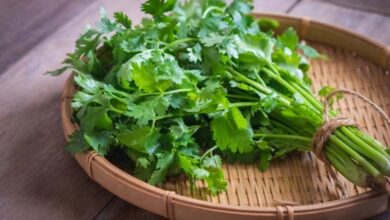
Watercress: The Vegetable That Tops the Health Charts
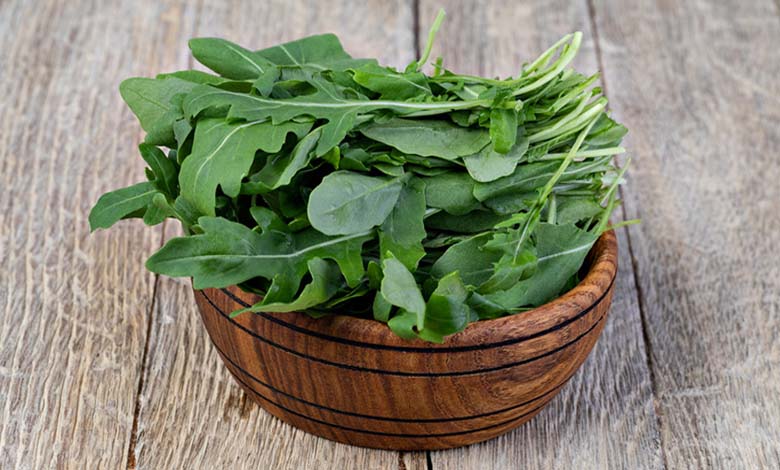
Among the wide range of vegetables available in our daily diet, some stand out for their exceptional nutritional density. Watercress, often relegated to a mere salad garnish, now ranks among the healthiest vegetables. Its nutritional, antioxidant, and protective properties make it a major ally in preventing chronic diseases and maintaining overall well-being.
Remarkable Nutritional Composition
Watercress is rich in essential vitamins and minerals:
- Vitamin K: crucial for blood clotting and bone health.
- Vitamin C: a powerful antioxidant that strengthens the immune system and combats free radicals.
- Vitamin A and beta-carotene: vital for skin, eye, and immune system health.
- Calcium, magnesium, and potassium: these minerals support muscle function, heart health, and electrolyte balance.
- Folate: essential for DNA synthesis and prevention of birth defects in pregnant women.
Compared to other leafy greens such as spinach or kale, watercress has a higher nutrient density, containing elevated levels of certain antioxidants and beneficial phytochemicals.
Antioxidant and Anti-Inflammatory Properties
Watercress contains various phytonutrients, including flavonoids, carotenoids, and glucosinolates, known for their antioxidant and anti-inflammatory effects. These compounds help neutralize free radicals, reduce oxidative stress, and protect against cellular aging and chronic diseases such as cancer, cardiovascular disease, and type 2 diabetes.
Cardiovascular Benefits
Several studies have shown that watercress can improve cardiovascular health. Its high potassium and natural nitrate content help regulate blood pressure and enhance blood flow. Antioxidants in watercress also reduce vascular inflammation and the risk of atherosclerosis.
Bone Health Support
Vitamin K and calcium in watercress play a key role in maintaining bone density and preventing osteoporosis. Regular consumption of watercress may be especially beneficial for postmenopausal women and the elderly, who are at higher risk of fractures and bone loss.
Immune Support and Cancer Protection
The glucosinolates naturally present in watercress are converted into bioactive compounds in the body that activate detoxifying enzymes and strengthen defenses against certain types of cancer. Additionally, vitamin C and antioxidants boost the immune system, enhancing the body’s resistance to infections.
Consumption Tips
To maximize the benefits of watercress:
- Prefer raw consumption: vitamins and antioxidants are best preserved when eaten raw, in salads or smoothies.
- Light cooking: if cooked, use quick steaming to minimize nutrient loss.
- Regular inclusion: incorporate watercress into your diet several times a week to reap long-term protective effects.
Conclusion
Watercress is not just another green vegetable: it is a concentrated source of nutrients and bioactive compounds that promote overall health, cardiovascular protection, bone strength, and cancer prevention. Regular consumption should be encouraged as part of a balanced diet, providing a natural and effective approach to enhancing well-being and preventing chronic diseases.