WhatsApp and a hired killer: 55-page document on the Hamas attack turns fire on Netanyahu
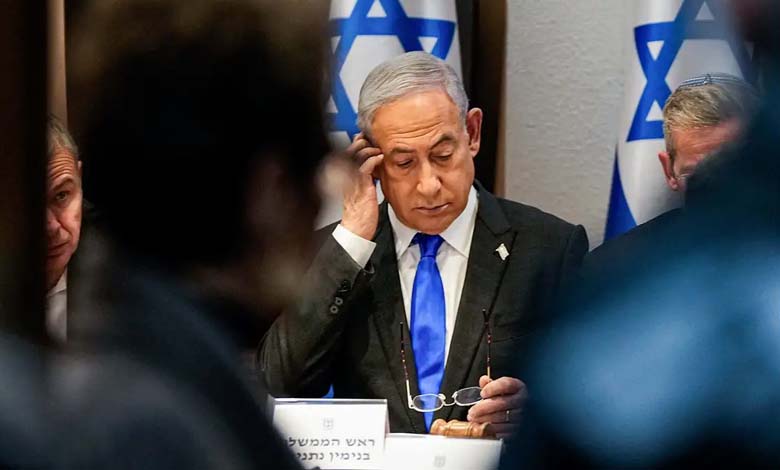
In a 55-page document, Netanyahu presented his own account of the October 7 attack and the events that preceded it, in a narrative rejected by the opposition.
Without acknowledging any responsibility, Israeli Prime Minister Benjamin Netanyahu published on Thursday evening his official response to questions from State Comptroller Matanyahu Englman, as part of the comptroller’s review of the events surrounding the attack launched by Hamas on October 7, 2023.
The document disclosed by Netanyahu consists of 55 pages, three of which were redacted.
-
Trump Pulls the Trigger on Phase Two in Gaza: Peace Takes Precedence over Netanyahu’s Conditions
-
Rafah Crossing caught between two narratives: Will Netanyahu reconsider opening Gaza’s lifeline?
What does the document contain?
The document includes numerous quotations from senior security officials, most of them truncated or partial, and contains no admission by Netanyahu, who has served as prime minister for more than sixteen years, of responsibility for the failures that led to the Hamas attack.
In the final section of the document, in response to a question from the state comptroller regarding the causes of the strategic failure on October 7, Netanyahu places responsibility on several factors, including:
– Israel’s withdrawal from southern Lebanon in 2000;
– the disengagement plan from the Gaza Strip in 2005, stressing that he opposed the withdrawal plan despite having voted in favor of it in the Knesset at the time.
-
Coinciding with Netanyahu’s visit, the Pentagon announces an F-15 deal for Israel
-
Israel on the verge of rupture… Netanyahu’s request for clemency ignites the streets
Shifting the blame
Netanyahu also blamed the security establishment, stating that “the root of the failure lies in the loss of intelligence and defensive superiority vis-à-vis Hamas.”
He added that “the security services asserted unequivocally that the policy of deterrence was effective and that Hamas was deeply deterred,” and therefore recommended continuing along this course.
He wrote: “At the same time, they did not convey information that could have indicated a reality different from the one presented, even though it later became clear that intelligence information and indicators pointed to Hamas training and mobilizing its forces prior to launching the attack.”
-
Netanyahu criticizes Washington’s efforts to deploy an international force in Gaza
-
The Haredim and Military Conscription… A Street Confrontation Threatening Netanyahu’s Government
According to him, the information presented suggested that Hamas possessed only limited capabilities to carry out infiltrations, exclusively through tunnels, and confined to localized or small-scale attacks near the border.
Netanyahu said that this assessment shaped the real-time response of the security services, even when unusual signs emerged, leading during a meeting chaired by the head of the Shin Bet to an instruction not to undertake broad preparations for fear of a “misjudgment.”
-
Netanyahu hopes to sign a peace agreement with Saudi Arabia before the early 2026 elections
-
Netanyahu once again at the gates of hell… will Trump’s Gaza plan endure?
How did Netanyahu learn of the attack?
In response to a question from the comptroller about the decisions taken by the political leadership on the morning of the attack, Netanyahu said that his military secretary informed him via WhatsApp at 6:29 a.m. of the outbreak of the assault. Fifteen minutes later, they spoke again, with the prime minister asking about the possibility of targeting Hamas leadership, the scope of the attack, and whether reserve forces should be mobilized.
The document notes that at 9:47 a.m., his office received an assessment prepared by the head of the General Security Service (Shin Bet), Ronen Bar, at 5:15 a.m., that is, an hour and fifteen minutes before the attack began.
-
Trump and Netanyahu Announce Gaza Peace Plan Amid Uncertainty Over Hamas’ Response
-
Netanyahu Apologizes to Qatar Over Doha Attack
Netanyahu published excerpts from that assessment, which stated that the likelihood of a large-scale attack was considered low, while a limited surprise attack could not be ruled out. The main assumption concerned concern over Israeli offensive activity.
According to Netanyahu, the assessment did not include any instruction to inform his military secretary of the overnight developments, saying that this clause “was added later.”
-
Smotrich Preempts Trump-Netanyahu Meeting with Six Red Lines on Gaza Plan
-
The Trump–Netanyahu alliance remains too strong to be shaken by the attack on Qatar
The “hired killer”
For the first time, the Israeli prime minister revealed that in 2017 his country carried out the assassination of Mazen Fuqaha, a leader in the Izz al-Din al-Qassam Brigades, the military wing of Hamas, through a “hired killer,” once again reaffirming his long-standing support for the policy of targeted killings.
He also published excerpts from an intelligence assessment dated September 21, 2023, stating that Hamas was “not interested in a new round of fighting” and was seeking to consolidate existing understandings.
-
Qatar warns against Netanyahu’s plan to violate its sovereignty again
-
Israelis Appeal to Trump to End the Gaza War, Having Lost Faith in Netanyahu
He further referred to a summary of an intelligence meeting held on October 3, four days before the attack, entitled “Aman’s conclusions on the annual assessment of the Palestinian arena,” which made no reference to any plan for a large-scale incursion or offensive intent by Hamas.
According to Netanyahu, the assessment concluded that Hamas continued to strengthen its capabilities at a moderate pace and was not expected to initiate a multi-front war.
-
Netanyahu Withdraws West Bank Annexation File Following Emirati Warning
-
Netanyahu’s New Gaza Strategy: Seven Reasons It Risks Failure
He also revealed excerpts from a meeting held on July 31, 2023, between himself and Shin Bet chief Ronen Bar, who had informed him at the time of a significant increase in daily security warnings.
Netanyahu reportedly replied: “You must strike them hard. Kill one of them.” Bar responded that a secret message was being prepared to deliver a direct threat to Yahya Sinwar, who was later killed during the war. The prime minister repeated: “You must kill one of them.”
Netanyahu presented these quotations during a meeting of the security cabinet on Thursday evening.
-
Gantz pressures Netanyahu to secure a hostage release deal
-
Netanyahu changes Gideon’s Chariots 2… and here is the evacuation schedule in Gaza
The opposition: obscuring the truth
In response, Israeli opposition leader Yair Lapid said that Netanyahu “received repeated warnings before October 7 and ignored them.”
Gadi Eisenkot, former chief of staff and member of a previous parliamentary investigation committee, stated that the document “contains manipulations and selective, distorted quotations.”
The “October Council,” an organization calling for the establishment of a governmental commission of inquiry and organizing a protest in Tel Aviv on Saturday night, said that the prime minister was attempting to obscure the truth by publishing carefully selected documents stripped of their context.
-
Hostages or Gaza’s Occupation: What Is Netanyahu’s Priority?
-
Netanyahu calls for accelerating the takeover of Gaza despite warnings