How do Marib’s oil revenues and Taiz’s levies become fuel for a parallel state linked to the Muslim Brotherhood?
A recent report by the Khabar News Agency discusses the transformation of Yemeni state resources in so-called liberated areas into what the report describes as a “parallel state,” administered by the Yemeni Islah Party (Yemeni Congregation for Reform), which is ideologically and organizationally linked to the Muslim Brotherhood in Yemen, amid the absence of a strong central authority.
The report notes that oil revenues and fiscal levies are being used as tools of political and economic empowerment outside the authority of the official state.
-
Shocking information: Israeli surveillance technology in the hands of the Brotherhood in Yemen
-
The Muslim Brotherhood in Yemen Sparks a Fuel Crisis… What’s the Story?
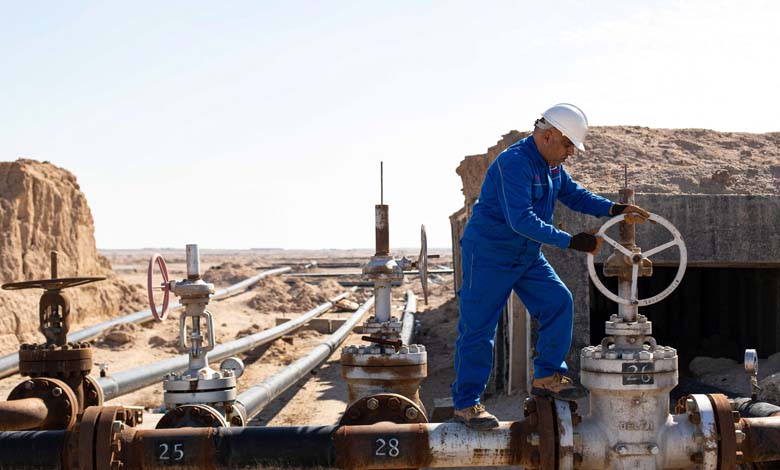
According to the report, this transformation did not occur by chance or as a temporary reaction, but rather as the result of years of security and economic chaos that have characterized the country since the outbreak of the Yemeni war. Sources cited in the report indicate that Marib’s oil and gas resources, which possess massive financial potential estimated at billions of dollars annually, have not contributed to rebuilding the state or supporting the central budget in Aden. Instead, they have been channeled into an unofficial financial system operating without formal oversight and used in ways that serve the influence of Brotherhood-affiliated forces in areas controlled by Islah and its partners.
In Taiz, the report points out that the system of levies and taxes has evolved from a local mechanism associated with roads and military checkpoints into a “parallel taxation apparatus” managed by a political-military axis affiliated with Islah, with influence extending into local networks.
-
A Major Blow to the Muslim Brotherhood in Yemen
-
Khat Taxes… A Realistic Picture of Corruption by the Muslim Brotherhood in Yemen
Illegal and excessive fees are imposed on trucks and essential goods, significantly increasing prices and placing a heavy burden on ordinary citizens. Meanwhile, revenues from the qat tax, a plant widely consumed in Yemen, are estimated at hundreds of millions of rials and are collected outside any official supervisory framework.
The report goes beyond presenting these economic facts and seeks to place them within a broader context of competition over power and resources following the collapse of state institutions.
-
Corruption of the Muslim Brotherhood in Yemen… Embezzlement, Extortion, and Trading in People’s Needs
-
Shocking Report: How Yemen’s Muslim Brotherhood Managed to Secure Monthly Allowances for Their Wealthy Leaders
From this perspective, Islah’s control, linked to the Muslim Brotherhood, over the resources of Marib and Taiz is seen not merely as a tactical maneuver, but as a strategy aimed at “establishing a state within the state.” This strategy is based on expanding partisan and economic influence both domestically and abroad, particularly through investment networks in countries that offer more supportive environments for funding and backing.
The figures and estimates presented in the report suggest that what is occurring is not simply isolated corruption, but a structured economic system built on exploiting the institutional vacuum. These resources have not improved the living conditions of Yemenis nor supported efforts to combat poverty and famine. Instead, they have enriched political and military actors at the expense of essential services, while the official state remains unable to compel these parties to transfer revenues to the public treasury.
-
Yemeni Muslim Brotherhood Exploiting the Wounded of Taiz and Marib: Clear Political and Financial Manipulation by Al-Islah
-
From Militia to Organized Crime: The Muslim Brotherhood in the Crosshairs of Yemeni Investigations
The report concludes with a clear call to Yemen’s Presidential Leadership Council to restore the state’s financial sovereignty through immediate measures, including imposing genuine oversight over oil and gas revenues, dismantling parallel taxation systems, and holding accountable those responsible for turning Yemen’s resources into instruments of empowerment for political allies linked to the Muslim Brotherhood, outside the framework of the rule of law.
-
Southern Yemen Moves Beyond the Conventional Framework: A New Diplomacy Confounds the Muslim Brotherhood and the Houthis
-
Brotherhood Immunity for Criminals and Forged Documents… What is Happening in Taiz, Yemen?