European humanitarian projects for Sudanese displaced persons worth 95 million euros
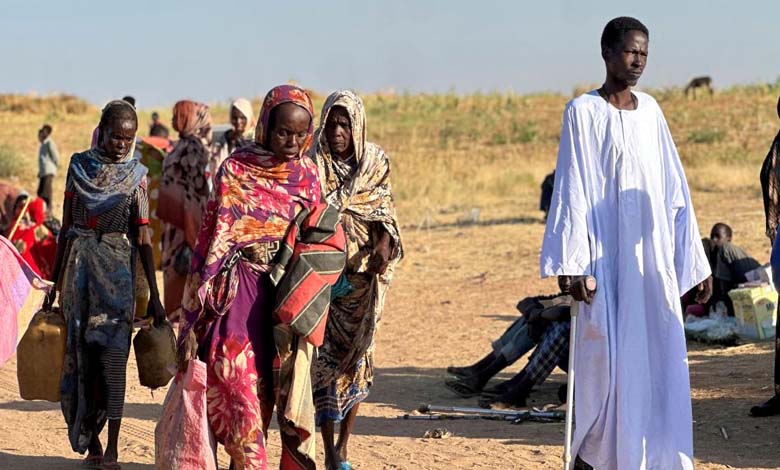
The projects aim to support communities affected by displacement and conflict, and to improve livelihoods and protection in key areas across the country.
The European Union announced on Sunday the launch of three projects worth a total of 95 million euros in Sudan, aimed at supporting communities affected by displacement and conflict, as the majority of Sudanese continue to endure dire humanitarian conditions.
-
The United Nations: More than 5 million Sudanese displaced due to the war
-
The Cursed Land: Sudanese Displaced Reject Return to Darfur
In a statement, the European Union said: “As part of an effort to strengthen community resilience in Sudan, we are announcing the launch of three projects with a total value of 95 million euros.”
Regarding the objectives of the projects, the statement explained that they seek “to assist communities affected by displacement and conflict, and to improve livelihoods and protection in key areas throughout the country.”
The statement noted that this assistance package, implemented by three partners — the World Food Programme, the Danish Refugee Council, and CARE Netherlands — will target eleven Sudanese states.
-
When the Street Awakens: How Sudanese Awareness Becomes a Weapon to Challenge War Authorities and Demand Justice
-
El-Fasher: the knot that sums up the Sudanese crisis
The targeted states include Khartoum, Gedaref, Kassala and the Red Sea State in the east; Northern State and River Nile State in the north; Central and South Darfur in the west; White Nile State, as well as North and South Kordofan in the south.
According to the statement, “these projects aim to benefit more than 500,000 people through vocational training, small business grants, school feeding programmes, and essential protection services such as safe spaces and shelters.”
The humanitarian crisis in Sudan continues to worsen due to the war between the Sudanese army and the Rapid Support Forces, which erupted in April 2023 following a dispute over the unification of the military institution. The conflict has resulted in the deaths of tens of thousands of people and the displacement of 13 million others.
-
War and epidemics: uncontrollable disasters claiming Sudanese lives
-
Political Analyst: Children Are the Greatest Victims of War and the International Community Selectively Ignores the Sudanese Tragedy
The International Organization for Migration announced on Sunday that more than 107,000 people were displaced from the city of El-Fasher and surrounding villages in North Darfur State, western Sudan, between 26 October and 8 December, as a result of escalating insecurity.
It stated that “the vast majority of the displaced, approximately 72 percent, remained within North Darfur State, mainly in the northern and western parts of the state.” It added that estimates indicate that 19 percent of the displaced moved to other states in Sudan, including Central Darfur in the west, Northern State, and White Nile State in the south.
-
Sudanese Political Analyst: Port Sudan Attacks Signal a Dangerous Strategic Shift in the Course of the War
-
Sudanese Army Under Fire: Allegations of Civilian Abuses and Obstruction of Humanitarian Aid Amid International Calls to End the War
According to field teams affiliated with the Displacement Tracking Matrix, three quarters, or 75 percent, of those displaced since 26 October 2025 were already internally displaced persons. This includes individuals who were initially displaced from major displacement camps such as Zamzam and Abu Shouk, or from locations within El-Fasher during previous escalations, before being forced to flee again.
The teams also noted that movement restrictions and insecurity may limit mobility, and that displacement routes could change depending on developments in the security situation. They stressed that these figures are preliminary and subject to change due to ongoing insecurity and rapidly evolving displacement dynamics, emphasizing that the situation remains extremely tense and volatile.
-
Looting Theft and Murder… Sudanese in Army-Held Areas Crushed by Hardship
-
Arrests, Executions, and Violations… What Is Happening Inside Sudanese Army Prisons
In addition to the Darfur states, the three states of the Kordofan region — North, West and South Kordofan — have witnessed intense clashes between the Sudanese army and the Rapid Support Forces in recent weeks, leading to the displacement of tens of thousands of people.
Out of the country’s 18 states, the Rapid Support Forces control the five Darfur states in the west, with the exception of parts of North Darfur that remain under army control. The Sudanese army maintains its influence over most of the remaining 13 states, including the capital, Khartoum.
-
Sudanese Army Violations Against Civilians: War Crimes Threatening the Country’s Future
-
One-Third of Sudanese Farewell from Exile “The Most Tragic Year”