The Muslim Brotherhood in Tunisia in 2025: the year of accountability
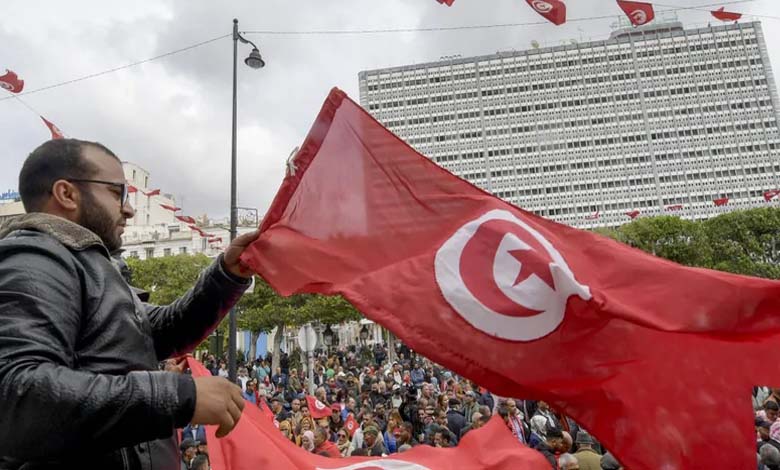
Throughout 2025, the Muslim Brotherhood movement in Tunisia lived under the weight of trials involving its leaders in multiple cases, most notably those related to espionage, conspiracy, political assassinations, the transfer of fighters to conflict zones, and financial corruption.
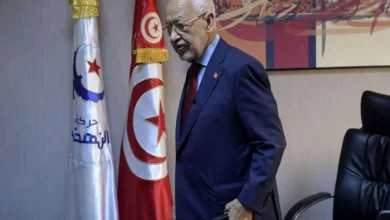
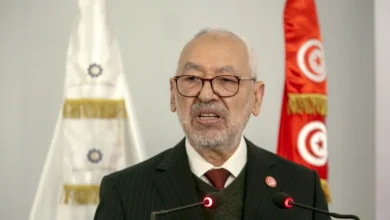
The year 2025 marked a decisive turning point in the examination of judicial files implicating the movement’s leadership, foremost among them the leader of the Muslim Brotherhood in Tunisia, Rached Ghannouchi.
Observers of the Tunisian political scene believe that the accountability process was strengthened by the issuance of first-instance rulings and appeal judgments against the organization’s leaders and their allies.
-
Rached Ghannouchi Rejects Remote Trial Appearance: Conspiracy 2 Case Shakes the Muslim Brotherhood in Tunisia
-
As the election date approaches… Muslim Brotherhood in Tunisia intensifies efforts to disrupt
The “Conspiracy 1” case
On 28 November, the criminal chamber specialized in terrorism cases at the Tunis Court of Appeal issued final rulings against 40 defendants, including Muslim Brotherhood leaders and their allies, in the case known as “Conspiracy against State Security 1”. They were convicted of “conspiring against the internal and external security of the state and belonging to terrorist organizations”.
Sentences against detainees ranged from 10 to 45 years in prison, while those against defendants tried while at liberty ranged from 5 to 35 years.
-
Who is Noureddine Bhiri, the mastermind of the Muslim Brotherhood in Tunisia, accused in the travel case after being sentenced?
-
Saied is determined to eliminate the Muslim Brotherhood in Tunisia… Details
Political activist Khayam Turki was sentenced to 35 years in prison and fined, while Ennahdha deputy leader Noureddine Bhiri received a 20-year sentence. Issam Chebbi, secretary-general of the Republican Party, as well as Jawhar Ben Mbarek, Ghazi Chaouachi and Ridha Belhaj, were each sentenced to 20 years in prison.
Former Ennahdha leader Abdelhamid Jelassi was sentenced to 10 years, Ahmed Nejib Chebbi, head of the National Salvation Front, to 12 years, and Ennahdha figure Sahbi Atig and politician Sayed Ferjani to 10 years each. Former minister Mohamed Hamdi received a 17-year sentence, while lawyer Ayachi Hammami was sentenced to 5 years. The harshest sentence, 45 years in prison, was handed down to businessman Kamel Ltaief.
In April, Tunisian courts had already issued first-instance rulings against around 40 individuals convicted of conspiring against state security with the aim of overthrowing the regime and of forming and joining a terrorist alliance.
-
Its effects are no less than bombing Palestinian hospitals… Saied speaks about the corruption of the Brotherhood in Tunisia
-
The Ennahdha Movement collapses… Crises hit the Muslim Brotherhood in Tunisia
The “Conspiracy 2” case
On 9 July, the criminal chamber specialized in terrorism cases at the Tunis Court of First Instance issued severe prison sentences against several Muslim Brotherhood leaders in the case known as “Conspiracy against State Security 2”, headed by Ennahdha leader Rached Ghannouchi.
Ghannouchi was sentenced to 14 years in prison.
Other defendants present at trial, including former intelligence chief Mahrez Zouari, Abdelkarim Abidi, Habib Ellouze and Zahra mayor Rayan Hamzaoui, received 12-year prison sentences.
Fugitive defendants were sentenced in absentia to 35 years in prison with immediate enforcement. Among them were Nadia Akacha, former head of the presidential cabinet, Moaz Ghannouchi, son of Rached Ghannouchi, and senior Ennahdha figures including Adel Daddaa and Rafik Abdessalem, Ghannouchi’s son-in-law.
-
Painful end for the Brotherhood in Tunisia… demands to dissolve Ennahdha movement after the arrest of Ghannouchi
-
The leaders of the Brotherhood in Tunisia before the judiciary.. The start of the investigations of “Deportation of Terrorist”
The case dates back to June 2023, when Tunisia’s counter-terrorism unit opened an investigation into a “new Brotherhood plot” aimed at infiltrating state institutions and overthrowing President Kaïs Saïed, in coordination with security and civilian actors.
The “Instalingo” espionage case
On 5 February, Tunisian courts issued prison sentences against 41 defendants, including senior Muslim Brotherhood figures. Rached Ghannouchi was sentenced to 22 years in prison in the espionage case known as “Instalingo”.
Former foreign minister and Ghannouchi’s son-in-law Rafik Abdessalem was sentenced to 34 years, his daughter Somaya to 25 years, and his son Moaz to 35 years in prison.
-
After the failure of the Brotherhood in Tunisia.. Is Kais Saied ending the legacy of Ennahdha and its corruption?
-
Ghannouchi before the courts… Terrorism Surrounds the Head of the Brotherhood in Tunisia
Heavy sentences were also handed down to Instalingo executives and affiliates, alongside additional convictions involving corruption, terrorism-related activities, and media manipulation.
A decisive year
According to Tunisian political activist Khaled Bel Taher, 2025 was a decisive year in opening major cases involving Ennahdha leaders and their allies, emphasizing that accountability was the defining theme of the year.
He stressed that these rulings dealt a severe blow to the Muslim Brotherhood in Tunisia and marked the end of its aspirations to return to political power, while noting that several files remain pending before the Tunisian judiciary.
-
Conspirators Against Tunisia’s Security… Heavy Sentences for the Brotherhood and Their Allies
-
No going back… The Tunisian president blocks the path of the Muslim Brotherhood
-
Tunisia targets Brotherhood mouthpieces: three lawyers under investigation
-
The return of the Muslim Brotherhood… Signs of tension threaten Tunisia’s political stability
-
Refusal to Attend His Corruption Trial… The Leader of Tunisia’s Muslim Brotherhood Evades Justice