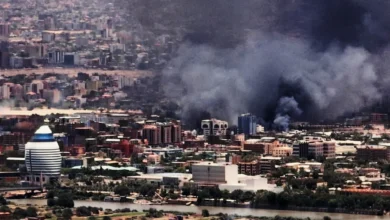
Sudan Between Military Balance and Muslim Brotherhood Influence: An Ongoing Struggle Over Decision-Making
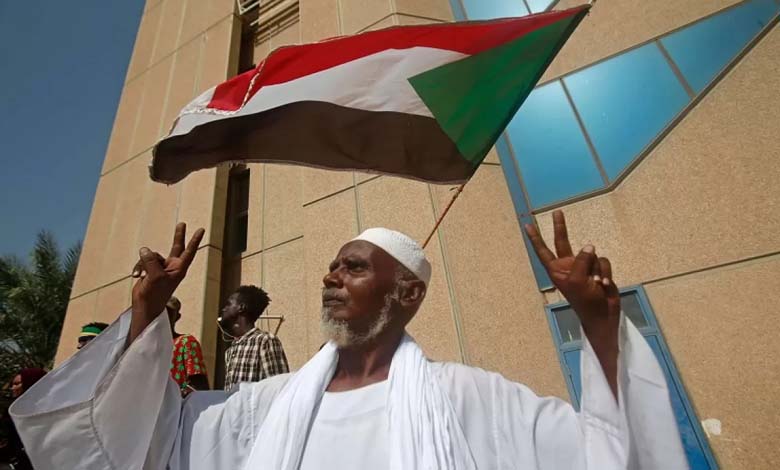
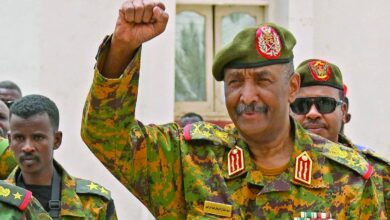
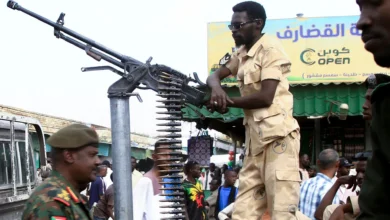
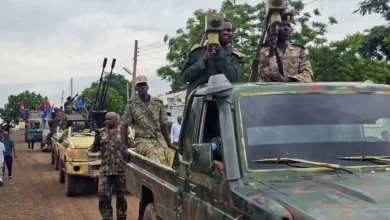
Sudan is currently undergoing a highly sensitive political phase, marked by the intertwining of military forces, civilian parties, and armed factions in a continuous struggle for influence and decision-making authority, amid a growing influence of the Muslim Brotherhood over certain choices within the military establishment. This situation has generated considerable concern among political and civilian actors, who argue that organizational interference undermines prospects for national dialogue, weakens state stability, and heightens tensions in conflict-affected areas, thereby reflecting the fragility of the broader political landscape.
-
Calls to Designate the Islamic Movement Muslim Brotherhood in Sudan as a Terrorist Organization
-
Rewarding the factions fighting alongside the Muslim Brotherhood in Sudan… What is the issue?
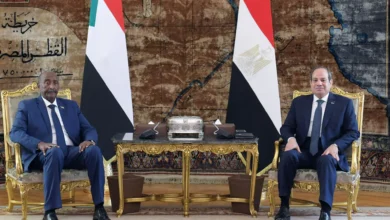
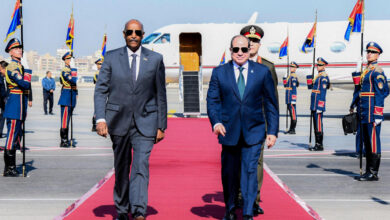
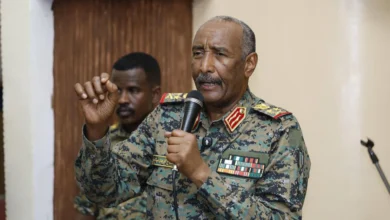
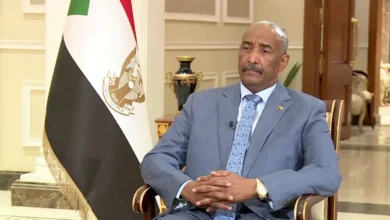
Recent steps taken by the military institution, under the leadership of General Abdel Fattah al-Burhan, to reduce the representation of the Democratic Bloc within the legislative council and the forthcoming government appear to be a strategic move aimed at recalibrating the balance of power within the ruling camp. The decision has sparked significant discontent among civilian circles, which view it as an attempt to weaken the Bloc’s ability to shape public policy and defend the interests of Sudanese citizens during this critical period. Despite the army’s justification that the Bloc’s political influence is limited, civilian forces have interpreted the move as a systematic act of political marginalization.
Minni Arko Minnawi, leader of an armed movement in Darfur, responded firmly and explicitly, describing the decision as a direct threat to existing political balances. His reaction extended beyond public statements to include field mobilization and political pressure initiatives designed to assert that no restructuring of influence centers would proceed without resistance. This stance underscores the depth of divisions between the army and armed factions and illustrates that attempts to reorganize authority may encounter resistance from within both military and civilian alliances.
-
Killing Civilians and Looting Aid: Crimes Committed by the Army and the Muslim Brotherhood in Sudan
-
The Muslim Brotherhood in Sudan Seeks to Return to the Scene Through International Conferences… Details
Meanwhile, the Democratic Bloc has undertaken internal efforts to reorganize its ranks and limit the role of certain influential figures, including Minni Minnawi and Jibril Ibrahim, as part of a strategy aimed at managing political alliances and preserving a balance between the army and armed factions. This development demonstrates that the conflict in Sudan is not confined to the military sphere or to the influence of the Muslim Brotherhood, but also extends to internal political dynamics within the Bloc itself, where individual interests intersect with broader alliance strategies.
The ideological influence of the Muslim Brotherhood over the army’s decisions has become increasingly apparent. Political sources indicate that the refusal to engage in dialogue and to accept a ceasefire stemmed from specific organizational pressures intended to consolidate influence and secure control over the decision-making process. This dynamic places Sudan in a genuine dilemma: between an army seeking to manage power balances, an organization determined to preserve its influence, and marginalized civilian forces, the political process remains stalled, with tensions liable to escalate at any moment.
-
Amidst the Crimes of the Muslim Brotherhood in Sudan… The ICC Demands the Disclosure of Bashir and Haroun’s Whereabouts
-
Power Sharing Deals… New Maneuvers by the Muslim Brotherhood in Sudan
Within this equation, the Sudanese public remains the most vulnerable party, bearing the consequences of rivalries among competing forces, whether through the continuation of armed conflicts, weakened public services, or stalled reforms. Any effort to resolve the crisis requires broad consensus; otherwise, unilateral actions may trigger comprehensive escalation. Accordingly, the only viable path toward tangible and relative stability appears to lie in an inclusive dialogue involving the army, armed factions, and civilian forces, accompanied by a reduction in organizational pressures influencing state decisions.
What distinguishes the current situation in Sudan is the complexity of relationships among allies within the military institution and armed factions, each striving to secure its position ahead of any future settlement. This dynamic narrows the scope of negotiations and limits the prospects for sustainable political solutions, as internal disagreements introduce additional layers of complexity that hinder the achievement of lasting consensus. Effective crisis management therefore demands political prudence and a clear strategic vision from both the military and civilian forces to prevent the collapse of any existing compromises or the escalation of tensions into an open conflict that could threaten the state as a whole.
-
Power struggle between the Sudanese army and the Muslim Brotherhood: rising political tensions
-
Dismantling the Muslim Brotherhood’s Influence: A Crucial Condition to Stop the Bleeding of War in Sudan
-
Experts reveal the hidden factors behind the prolongation of the Sudan conflict… what is the role of the Muslim Brotherhood?