Missiles Outside Iran Nuclear Talks: Israel Prepares for Any Incomplete Agreement
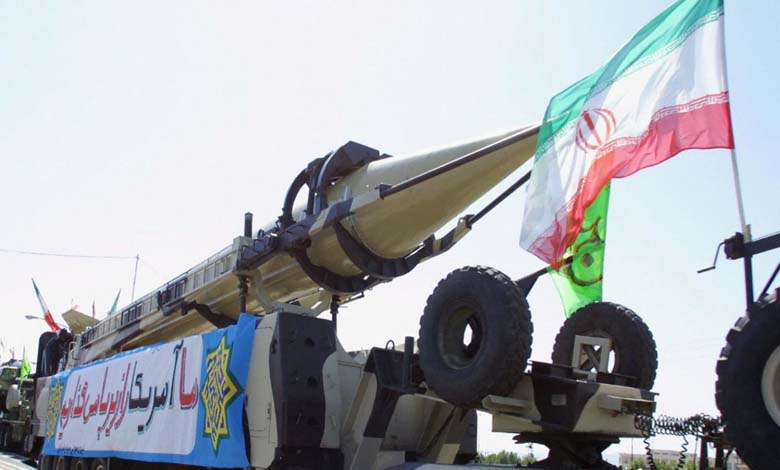
Israel is preparing for the possibility that ballistic missiles may be removed from the agenda of U.S.-Iran negotiations and is maintaining military readiness in case the talks collapse.
The Israeli Public Broadcasting Corporation revealed that Israel is considering the likelihood that the ballistic missile issue could be excluded from the discussions between Washington and Tehran or postponed to a separate negotiating track.
-
Iran draws up a list of Israeli and U.S. targets in response to a potential attack
-
The spectre of war returns: Israel warns of Iranian missile drills
According to the report, Israel is awaiting updates on the talks between the United States and Iran and is concerned about the prospect of agreements limited solely to the nuclear issue.
If the negotiations advance as suggested by optimistic statements made earlier on Tuesday, Israel could face a strategic dilemma should any agreement fail to include restrictions on ballistic missiles or defer the matter to future discussions.
Israel has consistently insisted that any U.S.-Iran agreement must encompass not only Iran’s nuclear program but also its missile program and the cessation of support for Iran-aligned organizations in the region.
-
On Iranian Orders: Israeli Newspaper Reveals Details of Assassination Attempt on Minister Katz
-
Israel imposes siege on Palestinians in Jerusalem under the pretext of war with Iran
Israeli sources have not ruled out the possibility that Israel could act independently against Iran’s missile program, which it now views as a strategic threat.
Despite ongoing negotiations, Israel has maintained a high level of alert in anticipation of a potential Iranian attack. It has also acknowledged having contingency plans to strike Iranian targets in the event of aggression.
Israel is closely monitoring U.S. military deployments in the region and does not exclude the possibility of an American strike against Iran.
-
Trump Announces Ceasefire Between Israel and Iran
-
Iran’s Missile Arsenal: What Hasn’t Yet Been Used in the War with Israel
In this context, the Israeli Public Broadcasting Corporation cited a senior U.S. official following the second round of talks with Tehran, stating that “the Iranians have two weeks to bridge the gaps with Washington.”
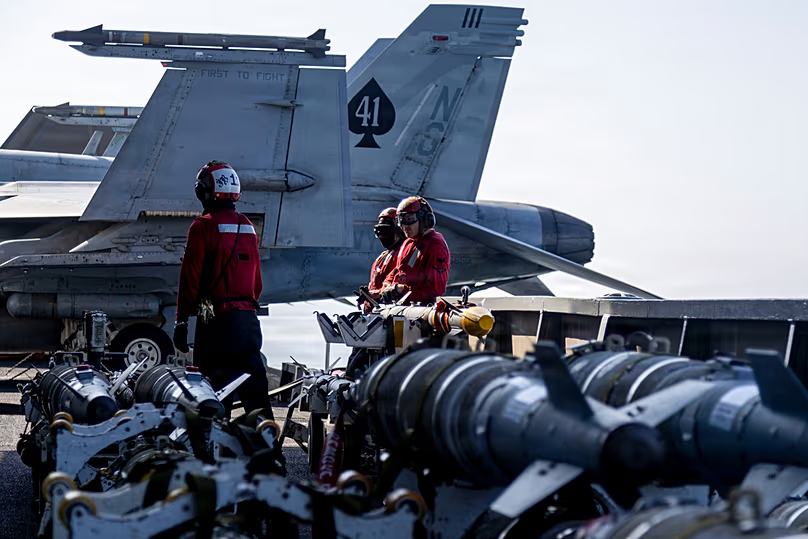
It noted that, coincidentally, the aircraft carrier Ford is scheduled to deploy to the Middle East within two weeks.
As part of preparations for a possible campaign against Iran, the head of the Israeli military’s Home Front Command, Major General Shai Klepper, is set to participate in a classified discussion at the Knesset.
He is expected to provide a confidential security briefing to members of the Knesset’s Foreign Affairs and Defense Committee, focusing on preparations for potential missile and drone attacks against Israel’s home front.
-
Mutual escalation between Iran and Israel despite calls for de-escalation
-
Israel targets Isfahan nuclear site.. Iran confirms thwarting the attack
Collapse of negotiations
Meanwhile, Israel’s Channel 12 cited a source indicating preparations for the possible breakdown of U.S.-Iran contacts.
According to the report, Israel believes the talks have reached a critical juncture and that President Trump is convinced of the necessity of military action, but must first conclude the negotiations to demonstrate that a genuine opportunity was given to diplomacy.
Israel is therefore preparing for the possibility that negotiations in Geneva could collapse.
-
One Week into War: Iran Expands Its Strikes on Israel with the Largest Rocket Barrage in 48 Hours
-
Hypersonic Missiles and Strikes on Nuclear Facilities: Day Six Between Iran and Israel
The source added that the president and his close circle favor a strike and that it is necessary to show all diplomatic avenues have been exhausted in order to legitimize such action.
Discussions within limited Israeli security forums have reportedly led to the conclusion that preparations must be made for the potential failure of an agreement.
This means Israel must be ready as though an attack were imminent. Such readiness would also serve as a response to the possibility of a surprise Iranian strike and reflects the assessment that Israel could find itself acting alongside the United States if a green light is given.
-
Israel Vows Retaliation as Iran Issues Threats — Red Lines Crossed and Strikes to Continue
-
Iran Approves Largest Military Budget amid Tensions with Israel
-
Israeli Government Keeps Meeting Locations Secret for Fear of Iranian Retaliation