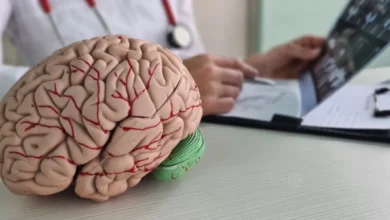
Study Reveals the Brain Mechanisms Behind Persistent Grief After the Loss of Loved Ones

The loss of a loved one is among the most profound and challenging human experiences. While grief is a natural and universal response, some individuals develop persistent, intense sadness that extends beyond the typical adaptive process. A recent study conducted by affective neuroscience teams, including researchers at Stanford University and University College London, sheds light on the brain mechanisms that may explain why, for some people, grief becomes prolonged and chronic.
-
Study Shows That Sleep Deprivation Causes Structural Damage to the Brain
-
Physical Exercise May Make the Brain Appear Younger
Normal grief involves temporary activation of neural networks associated with attachment, autobiographical memory, and emotional regulation. However, researchers observed that in individuals experiencing persistent grief—sometimes referred to as prolonged or complicated grief—certain brain regions display atypical patterns of activity. Functional magnetic resonance imaging revealed heightened activation in the nucleus accumbens, a structure linked to the brain’s reward system and emotional bonding. This finding suggests that the brain may continue to “seek” the deceased person as though their presence were still an attainable and rewarding stimulus.
At the same time, the amygdala, a central structure in processing negative emotions and fear, shows increased reactivity to reminders of the deceased. This heightened sensitivity may account for the enduring emotional intensity and the difficulty in cognitively integrating the reality of the loss. The medial prefrontal cortex, responsible for emotional regulation and perspective-taking, appears less effective in modulating these emotional responses, potentially hindering the gradual acceptance process.
-
Positive thinking strengthens immunity: A study reveals the secrets of the brain and health
-
Facial wrinkles and brain health: is there a link with dementia?
The study also highlights the role of the hippocampus in memory consolidation. In some grieving individuals, memories associated with the deceased remain exceptionally vivid and intrusive. This emotional hypermnesia may stem from sustained interaction between the hippocampus and the amygdala, reinforcing the emotional imprint of memories and complicating their integration into a coherent life narrative.
Beyond neural circuits, researchers examined neurochemical factors. Alterations in dopamine and serotonin regulation appear to contribute to the maintenance of chronic sadness. Dopamine, typically associated with motivation and reward, may play a role in the persistent longing for the lost person. Serotonin imbalances, commonly observed in depressive disorders, underscore the delicate boundary between prolonged grief and major depression.
-
A new epilepsy treatment: removing senescent brain cells as a therapeutic pathway
-
Standing on One Leg: A Simple Exercise to Strengthen Your Brain
It is essential, however, to distinguish pathological persistent grief from the natural grieving process. Grief is not a disease but an emotional adaptation to a profound rupture. Clinical studies emphasize that the duration and intensity of mourning vary widely depending on personality traits, the depth of the attachment bond, the circumstances of the loss, and the availability of social support.
These neuroscientific insights open promising therapeutic avenues. Cognitive-behavioral therapies specifically designed for prolonged grief aim to enhance emotional regulation skills and restructure cognitive patterns related to loss. Researchers are also exploring mindfulness-based interventions, which encourage nonjudgmental awareness of emotions and may help reduce stress-related neural hyperactivation.
Ultimately, this study demonstrates that persistent grief following the loss of a loved one is not solely a subjective experience but is accompanied by measurable changes in brain networks involved in attachment and reward. Understanding these mechanisms does not seek to medicalize grief but rather to provide more effective support for individuals whose suffering endures and significantly impacts their quality of life.
-
Cycling: An Unexpected Medicine to Protect the Brain from Dementia
-
Study Reveals the Impact of Music on Brain Resilience
-
Prolonged Sitting Accelerates Brain Aging in Older Adults