Druze firm stance on separatist option amid rising tensions in southern Syria
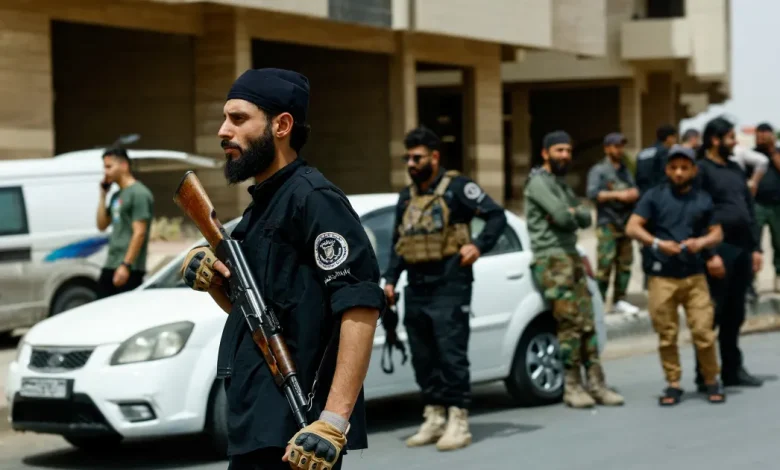
Hikmat al-Hijri praises Israel’s role in supporting his separatist orientation, suggesting the possibility that elements of the “National Guard” in Suwayda could receive direct military support from the Israeli army.
The province of Suwayda in southern Syria is moving toward a more complex phase following recent statements by the spiritual leader of the Druze Unitarian community, Sheikh Hikmat al-Hijri, who expressed a clear commitment to the option of separation from the central authority in Damascus. The remarks have sparked widespread controversy and concerns over political and security repercussions that could deepen internal divisions within the country.
-
Gunmen launch attacks on Israeli army in southern Syria
-
Syria maintains neutrality in the war against Iran
In a televised speech, al-Hijri stated that the path of “self-determination” for the Druze has become a final and irreversible choice, arguing that priority lies in preserving what he described as the “dignity of the Jabal” and managing its affairs away from any external guardianship or authority imposed by Damascus. He stressed that only the people of the region have the right to choose their leadership and determine their political and administrative future.
These statements come amid ongoing tensions between Syrian government forces and local armed groups in Suwayda, particularly the so-called “National Guard,” which is overseen by al-Hijri, with no signs of an imminent political or security settlement capable of easing months of sustained tension.
-
ISIS Member Arrested During Preemptive Strike in Eastern Syria
-
Deserted streets and closed shops: Hasakah awaits Syrian government forces
A notable aspect of the Druze leader’s remarks was his expression of gratitude toward international and regional actors that he said support the “consolidation of Druze administration,” singling out Israel for praise at both governmental and popular levels. This has revived discussions about the possibility of Israeli field-level support for the separatist movement in southern Syria.
Political and security analysts view this rapprochement as part of a broader Israeli strategy aimed at expanding its influence within the Syrian landscape by supporting local forces and minority groups, thereby limiting Damascus’s ability to fully reassert control over the country after years of war.
-
The Syrian army expands its deployment in the Jazira and secures the Tishreen Dam
-
Syrian army takes control of Deir Hafir east of Aleppo as crucial meeting held in Erbil
Western media reports have previously suggested Israeli interest in strengthening ties with Druze groups inside Syria as part of efforts to reshape the balance of power in the south. Israeli Prime Minister Benjamin Netanyahu has also repeatedly stated Israel’s willingness to protect allied minorities in the region, particularly the Druze.
Observers believe that any direct or indirect Israeli support for a self-administration project in Suwayda could give this trend political and security momentum, but at the same time open the door to further regional tensions, especially given the sensitivity of the issue of partition in Syria and Damascus’s categorical rejection of any separatist projects.
-
Israel secretly armed al-Hajri’s forces to sow chaos in Syria
-
The United States avenges the killing of its soldiers in Syria with Hawk Eye: airstrikes against ISIS
Inside Syria, growing calls for self-rule are raising fears of spillover fragmentation into other regions, as the government seeks to stabilize the country and reunify state institutions after years of conflict.
Al-Hijri also referred to what he described as economic and administrative pressure targeting Suwayda, saying the region faces attempts at siege and strangulation, while stressing that the local community is capable of overcoming these challenges through internal cohesion and the organization of its civil and security institutions.
With continued field tensions and escalating political rhetoric, Suwayda appears to be entering a phase open to multiple scenarios, ranging from continued escalation to potential new arrangements that could redefine the relationship between the province and the Syrian state, amid regional and international anticipation of developments in southern Syria.
-
Understandings between Netanyahu and Barak on regulating Israeli movements in Syria
-
The ISIS flag, from Syria to Australia: cross-border terrorism