From the Nuclear Issue to the Strait of Hormuz: Trump Reshapes the Confrontation with Iran as Escalation Knows No Limits
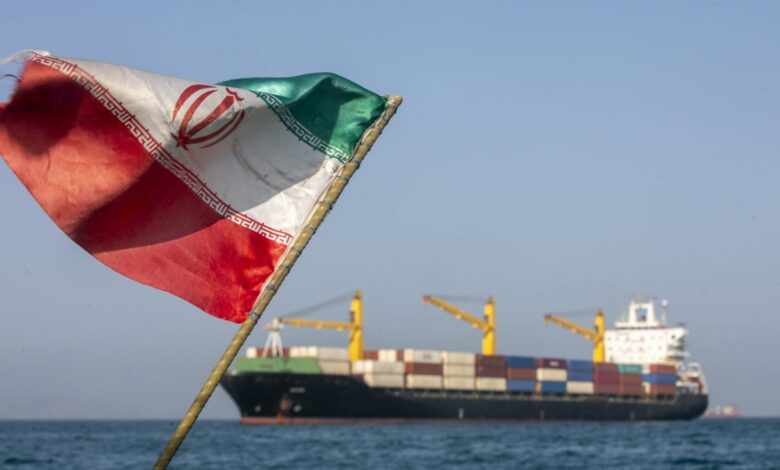
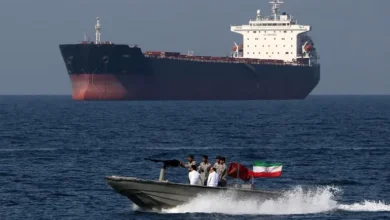
The Strait of Hormuz has become the central arena of the new confrontation between the United States and Iran following the collapse of the ceasefire.
According to the American news outlet Axios, citing officials within the US administration, the duration and intensity of military operations will depend on Tehran’s next moves, particularly whether it continues attacks against commercial vessels transiting the Strait.
A US official stated that the conflict, which initially began with the objective of weakening Iran’s missile capabilities and eliminating what remained of its nuclear program, has now evolved into a direct confrontation over the world’s most important energy shipping corridor.
The official added, “The escalation could last a day, a week, or even a month, depending on Iran’s behavior,” emphasizing that Washington is determined to “teach Iran a lesson.”
From Ceasefire to Escalation
According to the report, diplomatic efforts have been temporarily suspended, while military pressure has once again become the cornerstone of President Donald Trump’s strategy.
Trump announced that the memorandum of understanding, which had provided for a sixty-day ceasefire, was now “over” following Iran’s attacks on commercial shipping in the Strait of Hormuz.
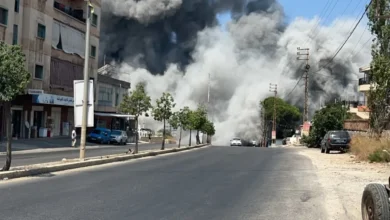
The announcement was followed by a new wave of US strikes against Iranian targets near the Strait. For the first time in several months, the operations targeted infrastructure inside Iranian territory before Washington subsequently expanded its campaign by striking dozens of military facilities, including coastal radar installations, air defense systems, anti-ship missile sites, and naval and logistical facilities.
In response, Iran vowed to retaliate, while Iranian media reported explosions in Bushehr and Chabahar. Tehran simultaneously confirmed that the Bushehr Nuclear Power Plant had not sustained any damage.
Trump’s Messages
Despite the military escalation, President Trump revealed that Iran had resumed communication with the United States.
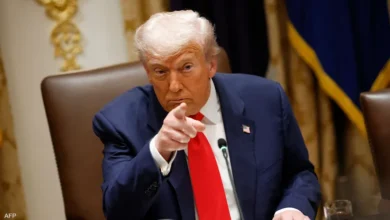
Speaking to reporters aboard Air Force One, he said, “They just contacted us. They are very eager to reach an agreement.”
However, he questioned the prospects of any successful understanding, adding, “I don’t know whether they are capable of making a deal, and I don’t know whether they would honor it.”
Trump also defended the American strikes, describing them as a response to attacks against commercial vessels in the Strait of Hormuz. He asserted that Washington had “responded with far greater force” and warned that it would retaliate “twenty times harder” should any further attacks occur.
The Strait of Hormuz at the Center of the Conflict
According to Axios, reopening the Strait of Hormuz and ensuring freedom of navigation have become the Trump administration’s primary strategic objectives because of the waterway’s critical importance to global energy markets.
Conversely, Iran considers maintaining its influence over the Strait to be one of its principal strategic assets and links any future settlement to specific arrangements governing maritime navigation through the area.
Iranian Parliament Speaker Mohammad Bagher Ghalibaf accused the United States of “breaking its promises,” claiming that “the Strait of Hormuz will only be reopened under arrangements determined by Iran.”
What Comes Next?
According to US officials, the Trump administration believes it now has greater strategic flexibility to continue escalating the confrontation after hundreds of oil tankers successfully transited the Strait in recent weeks, easing concerns about an immediate shock to global energy markets.
The White House also believes that part of Iran’s leadership has become dissatisfied with the outcome of the memorandum of understanding because restrictions on Iranian oil exports remain in place and frozen Iranian assets have not been released, developments that are viewed as contributing factors behind the renewed escalation.
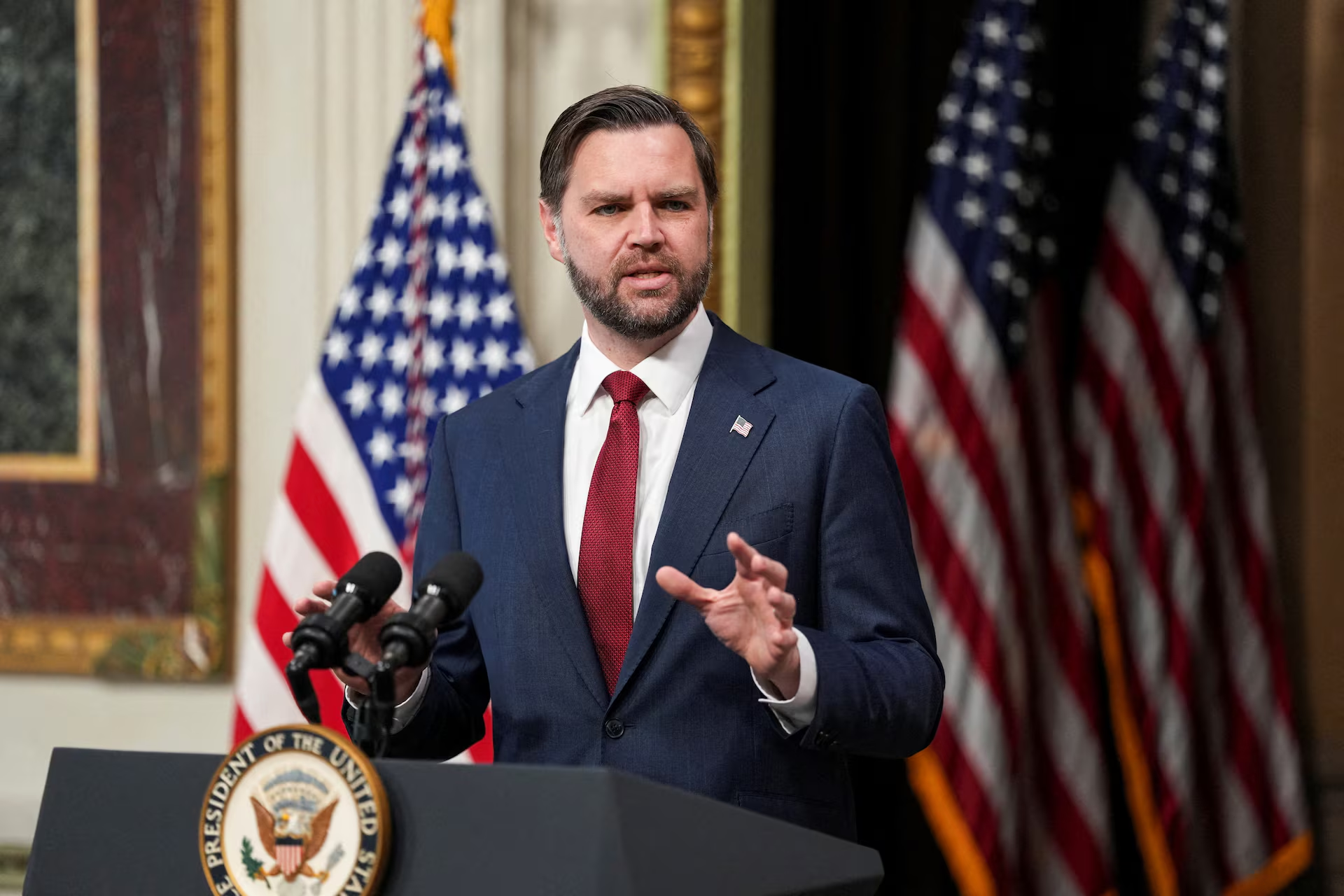
US Vice President J. D. Vance stated that Washington’s position is “clear and straightforward”: the Strait of Hormuz must remain open. He warned that any attempt to close the waterway would trigger a US military response and that military operations would continue until attacks on commercial shipping cease and freedom of navigation is fully restored.