Banana or Mango: Which Fruit Gives Your Body More Energy?
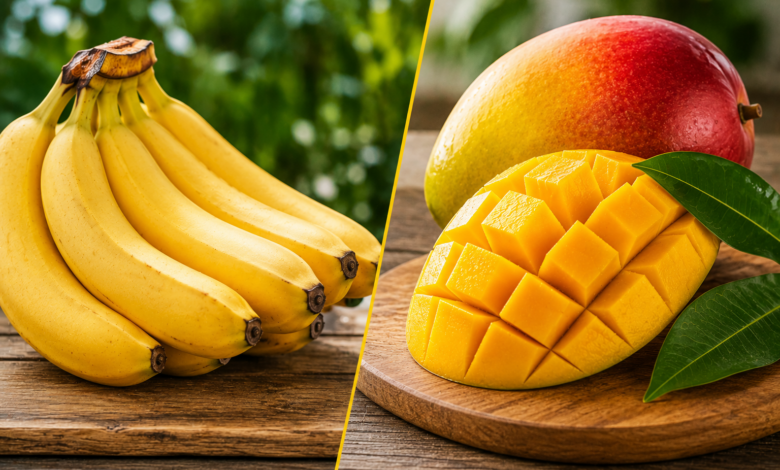
Bananas and mangoes are among the most popular tropical fruits worldwide. Both are valued for their delicious flavor, impressive nutritional profiles, and ability to provide natural energy through carbohydrates. However, when it comes to determining which fruit delivers more energy or serves as the better choice before exercise or as part of a balanced diet, the answer depends on several factors, including their carbohydrate content, fiber, vitamins, minerals, and overall nutritional composition.
Carbohydrates Are the Main Source of Energy
The energy provided by fruit comes primarily from natural carbohydrates, including fructose, glucose, and sucrose. These sugars are converted into glucose, the body’s primary fuel source for cells, muscles, and the brain.
The total amount of carbohydrates and the rate at which they are absorbed influence how much energy a person experiences after eating.
Bananas: A Favorite Among Athletes
Bananas are widely recognized as one of the best fruits for physically active individuals.
A medium-sized banana typically provides approximately 100 to 120 calories, depending on its size, along with a substantial amount of easily digestible carbohydrates.
Bananas are also an excellent source of potassium, an essential mineral that supports normal muscle contraction, nerve function, and fluid balance.
Because they combine carbohydrates, fiber, and important micronutrients, bananas make an ideal snack before or after physical activity.
Mangoes: Rich in Vitamins and Antioxidants
Mangoes generally contain slightly fewer calories than bananas when compared by weight, yet they remain an excellent natural source of energy.
They are especially rich in vitamin C, vitamin A in the form of beta-carotene, folate, and numerous antioxidant compounds.
These nutrients support immune function, skin health, and cellular protection against oxidative stress.
Their high water content also contributes to healthy hydration.
Comparing Their Energy Content
Gram for gram, bananas usually provide somewhat more calories and carbohydrates than mangoes.
However, the difference is relatively small. Both fruits offer high-quality energy when included as part of a balanced diet.
Therefore, choosing between them should depend not only on calorie content but also on overall nutritional needs.
Glycemic Index and Satiety
Less ripe bananas contain more resistant starch, which slows digestion and promotes longer-lasting fullness.
As bananas ripen, much of this starch converts into simple sugars, making their carbohydrates more readily available for energy.
Fresh mangoes also have a moderate glycemic index, and their dietary fiber helps slow sugar absorption.
In both cases, eating the whole fruit is preferable to drinking fruit juice, which contains less fiber and may cause a faster rise in blood sugar.
Which Fruit Is Better for Different Situations?
Bananas may be especially beneficial:
- Before physical exercise.
- After workouts to replenish energy stores.
- As a filling snack between meals.
Mangoes may be preferable:
- For increasing vitamin A and vitamin C intake.
- As part of an antioxidant-rich diet.
- In fruit salads or balanced meals.
Shared Health Benefits
Both bananas and mangoes provide numerous nutritional advantages.
They supply:
- Dietary fiber that supports digestive health.
- Essential vitamins and minerals.
- Antioxidants that protect cells from oxidative damage.
- Natural carbohydrates that provide readily available energy.
Regular consumption of either fruit can contribute to a healthy dietary pattern that supports cardiovascular, digestive, and immune health.
Can You Eat Them Together?
Absolutely. Combining bananas and mangoes allows you to benefit from the strengths of both fruits.
When paired with plain yogurt, oats, or a handful of nuts, they create a balanced breakfast or snack that provides carbohydrates, protein, healthy fats, fiber, and a wide variety of essential nutrients.
If the primary goal is maximizing energy intake, bananas offer a slight advantage because they generally contain more carbohydrates and calories. However, mangoes stand out for their exceptional levels of vitamins, antioxidants, and protective plant compounds. Nutrition experts emphasize that these fruits should not be viewed as competitors but rather as complementary components of a varied and balanced diet. The best choice ultimately depends on individual nutritional needs, lifestyle, and health goals.