U.S. Military Delegation to Visit Lebanon to Prepare for Israeli Withdrawal
The U.S. ambassador to Beirut stated that relocating the meetings between the Lebanese, American, and Israeli delegations from Washington to Rome was prompted by technical reasons related to facilitating the travel arrangements of ambassadors.
U.S. Ambassador to Lebanon Michel Issa announced on Thursday that an American military delegation would arrive in Lebanon within the coming days to prepare for the launch of operations in the designated pilot areas, amid significant obstacles posed by Israel, which is accused of attempting to evade the commitments contained in the framework agreement, particularly regarding military withdrawal.
Speaking after a meeting with Lebanese President Joseph Aoun, Issa said, according to a statement issued by the presidency, that preparations were underway to implement the agreed arrangements concerning the pilot areas and to begin the withdrawal process.
On June 26, Beirut and Tel Aviv signed a U.S.-brokered framework agreement in Washington providing for a phased Israeli withdrawal from all occupied Lebanese territories, beginning with two pilot areas.
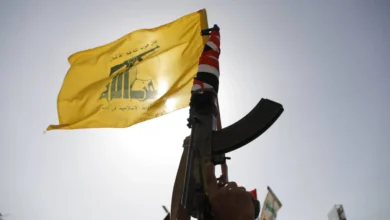
The agreement does not establish a specific timetable for the withdrawal. Instead, it links the process to the Lebanese Armed Forces assuming full security responsibility in the evacuated areas and to the disarmament of armed groups, with particular reference to Hezbollah.
The ambassador added that it was essential to avoid any security vacuum following the withdrawal of Israeli forces from the designated areas. The date for the beginning of implementation on the ground will be determined following the outcome of the coordination meetings.
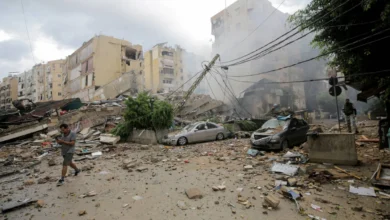
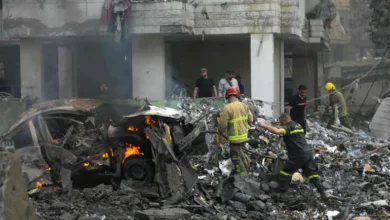
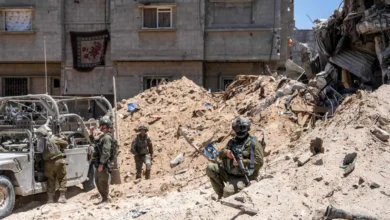
Israel occupies several areas in southern Lebanon, some of which have been under its control for decades, while others have been occupied since the 2023–2024 conflict. During the current military campaign, Israeli forces advanced more than ten kilometers into Lebanese territory.
Following several rounds of negotiations between Lebanon and Israel in Washington, the next round is scheduled to take place in Rome on July 14 and 15.
Issa explained that moving the meetings between the Lebanese, American, and Israeli delegations to Rome was motivated by technical considerations aimed at facilitating the travel of ambassadors and delegation members. He added that the Rome meeting would focus on organizational and operational aspects of implementing the framework agreement, particularly the establishment of specialized working groups responsible for carrying out the arrangements reached in Washington, which may require legal and technical experts.
He stressed that the understandings reached in Washington would be further developed in Rome and that several additional meetings would be held in the Italian capital or elsewhere to oversee implementation according to the agreed phases.
Despite these efforts, Israel continues to place obstacles in the way of implementing the agreement. Israeli Defense Minister Israel Katz stated on Thursday that Israel does not need anyone’s permission to remain in Lebanon, declaring in a statement: “We did not ask anyone’s permission to enter Lebanon, and we do not need anyone’s permission to remain there.”
In recent weeks, differences have surfaced between Washington and Tel Aviv, particularly regarding U.S. negotiations with Iran and Israel’s continuing military operations in Lebanon.
Katz stated that “we have both the right and the duty to protect the residents of the Galilee and the citizens of Israel from Hezbollah’s threats, which seek to destroy Israel,” according to his remarks. He added: “We have established a fortified security zone in Lebanon, extending from the Mediterranean Sea in the west to the Beaufort (Shaqif) complex and the approaches to Mount Hermon in the east.”
He further stated that the area is “free of civilians and free of what he described as terrorist infrastructure above and below ground,” adding: “As Prime Minister Benjamin Netanyahu and I have made clear, we will remain in the security zone in Lebanon and operate from within it whenever necessary.”
Finally, Katz stated that any Israeli withdrawal would be contingent upon Hezbollah being disarmed throughout Lebanon and the elimination of any threat to the residents of northern Israel.