Israeli Military Assessment: Hamas Is Growing Stronger, and War Is the Only Option
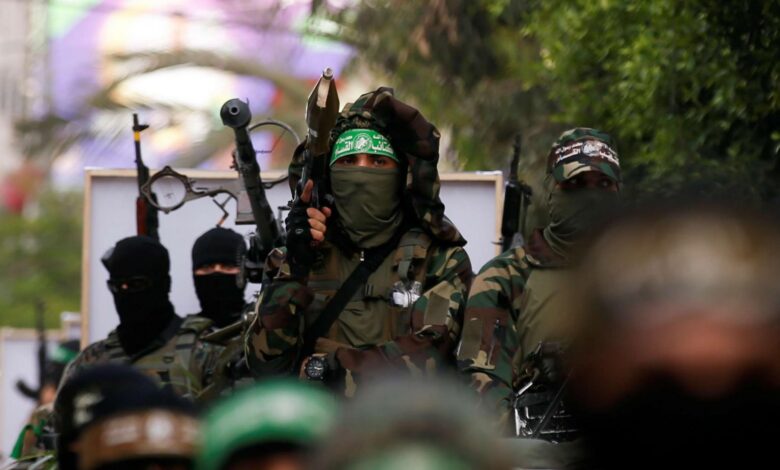
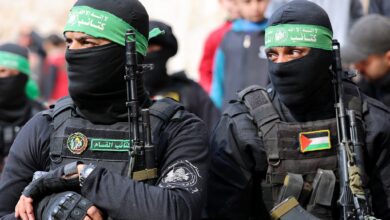
An intelligence report presented by the Israeli military to US military officers and Israeli government officials states that Hamas is preparing for renewed fighting in the Gaza Strip.
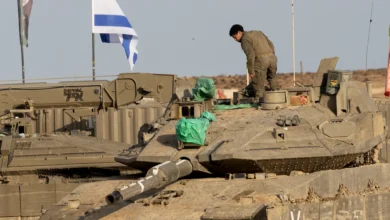
According to the report, revealed on Thursday by the Israeli newspaper Haaretz, the military believes that disarming Hamas can only be achieved by resuming military operations and entering areas currently outside Israeli control.
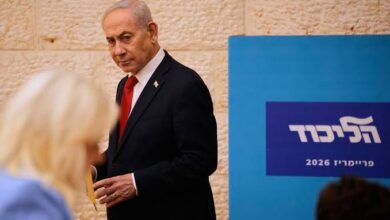
The report comes as Benjamin Netanyahu’s government hesitates to cooperate fully with the implementation of the 20-point US peace plan, which relies in part on the group handing over its weapons to an international body.
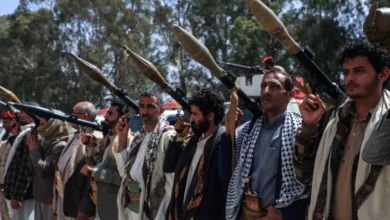
Senior Israeli military officials told their US counterparts that Hamas refuses to surrender its weapons to any international body and intends to retain its military capabilities.
This position, also conveyed to Israel’s political leadership, amounts to a categorical assessment that the international force cannot carry out disarmament and that returning to combat is the only way to achieve it. Estimates presented during discussions within Israel’s security establishment put Hamas’s current membership at between 30,000 and 40,000.
The Israeli military and the domestic security service, Shin Bet, warned that Hamas is resisting disarmament and “violating the agreement’s provisions daily”, contradicting the fundamental principles of the US plan.
No date has yet been set for renewed fighting, and there is currently no intelligence indicating that Hamas has a specific operational plan. Nevertheless, sources familiar with the details say the intelligence assessment is “unequivocal”: the group has no intention of voluntarily surrendering its weapons.
Restoring the Tunnels
The military report highlights Hamas’s reconstruction of its military infrastructure. The group has restored a substantial portion of its tunnel network in areas outside Israeli control. It also maintains weapons stockpiles in populated areas and in locations where the Israeli military avoided ground operations during the war, partly over concerns about the presence of hostages.
According to the Israeli military’s assessment, Hamas has also achieved relative economic stability in recent months thanks to financial transfers from outside Gaza, primarily from Iran and Türkiye. The group needs cash to pay its members and civilian employees. It receives some funds in cryptocurrency and pressures money changers to provide $100 in cash in exchange for $130 in digital currency, enabling it to finance its military and governmental activities.
Israel’s military and intelligence agencies regard Hamas as the dominant governing authority in Gaza, with no substantial force on the ground capable of challenging its control. Palestinian clans, which Israel had hoped would provide a local alternative, have seen their influence decline significantly.
The Decline of the Local Alternative
During periods of the war, some clans strengthened their influence by controlling aid distribution in areas where Hamas’s grip had weakened. However, as more aid entered areas under the group’s control, residents became less dependent on those clans.
Although Israel maintains certain contacts with some clans, their strategic importance has diminished. Establishing a local alternative to Hamas rule is therefore considered unrealistic under the Israeli assessment.
The Israeli military and intelligence agencies believe Hamas continues to consolidate its control, raise funds and rebuild its infrastructure while the Israeli government and the United States develop plans for Gaza’s future and its disarmament.
A military source familiar with the matter says Hamas is rebuilding its military strength and preparing a campaign on the international stage, while Israel struggles to formulate a comprehensive policy addressing the military, civilian and political challenges.