Can At-Home LED Face Masks Replace Your Everyday Skincare Products?
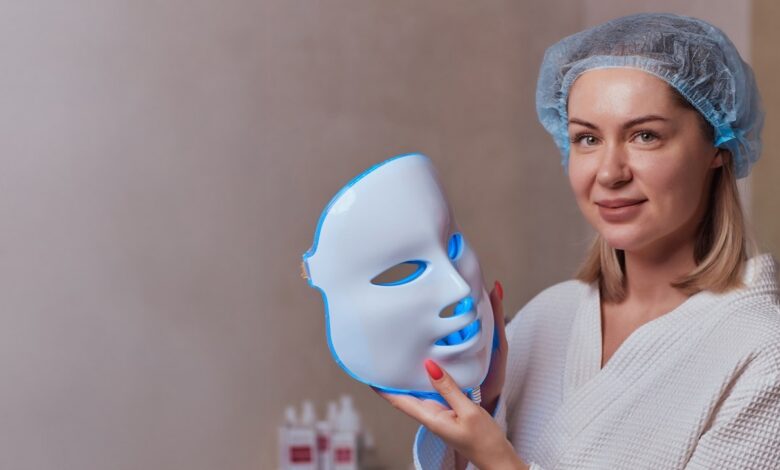
At-home LED face masks are becoming increasingly popular among people looking to improve their skin without relying on frequent beauty clinic appointments or dermatological treatments. Marketed as devices that can stimulate skin renewal, reduce blemishes and soften visible signs of ageing, they have quickly become part of the growing home skincare industry.
Their appeal lies in the promise of a convenient, relatively simple treatment that can be incorporated into an everyday beauty routine. However, an important question remains: can these devices genuinely replace moisturisers, serums and other skincare products, or should they be viewed as an additional step alongside traditional skincare?
Understanding their potential benefits requires looking at how LED light therapy works and how its effects differ from those of conventional cosmetic products.
How Do LED Face Masks Work?
LED face masks use different wavelengths of light to interact with the skin. Unlike ultraviolet-based devices, most LED skincare products rely on visible light or near-infrared wavelengths.
Different colours correspond to different wavelengths and may produce distinct biological effects.
Red light has attracted particular attention because of its potential to influence cellular activity, support certain skin-repair processes and stimulate collagen production. Collagen is an essential protein responsible for maintaining skin firmness and elasticity. As people age, collagen production naturally declines, contributing to wrinkles and reduced skin firmness.
Blue light, meanwhile, is primarily used in skincare treatments targeting acne-prone skin. It can act against certain bacteria involved in inflammatory acne.
Some devices combine several colours to address different skin concerns. However, their effectiveness depends on several factors, including wavelength, light intensity, treatment duration and consistency of use.
Can LED Masks Actually Improve Skin Quality?
Research suggests that LED phototherapy may help improve certain aspects of skin health and appearance.
Red-light therapy has been investigated for its potential to reduce the appearance of some fine lines, improve skin texture and support natural repair mechanisms. However, results can vary considerably depending on individual characteristics and the specifications of the device.
Blue light may also be beneficial for people experiencing mild to moderate acne. It can help reduce certain bacteria associated with inflammatory lesions, although it is not a universal treatment for every type of acne.
It is important, however, to avoid viewing these devices as miracle treatments. Improvements are generally gradual and may require consistent use over several weeks. Furthermore, home-use devices are often less powerful than professional equipment available in dermatology clinics and specialised treatment centres.
Why LED Masks Cannot Replace Traditional Skincare Products
Although LED masks may offer certain benefits, they work differently from conventional skincare products. Light therapy primarily uses specific wavelengths to influence biological processes in the skin, whereas creams and serums deliver ingredients designed to hydrate, protect or address particular skin concerns.
Moisturisers, for example, help maintain the skin barrier and reduce water loss. Products containing hyaluronic acid support hydration, while ceramides help strengthen the skin’s outer protective layer.
Other ingredients, such as vitamin C, may help protect the skin against oxidative stress and improve overall radiance. Retinol, when properly tolerated and used according to appropriate guidance, can encourage skin renewal and improve the appearance of wrinkles and certain skin irregularities.
LED masks do not perform these same functions. They cannot replace daily moisturising, sun protection or targeted treatments for specific dermatological conditions.
Sun Protection Remains Essential
One of the most important elements of any skincare routine is protection against ultraviolet radiation.
Repeated exposure to sunlight contributes to premature skin ageing, pigmentation changes and an increased risk of skin cancer.
Even people who regularly use LED face masks must continue applying an appropriate sunscreen during the day.
LED devices do not block ultraviolet radiation or protect the skin against sun-related damage. They therefore cannot replace broad-spectrum sunscreen.
Are All LED Face Masks Equally Effective?
The market now offers a wide range of LED devices with significant differences in price, power, design and technical specifications.
Some products feature several light colours and claim to address wrinkles, acne, redness and other imperfections simultaneously. However, having more colours does not necessarily mean that a device is more effective.
Before purchasing an LED mask, consumers should consider several important factors:
- The actual wavelengths used and whether they are appropriate for the intended skin concern.
- The device’s light intensity and power output.
- The recommended duration of each treatment session.
- Manufacturing quality and the reliability of the company.
- Safety recommendations and potential contraindications.
- Whether clinical evidence is available for the specific device.
Consumers should also be cautious about marketing claims promising the rapid disappearance of wrinkles, complete acne removal or dramatic rejuvenation after only a few sessions.
What Are the Potential Risks of LED Light Therapy?
LED face masks are generally considered well tolerated when used according to the manufacturer’s instructions. Nevertheless, they are not entirely risk-free.
Some users may experience temporary redness, irritation or a sensation of warmth following treatment. Inappropriate exposure may also cause eye discomfort, particularly when devices do not provide adequate eye protection.
People with photosensitive conditions, those taking medications that increase sensitivity to light and individuals with certain skin disorders should seek medical advice before using these devices.
Following the recommended exposure time is essential. Increasing the frequency or duration of sessions in the hope of achieving faster results does not necessarily improve effectiveness and may increase the likelihood of unwanted reactions.
How Can an LED Mask Fit Into a Skincare Routine?
For people interested in trying LED phototherapy at home, the device can be incorporated into a simple and balanced skincare routine.
The skin should generally be clean and free from makeup before treatment. The mask should then be used according to the manufacturer’s instructions, respecting the recommended treatment duration and frequency.
After a session, applying a moisturiser suited to the individual’s skin type can help maintain hydration and support the skin barrier.
In the morning, sunscreen remains an essential part of the routine, regardless of whether an LED mask is being used.
It is also advisable to avoid combining several potentially irritating devices or skincare ingredients without understanding how they interact. People with sensitive or reactive skin may benefit from consulting a dermatologist before introducing LED therapy.
A Useful Addition, Not a Complete Skincare Replacement
At-home LED face masks may offer an interesting additional option for people seeking gradual improvements in their skin’s appearance. Their potential benefits depend on several factors, including device quality, consistency of use and the specific skin concern being targeted.
However, they cannot replace products responsible for hydration, strengthening the skin barrier or protecting against ultraviolet radiation. Nor should they be considered an alternative to medical treatments when a dermatological condition requires professional care.
Ultimately, LED masks are best viewed as an additional skincare tool rather than a replacement for an entire beauty routine. A balanced approach combining gentle cleansing, moisturising, daily sun protection and targeted treatments when necessary remains the foundation of healthy skin.