Cutting Back on Salt: An Important Step Towards Lower Blood Pressure, but Is It Enough?
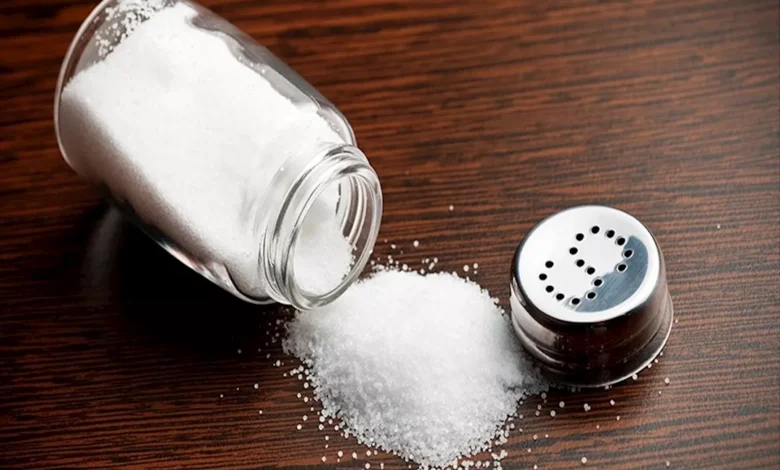
Reducing salt intake is widely recommended as one of the first steps towards preventing and managing high blood pressure. The reasoning is straightforward: excessive sodium consumption encourages the body to retain water, increases blood volume, and can place additional pressure on blood vessel walls. However, although limiting salt is an important part of cardiovascular health, it does not always provide enough benefit on its own to bring blood pressure under control.
High blood pressure, also known as hypertension, is a chronic condition influenced by several interconnected factors. Diet plays a significant role, but it is far from the only factor affecting blood pressure readings. Age, genetic predisposition, excess body weight, physical inactivity, alcohol consumption, chronic stress and certain medical conditions can all contribute to the development or worsening of hypertension.
How Does Salt Affect Blood Pressure?
Table salt is primarily composed of sodium chloride. Sodium is an essential mineral that supports several important bodily functions, including nerve signalling, muscle contraction, and fluid balance.
However, consuming too much sodium can make it more difficult for the kidneys to maintain the body’s fluid balance. Excess sodium encourages water retention, increasing the amount of fluid circulating through the bloodstream. This can place additional strain on blood vessels and contribute to higher blood pressure.
Not everyone responds to sodium in the same way. Some individuals experience a noticeable reduction in blood pressure when they cut back on salt, while others see more modest improvements. This variation can be influenced by age, kidney function, genetic factors, and overall health.
Reducing Salt Helps, but It Has Its Limitations
Lowering sodium intake can have a meaningful impact on blood pressure, particularly among people who already have hypertension or are especially sensitive to salt.
Nevertheless, blood pressure is not determined by sodium consumption alone. Someone may follow a low-salt diet and still experience elevated blood pressure if other risk factors remain unaddressed.
Excess body weight, for example, can increase the workload placed on the heart and interfere with the mechanisms responsible for regulating blood pressure. Physical inactivity can also contribute to metabolic problems and poorer cardiovascular health.
For this reason, reducing salt should be considered one element of a broader health strategy rather than a standalone solution.
Overall Dietary Habits Matter Just as Much
Managing blood pressure involves more than simply removing the salt shaker from the dining table. The overall nutritional quality of everyday meals is equally important.
Processed and packaged foods are among the main sources of dietary sodium. Bread, cheese, processed meats, ready-made soups, commercial sauces, canned products and prepared meals can contain substantial amounts of salt, even when they do not taste particularly salty.
By contrast, a diet rich in fresh fruit, vegetables, legumes, whole grains and minimally processed foods generally provides a better nutritional balance.
Potassium also deserves attention. This mineral is found in foods such as bananas, leafy green vegetables, potatoes, beans and lentils. It helps regulate sodium balance and supports normal blood vessel function.
However, people with kidney disease or those taking certain medications should consult a healthcare professional before significantly increasing their potassium intake.
Physical Activity Provides Additional Protection
Regular exercise is another important tool for improving cardiovascular health and helping to lower blood pressure.
Activities such as brisk walking, cycling, swimming and other forms of moderate exercise can improve circulation, strengthen the heart and support a healthy body weight.
The benefits do not require an intensive training programme. Consistent physical activity adapted to individual abilities can already make a difference. Maintaining a regular routine is generally more important than exercising intensely on occasional days.
General recommendations for adults include at least 150 minutes of moderate-intensity physical activity per week, alongside muscle-strengthening exercises.
Weight Management, Sleep and Stress Also Play a Role
Maintaining a healthy body weight can contribute to better blood pressure control. For people living with excess weight, gradual weight loss may reduce strain on the cardiovascular system and improve several metabolic health indicators.
Sleep is another important factor. Regularly sleeping too little, experiencing poor-quality sleep or having a condition such as obstructive sleep apnoea may increase the risk of developing hypertension.
Chronic stress should not be overlooked either. When the body is repeatedly exposed to stressful situations, it activates hormonal and nervous system responses that can temporarily increase heart rate and blood pressure.
Over time, unhealthy coping habits, including insufficient sleep, excessive alcohol consumption and poor dietary choices, may further contribute to cardiovascular problems.
Should Salt Be Completely Eliminated?
The aim is not to eliminate sodium entirely, since the body needs this mineral to function properly. Instead, the priority should be to avoid excessive consumption and maintain a reasonable daily intake.
A widely accepted recommendation for adults is to consume no more than approximately 5 grams of salt per day from all food sources combined. This is equivalent to roughly 2 grams of sodium.
Several practical changes can help reduce daily salt consumption:
- Limit processed meats, smoked products and heavily processed foods.
- Read nutritional labels and compare sodium levels between products.
- Prepare more meals using fresh ingredients.
- Replace some of the salt used in cooking with herbs, lemon juice, garlic and spices.
- Avoid automatically adding salt before tasting food.
- Choose fresh vegetables and legumes instead of heavily salted canned alternatives.
These adjustments can gradually change eating habits without making meals less enjoyable.
When Is Medical Treatment Necessary?
Even after adopting a balanced diet, exercising regularly and reducing salt consumption, some people continue to have high blood pressure.
In such cases, medical assessment is essential to identify possible contributing factors and determine the most appropriate treatment. Depending on the individual’s blood pressure readings and overall cardiovascular risk, a healthcare professional may prescribe antihypertensive medication alongside lifestyle changes.
Regular blood pressure monitoring is particularly important because hypertension often develops without noticeable symptoms. Not experiencing headaches, dizziness or fatigue does not necessarily mean that blood pressure is within a healthy range.
People already taking medication for hypertension should never reduce their dosage or stop treatment without medical advice, even if their dietary habits have improved.
A Comprehensive Approach to Long-Term Cardiovascular Health
Reducing salt intake is a valuable and scientifically supported measure for managing blood pressure. However, its effectiveness also depends on other lifestyle habits and individual health characteristics.
A balanced diet, regular exercise, healthy weight management, sufficient sleep, and appropriate medical follow-up all support better cardiovascular health.
Ultimately, protecting the heart and blood vessels requires more than simply cutting out salt. A comprehensive and sustainable approach offers the strongest foundation for controlling hypertension and reducing the risk of long-term complications.