A Secret Zero Hour: How Does Israel Plan to Surprise Iran for a Third Time?
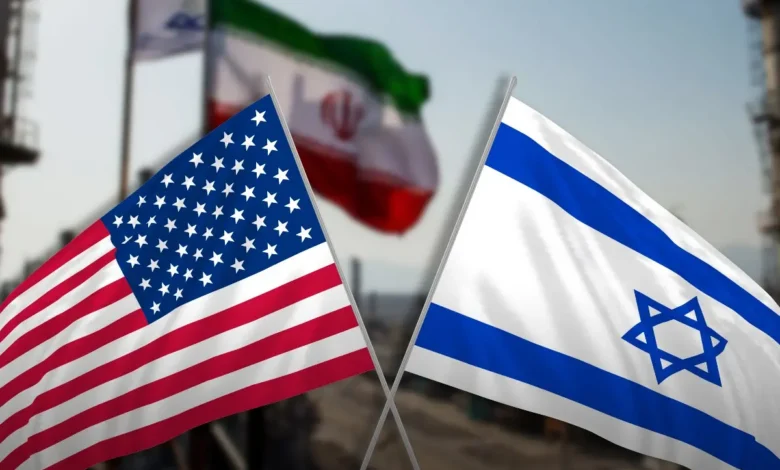
Prime Minister Benjamin Netanyahu is leading Israeli preparations for a military strike against Iran. For him, keeping its timing secret remains one of the keys to success.
This approach is not new for Netanyahu. It is precisely what he did before Israel’s two previous attacks on Iran.
Before the June 13, 2025, offensive, Israel deliberately circulated misleading leaks suggesting disagreements with Washington, giving Tehran a sense of security before the surprise strike.
Disinformation
Ahead of the joint Israeli-US attack on February 28, 2026, Israel deliberately spread misleading information about its timing in cooperation with US President Donald Trump. This enabled concentrated strikes that killed dozens of Iranian leaders.
The atmosphere in Israel today resembles those earlier periods. Israeli media are filled with analyses suggesting that Israel and the United States have not agreed to launch an attack.
At the same time, the Israeli military makes no secret of remaining on maximum alert, accompanied by continuing air force exercises.
Awaiting a Green Light
According to information relayed by Israeli military analysts, the military has prepared a target list alongside its exercises and intends to strike once it receives authorisation. The Israeli public also appears prepared for the prospect of an attack.
Israeli commentators increasingly frame the question as “when”, rather than “if”.
On Thursday evening, Amir Bohbot, military analyst for the Israeli news website Walla, said: “The security leadership believes this is the right time to act, before Tehran restores its military capabilities.”
Amid suggestions in Israel that an attack is only days away, Bohbot wrote in an analysis: “There is consensus within the military establishment that this is the optimal time to strike the Iranians, particularly before they can advance efforts to rebuild their defensive and offensive capabilities, provided such action is conducted jointly with the US military and a regional coalition.”
The Key to a Potential Attack’s Success
He continued: “Military officials stress that success would depend on close coordination between the Israeli and US militaries at every level. Regardless of any political decision, professional consultations and briefings are therefore taking place around the clock. If the US president decides to attack, the transition from maximum alert and readiness to execution would be extremely rapid.”
According to military sources cited by Bohbot, the assessments and information exchanged with US Central Command (CENTCOM) go beyond intelligence-sharing about the target list, Iranian intentions or battlefield movements. Planning also includes responses to a wide range of possible scenarios.
Israel’s Home Front
Netanyahu has recently sought to build domestic consensus for a military strike against Iran amid continuing accusations that he is planning an attack for personal reasons.
On Wednesday, he met former prime minister and Together party leader Naftali Bennett for approximately two and a half hours and apparently persuaded him of the need to attack.
On Thursday, Yisrael Beiteinu leader and parliamentary Foreign Affairs and Defence Committee chairman Avigdor Lieberman was invited to meet the prime minister’s military adviser. The meeting was intended to present the information available to Netanyahu that underpins his insistence on an urgent strike.
Associates of prime minister-designate Gadi Eisenkot, meanwhile, have suggested there is no urgent need for an immediate strike and that action could wait until a government is formed. It remains unclear whether this reflects a genuine assessment or military deception.
Why Does Netanyahu Need Domestic Consensus?
Local reports attribute Netanyahu’s need for consensus to concerns about potential casualties and damage on Israel’s home front.
Bohbot said: “At the height of the last conflict, the Iranians launched approximately two hundred precision ballistic missiles towards Israel’s home front in a single night. There are concerns that they will seek to increase the damage through various means. Defence officials therefore believe any campaign against Iran must combine surprise, extreme aggressiveness, broad scope and high destructive power.”
He added: “The defence establishment also does not rule out the possibility that Iran could conclude an attack is imminent and launch a pre-emptive strike. That scenario would confront the United States and Israel with a fundamental question: should they strike first?”
Could Iran Surprise Israel Instead?
Avi Ashkenazi, military analyst for Maariv, questioned whether Iran might surprise Israel rather than the reverse, and whether Israel could genuinely catch Tehran off guard again.
In an analysis published on Thursday evening, he quoted a senior Israeli military source as saying: “It is unlikely that we can surprise Iran for a third time. The likelihood of them making the first move appears greater. The Israeli military’s main challenge is to devise a plan for any potential escalation with Iran that includes elements of surprise. That is an extremely complicated task at present.”
The source continued: “Today’s circumstances are very different from the previous two rounds. In the first, called ‘A People Like a Lion’, we reached Tehran and struck them, appearing suddenly as if from nowhere. The second campaign, ‘Lion’s Roar’, followed a relatively long ceasefire. The Iranians were then preoccupied with domestic affairs amid widespread internal unrest, enabling us to surprise them a second time.”
“Now the situation is completely different: an actual war is already under way. The Iranians are carrying out attacks in the Gulf almost daily, and the Americans are responding. There are extensive discussions and movements behind the scenes, making the possibility of surprising them now almost nonexistent.”
What Might a Third Round Look Like?
The Israeli military source added: “A third round, if it occurs, will most likely take the form of an American decision to intensify operations. We are fully familiar with Iran’s military capabilities and assets, including long-range missiles and a limited number of defensive systems. We know how to address both threats because we have faced them before.”
Ashkenazi noted that the Israeli military currently maintains maximum alert for defensive operations.
He quoted a military official as saying: “Israel’s readiness ahead of the weekend and the start of next week remains consistent with the situation over recent months, since the end of the ‘Lion’s Roar’ confrontation.”
The official added: “Late last month, Home Front Command held an extensive discussion on the best ways to prepare the Israeli public for another conflict with Iran. Assuming the United States initiates the campaign, the Israeli military and defence establishment believe the Americans will notify them shortly before the attack begins.”
A Secret That Could Remain Unknown Even to Some Troops
Ashkenazi reported that assessments suggest that “despite this warning, the Israeli public would not be informed. The military establishment wants to prevent leaks that could jeopardise the success of the American offensive”.
He added: “During the warning period, the Israeli military could make operational preparations out of public view. The circle of people informed might expand, as it did before the planned strike under Operation ‘A People Like a Lion’. It would nevertheless remain restricted to a very small number of essential officials, such as airline executives responsible for preparing the relocation of Israel’s civilian aircraft fleet or figures in the energy sector.”
“As in the scenario of an Israeli-led strike, the military might raise the alert level of additional units as the attack approaches. Home Front Command rescue battalions could, for example, be deployed to designated areas under a particular pretext, leaving the soldiers themselves unaware of their mission’s real purpose.”
He continued: “The borders, particularly in the north, could also be placed on maximum alert. Public preparedness measures would begin only after the first wave of strikes against Iran. Home Front Command and the military would then implement measures based on updated assessments, taking into account the scale of the American strike, the specific targets hit and Iran’s ability to respond.”
Military officials expect these preparations to differ from those during Operation “A People Like a Lion”, he said, because Israel would not be initiating the attack in this scenario but coordinating with the US military.
It remains unclear whether sirens would be activated in Israel to alert the public, as they were during the summer.
Ashkenazi added that Home Front Command might ask media organisations to activate their studios and newsrooms to provide urgent, real-time updates.