Doomsday Fever Sweeps America as Security Fears Revive a Cold War Atmosphere
Preparing for the end of the world has become widespread in the United States amid fears of cyberattacks.
An emergency-preparedness craze has spread online, driven by concerns about AI-powered cyberattacks, vulnerable electricity grids, transport shutdowns and international threats.
According to US news outlet Axios, crisis preparedness is finding a growing audience across different sections of American society, with people assembling emergency bags and stocking up on water and non-perishable food.
Growing Uncertainty
Michael Mills, a senior lecturer at the University of Greenwich who studies doomsday preparedness, said some people were adopting “simplified versions” of traditional prepping practices amid mounting doubts about global stability.
Byron Walker, founder and chief executive of Survival Frog, a retailer specialising in survival equipment such as emergency food and radios, said the company’s sales jumped 450 per cent between October 27 and November 16 compared with the preceding weeks.
Walker said competitors had seen similar trends, noting that most of Survival Frog’s new buyers were first-time customers.
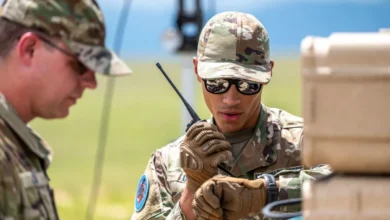
Food, including canned meat, topped shopping lists, followed by products such as radios, solar-powered generators, battery packs and water filters.
Fears and Preparations for Crises
Recent weeks have brought disruptions to systems supporting travel, communications, business, food, healthcare and other essential activities, whether caused by technical failures or deliberate sabotage.
Despite officials’ assurances that these incidents are not fundamentally connected, fears of critical infrastructure collapse are growing, prompting more people to consider how to prepare.
“Preparing for crises seems to be becoming more mainstream. You cannot follow the news without hearing about another cyberattack or technological breakdown,” Walker said.
As many Americans learned during the Covid-19 pandemic, supply-chain disruptions underscore the value of keeping extra water, radios, and long-life food at home.
Meanwhile, Krystal, known online as the “Doomsday Queen”, spends approximately five hours a day teaching beginners emergency-preparedness skills.
She told Axios that engagement with her online content had more than doubled, describing the response as “astonishing”.
“Families are generally worried—even those who previously dismissed the idea completely, believing nothing could happen,” she said.
“We have experienced lockdowns, supply-chain disruptions, oil crises and inflation,” she added.
Unsettling Technological Incidents
Mills said the convergence of unusual technological incidents had heightened “a sense of anxiety about the social stability around us: we now realise that planes can stop flying or refrigerators can suddenly turn into heaters”.
Against this backdrop, Costco has become a major destination for worried shoppers, with reports indicating sharp increases in sales of rice, canned food and water.
Walker attributed his company’s sales surge to calls from the UK government and the European Union for households to maintain three days of supplies. He also cited a US Department of War, or Pentagon, plan intended to ensure military bases can operate for at least 90 days if civilian systems fail.
The plan fuelled rumours of a possible 90-day “total blackout” in the United States.
In an interview with Fox News, US Vice President JD Vance said some friends had asked whether they should “build a bunker” or stockpile food and water.
“My answer is no: we do not see any crisis on the horizon,” he said.
Krystal responded in a video: “Yes, we should prepare.” She told Axios that her intention was not to cause panic, adding: “Every additional person who is prepared is one fewer person we need to worry about if a crisis occurs.”