Do glasses weaken eyesight? Debunking a common misconception
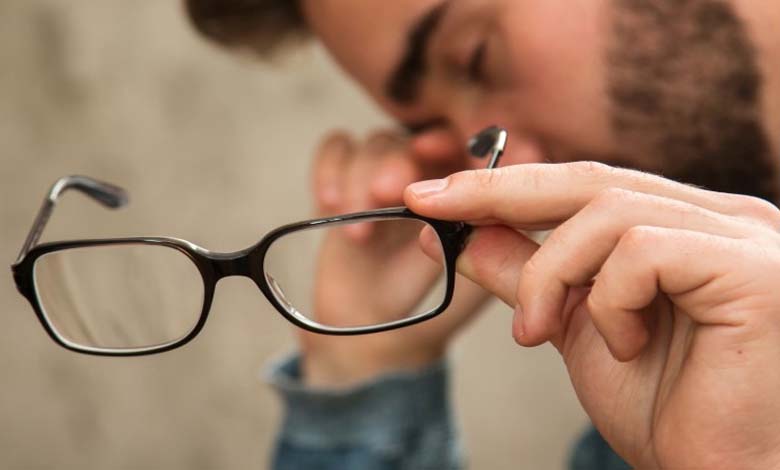
Wearing glasses is one of the most common solutions for correcting vision problems such as myopia, hyperopia, astigmatism, and presbyopia. However, a widespread belief persists that wearing glasses gradually weakens eyesight. This misconception is largely based on subjective perceptions rather than scientific evidence.
Understanding how vision works and the role of glasses helps clarify this issue and dispel misunderstandings. Far from being harmful, glasses are an essential corrective tool with overall beneficial effects on visual health.
How vision works and the origin of visual disorders
Vision depends on the eye’s ability to focus light onto the retina, located at the back of the eye. This focusing process is influenced by the shape of the cornea and the lens, as well as the length of the eyeball.
In myopia, images are focused in front of the retina, resulting in blurred distance vision. In hyperopia, images are focused behind the retina, making near vision difficult. Astigmatism is caused by an irregular curvature of the cornea, while presbyopia is associated with aging of the lens.
These conditions are not caused by wearing glasses but by genetic, anatomical, and age-related factors. Glasses simply correct how light is focused without altering the structure of the eye.
The role of glasses in vision correction
Glasses work by altering the path of light rays before they enter the eye. Corrective lenses compensate for refractive errors, allowing images to be properly focused on the retina.
By providing clear vision, glasses reduce eye strain, improve visual comfort, and enhance daily functioning. They do not treat the underlying cause of visual disorders but effectively correct their effects.
It is important to emphasize that glasses do not weaken eye muscles. Contrary to popular belief, the muscles involved in focusing do not become “lazy” as a result of wearing glasses.
Why some people feel their vision worsens
The perception that vision worsens after wearing glasses can be explained by several factors. First, many visual conditions naturally progress over time, regardless of correction. For instance, myopia often progresses during childhood and adolescence.
Second, once individuals become accustomed to clear vision with glasses, the contrast with uncorrected vision becomes more noticeable. This can create the impression that eyesight has deteriorated, when in reality it is simply a heightened awareness of the existing condition.
Additionally, incorrect prescriptions or poorly fitted lenses can cause visual discomfort and a perceived decline in vision. This highlights the importance of regular eye examinations.
The importance of proper correction
Wearing the correct prescription is essential for maintaining visual quality and preventing complications. Inadequate or inappropriate correction can lead to eye strain, headaches, difficulty concentrating, and worsening symptoms.
In children, early correction of vision problems is crucial for proper visual and cognitive development. Uncorrected vision issues can negatively impact learning and academic performance.
In adults, especially those who spend long hours in front of screens, glasses help reduce eye fatigue and improve daily comfort.
Myths and realities about wearing glasses
Several misconceptions surround the use of glasses. One common myth is that glasses create dependency. In reality, they do not cause physiological dependence but simply provide corrected vision.
Another belief suggests that avoiding glasses can strengthen eyesight. This idea is unfounded and may even be counterproductive, as it forces the eyes to work harder unnecessarily.
It is also important to distinguish glasses from surgical procedures or contact lenses, which operate on different principles but aim to achieve the same goal: vision correction.
Maintaining good eye health
Beyond wearing glasses, several habits support good eye health. A balanced diet rich in vitamins A, C, and E, as well as omega-3 fatty acids, contributes to proper eye function.
Limiting screen time and taking regular breaks helps reduce eye strain. Exposure to natural light and protection from ultraviolet radiation also play a role in preventing certain eye conditions.
Regular eye examinations allow for early detection of vision problems and timely adjustments in correction.
Conclusion
Wearing glasses does not weaken eyesight. On the contrary, it is a safe and effective way to correct visual impairments and improve quality of life. Perceived deterioration is usually linked to the natural progression of vision conditions or increased awareness of visual clarity.
Dispelling myths about glasses is essential to encourage proper eye care. By using appropriate correction and maintaining healthy habits, individuals can preserve their visual function over the long term.