Do Sugary Foods Make Acne Worse? Here’s What the Evidence Really Shows
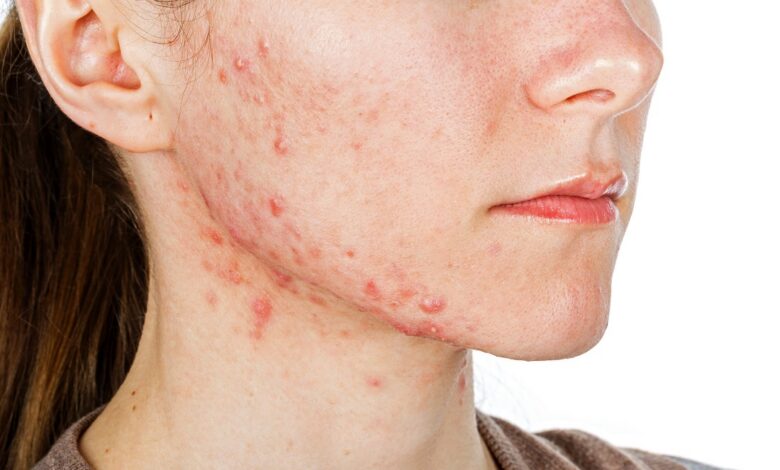
Can a piece of chocolate, a pastry or a sugary drink cause a pimple to appear the next day? It is a common belief, particularly among teenagers and young adults. But the real picture is more complicated. Research does suggest a connection between diet and acne, but it does not show that sugar alone is responsible for breakouts.
What researchers are more interested in is how quickly certain foods raise blood sugar.
Pastries, sugary cereals, sweetened drinks, white bread and some refined-flour products can cause blood glucose levels to rise rapidly. These foods are generally associated with a high glycemic load. Several studies have found that people who consume more high-glycemic foods tend to have more acne or more severe acne. A systematic review published in JAMA Dermatology found a positive association between a high glycemic index, increased dietary glycemic load and both acne development and severity.
So why would blood sugar have anything to do with the skin?
Part of the explanation may involve insulin and insulin-like growth factor 1, or IGF-1. When people regularly eat foods that cause rapid increases in blood glucose, the body releases more insulin. This metabolic response can influence hormonal pathways involved in sebum production and the growth of skin cells.
Over time, increased sebum production combined with the accumulation of cells inside hair follicles may make it easier for pores to become blocked. Inflammation then adds another part to the process. Researchers have proposed this mechanism as one possible explanation, although the relationship between diet, hormones and acne remains complex.
Dietary trials point in the same direction.
In one controlled study involving people with acne, participants who followed a low-glycemic-load diet for 12 weeks experienced a greater reduction in acne lesions than those in the control group. Another randomized study in South Korea, involving people with mild to moderate acne, also found improvements in acne lesions after 10 weeks on a low-glycemic-load diet.
But that does not mean every dessert needs to disappear from your diet.
This is probably one of the most important points. The available research does not show that eating a piece of cake or a few squares of chocolate occasionally will automatically cause acne. Overall dietary patterns appear to matter more than the effect of one isolated food eaten from time to time.
In other words, the potential problem may be less about an occasional dessert and more about regularly eating large amounts of foods that cause rapid rises in blood glucose.
That distinction can change the way people approach their diet. Instead of suddenly eliminating every sweet food, it may make more sense to cut back on sugary drinks, frequent pastries and highly refined foods while making more room for vegetables, beans, whole fruits and less-refined grains. The American Academy of Dermatology notes that research on low-glycemic diets is promising, while also pointing out that not every study has produced the same results and that more research is needed.
And sugar may not be the only dietary factor worth considering.
Dairy products, particularly cow’s milk, have also been investigated in relation to acne. Some studies have found an association between milk consumption and acne, although the evidence is less consistent than it is for high-glycemic diets. A systematic review also found that the relationship may vary according to sex, ethnicity and dietary habits in different populations.
It is also important to remember that acne is not simply a consequence of what someone eats. Hormones, sebum production, genetics, inflammation and individual skin characteristics all play important roles. Stress and insufficient sleep may also make existing acne worse.
For that reason, changing the diet is not necessarily a substitute for dermatological treatment. For some people, reducing their intake of high-glycemic foods may help improve their skin, but persistent, painful or scarring acne deserves appropriate medical attention.
So, do sugary foods cause acne?
The most accurate answer is: they may contribute, particularly when they are part of an overall diet that is consistently high in high-glycemic foods. But simply saying that « sugar causes acne » goes further than the current evidence allows. Research instead suggests that a dietary pattern that repeatedly produces large increases in blood glucose may influence some of the biological processes involved in acne.
The goal, then, is not to declare war on the occasional piece of chocolate. A more realistic approach is to look at the overall diet, reduce excessive consumption of highly sugary and refined foods, and pay attention over several weeks to whether those changes appear to make a difference to the skin.