Everyday Herbs, Including Coriander, as Potential Protectors Against Cancer and Heart Disease
In a global context marked by the rising prevalence of chronic diseases, particularly cancer and cardiovascular disorders, increasing attention is being given to dietary prevention strategies. Among the many nutritional components under investigation, culinary herbs occupy a unique position. Once regarded merely as flavor enhancers, they are now recognized for their richness in bioactive compounds that may help protect against serious diseases. Herbs such as coriander, parsley, thyme, rosemary, and basil are among those commonly used plants that may contribute to reducing the risk of cancer and heart disease.
The phytochemical richness of herbs
Culinary herbs are rich in phytochemicals, including polyphenols, flavonoids, carotenoids, and essential oils. These compounds possess strong antioxidant properties, enabling them to neutralize free radicals responsible for oxidative stress.
Oxidative stress plays a central role in the development of many chronic diseases, including cancer and cardiovascular conditions. By damaging cells and genetic material, it promotes mutations and inflammation. Antioxidants found in herbs help limit these effects, thereby supporting overall health.
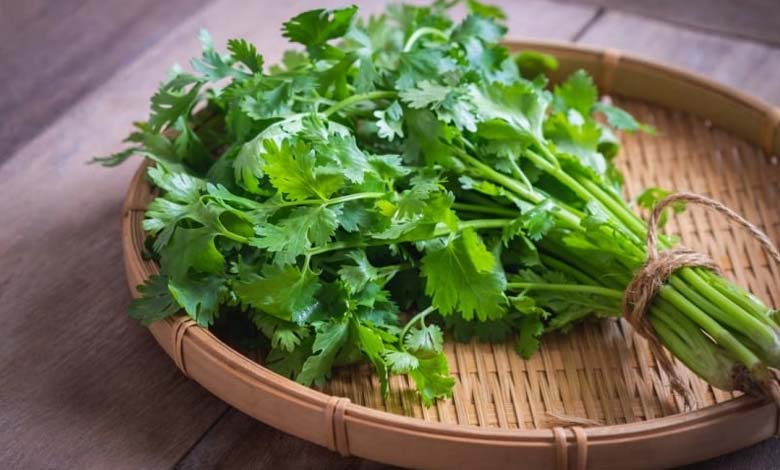
Coriander: a multifunctional plant
Coriander stands out for its high content of phenolic compounds and vitamins, particularly vitamin C and vitamin K. It also contains substances with anti-inflammatory and antimicrobial properties.
Research suggests that coriander may help reduce cholesterol levels and improve vascular health. It may also assist in eliminating heavy metals and regulating blood sugar levels, making it a valuable component in the prevention of metabolic and cardiovascular diseases.
Furthermore, certain compounds in coriander have shown potential effects in modulating mechanisms related to cell proliferation, a key factor in tumor development. Although more clinical evidence is needed, these findings are promising.
The role of parsley and basil
Parsley is an important source of flavonoids, especially apigenin, a compound studied for its potential anticancer properties. Apigenin may inhibit tumor cell growth and promote apoptosis, or programmed cell death.
Basil contains essential oils rich in eugenol, a molecule known for its anti-inflammatory and cardioprotective properties. Eugenol may help reduce chronic inflammation, a major risk factor for cardiovascular disease.
Additionally, these herbs indirectly support health by enhancing the overall quality of the diet, for example by reducing the need for excessive salt, which benefits blood pressure control.
Thyme and rosemary as natural protectors
Thyme is known for its antiseptic and antioxidant properties. It contains thymol, a compound that helps combat infections and reduce inflammation. By limiting chronic inflammatory processes, thyme may contribute to the prevention of degenerative diseases.
Rosemary is rich in rosmarinic acid and carnosol, compounds associated with potential neuroprotective and anticancer effects. These substances may inhibit the formation of cancer cells and protect tissues from oxidative damage.
Rosemary is also studied for its beneficial effects on blood circulation and cardiovascular health, particularly through its influence on vascular dilation.
Mechanisms in cardiovascular protection
Cardiovascular diseases often result from a combination of factors such as inflammation, lipid oxidation, and plaque buildup in the arteries. Herbs can act on several of these pathways.
Their antioxidant properties help prevent the oxidation of low-density lipoproteins, a key step in atherosclerosis. Their anti-inflammatory effects contribute to reducing vascular damage and improving endothelial function.
Moreover, some herbs promote blood vessel relaxation and help regulate blood pressure, thereby lowering the risk of cardiovascular events.
Limitations and precautions
Despite their potential benefits, herbs are not a cure-all. Their protective effects are most effective when integrated into a healthy lifestyle that includes a balanced diet, regular physical activity, and avoidance of harmful habits.
Additionally, some herbs may interact with medications or cause allergic reactions in certain individuals. Moderate and varied consumption is therefore recommended.
Conclusion
Everyday herbs, including coriander, are far more than simple culinary ingredients. Their richness in bioactive compounds makes them valuable allies in the prevention of cancer and cardiovascular diseases. While they cannot replace medical treatments or conventional preventive measures, their regular inclusion in the diet represents a simple and accessible strategy for promoting long-term health.