From tactical battalion groups to divisions: Russia restructures its army in Ukraine
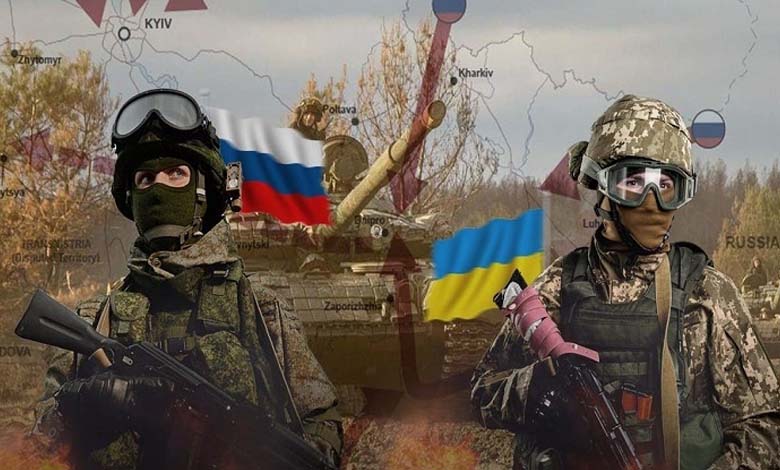
As the war in Ukraine enters its fifth year, Russia has begun implementing fundamental changes to the structure of its ground forces in an effort to adapt to battlefield realities that have exposed the limitations of the strategic assumptions underlying the initial invasion plan.
These changes come after four years of intense fighting that forced Moscow to reassess its methods of organization and combat within its military, according to the magazine National Interest.
At the launch of the military operation on February 24, 2022, Russian forces relied primarily on the doctrine of “tactical groups,” semi-permanent formations of around one thousand soldiers equipped with armored vehicles, artillery, and combined-arms capabilities that allowed them to conduct relatively autonomous operations.
This doctrine was based on the assumption that Russian units would be better trained and better equipped than their opponents, enabling them to maneuver rapidly, encircle enemy forces, and gain the upper hand in localized engagements.
However, this assumption quickly weakened as the battles evolved. Since the beginning of the war, Moscow has deployed most of its elite units to the battlefield, including airborne forces and naval infantry units.
Over time, these formations suffered significant losses, leading to the erosion of the professional core that had formed the backbone of Russia’s ground forces. At the same time, the declining training level of new recruits reduced the effectiveness of the “tactical group” model, which largely depends on highly skilled units.
Heavy losses and rudimentary tactics
Reports indicate that Russian losses since the beginning of the war have forced the army to modify its combat methods. With a reduced ability to conduct complex maneuvers, Russian forces have frequently resorted to simpler offensive tactics, including the use of small units or mass infantry assaults against fortified Ukrainian positions.
This situation has created a kind of vicious cycle in the management of military manpower: shortages of well-trained troops lead to the recruitment of less qualified personnel, which in turn results in higher battlefield losses and thus increases the need to mobilize more recruits to fill the gaps along the front lines.
The shift toward a divisional model
In an attempt to break out of this impasse, Moscow has gradually begun transitioning to an organizational model based on “divisional strength,” whereby the division becomes the primary combat formation, equipped with the human, logistical, and operational resources that allow it to operate independently or in coordination with similar formations.
This model aims to provide greater tactical flexibility and autonomy on the battlefield compared with the previous model based on smaller tactical groups.
Some military analysts believe that this approach could grant field commanders greater operational maneuverability, similar to what some armored divisions demonstrated during World War II when they managed to break through larger defensive lines thanks to their organizational flexibility. However, experts also note that differences in military culture and operational conditions limit the relevance of this historical comparison.
Challenges of transformation amid ongoing fighting
Nevertheless, the transition to the divisional model faces significant challenges. Reorganizing units and training them according to this concept requires time and a secure environment for rebuilding—conditions that the Russian army lacks while daily fighting continues along the front lines.
Moreover, the Kremlin’s strategy of maintaining constant pressure on Ukrainian forces reduces the chances of withdrawing entire units from the front in order to restructure and retrain them.