Heatwaves May Increase the Risk of Infectious Diseases in Europe
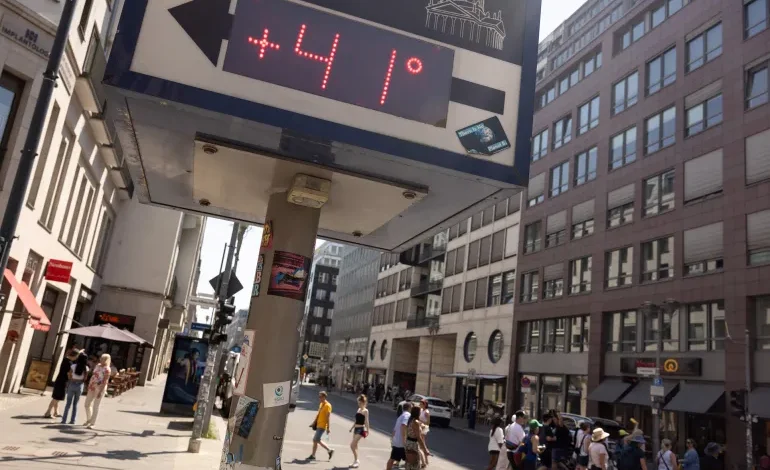
Heatwaves are becoming increasingly frequent and intense across Europe as a consequence of climate change. Beyond their well-known effects, such as heatstroke, dehydration, and cardiovascular complications, scientists are now warning of another emerging public health concern: a higher risk of infectious diseases throughout the continent.
Rising temperatures create favorable conditions for the growth and survival of many disease-causing microorganisms and their vectors, including mosquitoes, ticks, and certain rodents. During prolonged periods of extreme heat, these species can expand into new geographic areas, survive for longer periods, and reproduce more rapidly, increasing the likelihood of disease transmission.
Researchers suggest that mosquito-borne illnesses such as West Nile virus, dengue fever, and chikungunya could become more common in parts of Europe. The Asian tiger mosquito, which has already established populations in several European countries, thrives in warmer summers and milder winters, allowing it to spread into previously unaffected regions.
Extreme heat can also compromise food and water safety. High temperatures accelerate the growth of harmful bacteria such as Salmonella and Campylobacter, increasing the likelihood of foodborne illnesses when food is improperly stored or insufficiently refrigerated.
In addition, heatwaves are frequently followed by droughts or heavy rainfall events. These climate extremes can disrupt water supplies, contaminate drinking water sources, and contribute to the spread of waterborne infections, particularly when sanitation systems are placed under stress.
Older adults, young children, pregnant women, individuals with weakened immune systems, and people living with chronic diseases remain the most vulnerable to these health threats. Excessive heat may weaken the body’s natural defenses, making infections more severe and slowing recovery.
European public health authorities are strengthening surveillance systems to detect emerging infectious diseases and monitor changes in the distribution of existing pathogens. Early detection enables faster implementation of preventive measures, including mosquito control programs, improved food safety practices, and public awareness campaigns.
Health experts recommend staying well hydrated, keeping food properly refrigerated, eliminating standing water where mosquitoes can breed, using insect repellents when appropriate, and seeking medical attention promptly if fever or unusual symptoms develop following insect exposure.
Although not every infectious disease is directly linked to heatwaves, growing scientific evidence indicates that climate change is gradually altering environmental conditions in ways that favor the spread of infectious pathogens. This highlights the importance of integrating climate adaptation into public health strategies to better prepare for future health challenges across Europe.