Netanyahu: the truce with Iran will not include Lebanon
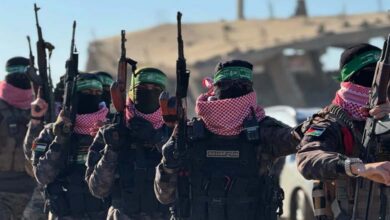
Sources confirm that Hezbollah has halted its attacks on northern Israel and on Israeli forces in Lebanon under the agreement between Iran and the United States.
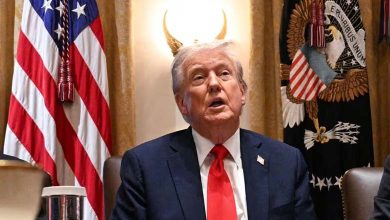
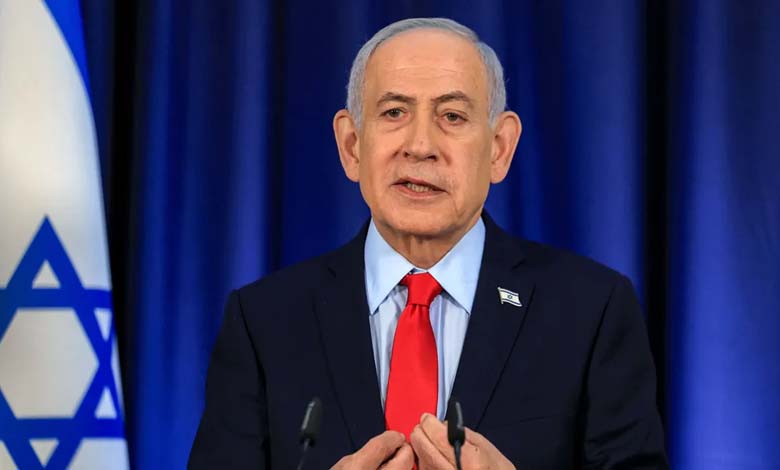
The office of Israeli Prime Minister Benjamin Netanyahu said on Wednesday that Israel supports U.S. President Donald Trump’s decision to suspend attacks on Iran for two weeks, but that the ceasefire does not apply to Lebanon. This statement came in response to reports suggesting that ending the war in Lebanon was part of the truce agreement, while sources indicated that Hezbollah had decided to halt its attacks.
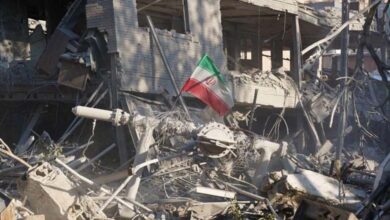
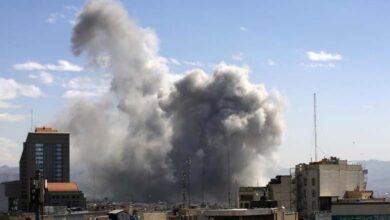
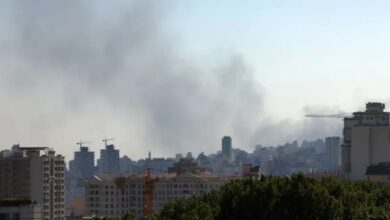
The Israeli army controls large parts of southern Lebanon and is carrying out intensive strikes on Beirut’s southern suburbs, following clashes that erupted between the Israeli army and Hezbollah on March 2 amid the war against Iran.
Lebanese Prime Minister Nawaf Salam had announced on Tuesday that his country was ready to engage in direct negotiations with Israel to reach a ceasefire despite ongoing attacks, a position rejected by Hezbollah, which is backed by Tehran. Israel is demanding the disarmament of the Shiite group and its withdrawal south of the Litani River, while confirming that it has begun establishing a buffer zone along the border.
Netanyahu’s office added that Israel supports the U.S. move on the condition that Tehran immediately reopen the strait and halt its attacks on the United States, Israel, and countries in the region.
These statements followed Washington’s announcement of a two-week suspension of attacks on Iran as part of efforts to de-escalate the conflict and create room for negotiations.
Israel also stated that it supports U.S. efforts to ensure that Tehran no longer poses a nuclear, ballistic, or “terrorist” threat to the United States, Israel, and Iran’s Arab neighbors, adding that Washington had informed Israel of its commitment to achieving their shared objectives in upcoming negotiations.
Meanwhile, three Lebanese sources close to Hezbollah said that the group halted its attacks on northern Israel and on Israeli forces in Lebanon in the early hours of Wednesday as part of the ceasefire between Washington and Tehran.
The sources expect Hezbollah to issue a statement clarifying its official position regarding the ceasefire as well as Netanyahu’s confirmation that Lebanon is excluded from it.
Hezbollah’s latest statement on its military activity was issued at 1:00 a.m. (22:00 GMT Tuesday), stating that it had targeted Israeli forces inside Lebanon the previous evening.
A Lebanese source said that the authorities had not yet received any clear position regarding the ceasefire and that President Joseph Aoun was conducting contacts to ensure Lebanon’s inclusion in the agreement, adding: “There is contradictory information circulating about the ceasefire.”
The Lebanese army urged displaced families on Wednesday to delay returning to their homes, warning of ongoing Israeli strikes and the dangers posed by unexploded ordnance.
Although the Israeli army announced on Wednesday that it had ceased fire in its campaign against the Islamic Republic in line with political directives, it confirmed the continuation of fighting and ground operations in Lebanon against Hezbollah, while Israeli warplanes struck a building in the Al-Shabriha Al-Abbassiyah area in the Tyre district of southern Lebanon.
Israeli opposition leader Yair Lapid criticized the ceasefire agreement with Iran, saying: “Our history has never witnessed such a political disaster. Israel was not even present when decisions concerning the core of our national security were made.”
He added: “It will take us years to repair the political and strategic damage caused by Netanyahu due to his arrogance and negligence,” asserting that he “failed politically and strategically and did not achieve any of his objectives.”
Avigdor Lieberman, leader of the Israel Beiteinu party, said that “the ceasefire with Tehran gives the Ayatollah regime an opportunity to catch its breath and reorganize.”
The Israeli channel Kan reported, citing its sources, that the Islamic Republic had threatened that excluding Lebanon from the agreement would lead to renewed fighting, without official confirmation.
French President Emmanuel Macron also expressed his desire for the temporary truce to include Lebanon.
During a meeting of the Defense and Security Council at the Élysée Palace on Wednesday, according to French media, he stressed the need to fully implement the temporary truce between the United States and Iran on the ground and to allow negotiations to find a lasting solution to the nuclear, ballistic, and regional issues related to Iran.
He welcomed the truce, calling it “very positive,” while reaffirming that the situation in Lebanon “remains critical,” saying: “Our aim is to ensure that the ceasefire covers the entire Lebanese territory.”
The Islamic Republic announced on Wednesday that negotiations with the United States would begin on Friday, April 10, in Islamabad.
Two White House officials had earlier confirmed that Israel agreed to a two-week ceasefire and the suspension of the bombing campaign against Iran, while Pakistani Prime Minister Shehbaz Sharif, who helped mediate the agreement, said in a post on X that the agreement included halting the Israeli campaign in Lebanon.
Israeli attacks in Lebanon have killed at least 1,500 people and displaced 1.2 million others. Lebanon was drawn into the war when Hezbollah launched rockets at Israel in solidarity with Tehran, two days after the start of the Israeli-U.S. offensive against Iran. The group’s attack was followed by a new Israeli ground and air offensive.