Risks Threatening Children Before Birth
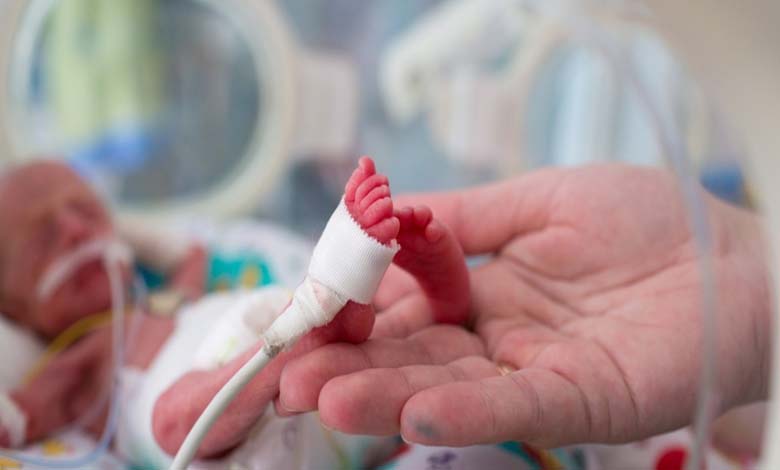
The prenatal period is a critical stage of human development. The fetus relies entirely on the mother’s body for growth, nutrition, and protection against pathogens. Unfortunately, many factors can threaten prenatal development and affect the child’s future health. Understanding these risks enables parents, healthcare professionals, and policymakers to implement effective preventive measures to safeguard the unborn baby.
Prenatal Risk Factors
-
4 Symptoms: How to Detect Diabetes Early in Children
-
How Does “Gentle Parenting” Affect Children’s Development and Family Well-Being?
Environmental factors
Exposure to certain chemicals and toxins poses a major threat to the fetus. Pesticides, industrial solvents, lead, and mercury can cross the placenta and disrupt neurological and physical development.
Additionally, air pollution—particularly fine particulate matter and harmful gases—has been associated with increased risks of intrauterine growth restriction, premature birth, and long-term respiratory problems.
Maternal nutrition and deficiencies
-
Warnings About Children’s Consumption of Almond and Soy Beverages
-
Does Wildfire Smoke Increase the Risk of Autism in Children?
Inadequate maternal nutrition can lead to deficiencies in essential nutrients such as folic acid, iron, iodine, and omega-3 fatty acids. Folic acid, for instance, is crucial for preventing neural tube defects, while iodine is essential for brain development.
Maternal overweight or obesity also represents a risk factor, as it can lead to gestational diabetes and obstetric complications affecting fetal health.
Maternal infections
-
Can Video Games Enhance Children’s Intelligence More Than Social Media?
-
When does teeth grinding in children become a concern?
Certain infections during pregnancy can be transmitted to the fetus, causing severe anomalies. Rubella, cytomegalovirus, toxoplasmosis, and the Zika virus are examples of infectious agents that may lead to congenital malformations, neurological disorders, or growth delays.
Prevention relies on appropriate vaccination before and during pregnancy, as well as strict hygiene measures to reduce exposure risk.
Genetic factors and hereditary diseases
-
Virtual Autism in Children: Worrying Behaviors Caused by Excessive Screen Time
-
Continuous Monitoring of Gestational Diabetes: Protecting Children from Future Health Consequences
Chromosomal abnormalities and genetic disorders also constitute prenatal risks. Conditions such as Down syndrome, cystic fibrosis, or hereditary metabolic diseases can be detected through prenatal testing, allowing parents to benefit from appropriate medical monitoring and support.
Maternal stress and mental health
Chronic stress, anxiety, or maternal depression can influence fetal neurological development. High levels of cortisol and other stress hormones may alter brain maturation and increase the risk of long-term emotional and cognitive disorders.
Preventive Measures to Protect the Fetus
-
Study Reveals the Impact of Processed Foods on Children’s Mental Health
-
Does blue light affect children’s sleep? A scientific analysis of its real impact
- Regular prenatal check-ups: early detection of anomalies, monitoring growth, and providing guidance on nutrition and behavior.
- Balanced diet and supplementation: ensuring intake of folic acid, iron, iodine, and omega-3s as recommended by healthcare providers.
- Avoid harmful substances: strict avoidance of tobacco, alcohol, drugs, and exposure to hazardous chemicals.
-
Contracting Covid-19 During Pregnancy May Increase the Risk of Autism in Children: A Scientific Hypothesis Under Scrutiny
-
Medical warnings about administering fluoride tablets to children
- Vaccination and infection prevention: ensuring protection against common infections and adherence to hygiene practices.
- Stress management and mental health care: psychological support, relaxation techniques, meditation, or prenatal yoga can reduce stress effects on the fetus.
-
How Sleep Disorders Threaten Children’s Psychological Balance
-
Elevated Cortisol in Children’s Hair: A Biological Marker of Chronic Stress Linked to Mental Health Issues
Prenatal development is sensitive to numerous risk factors, ranging from chemical exposures and infections to nutritional deficiencies and maternal stress. Heightened vigilance, regular medical check-ups, and a healthy lifestyle are essential to protect the unborn child and promote a healthy birth. Prenatal education and prevention are the most effective tools to reduce risks and ensure optimal fetal development.
-
Screens and the Increased Risk of Cardiovascular Diseases in Children: A Growing Concern
-
What Causes Ear Infections in Children?