Study: Can Cheese Act as a Shield Against Gallstones?
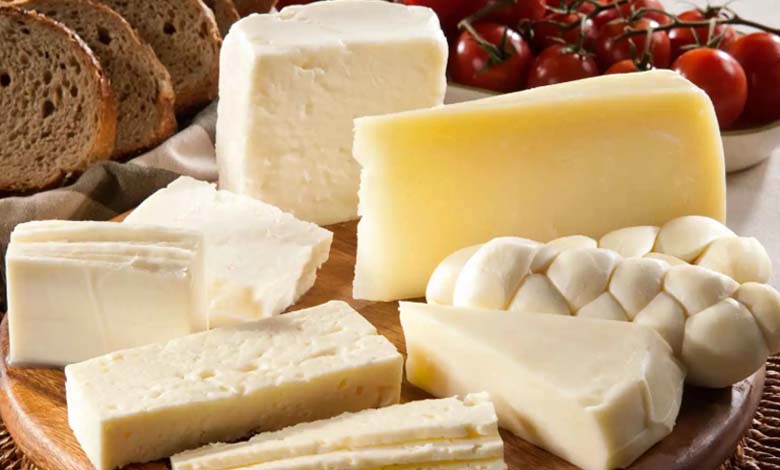
Gallstones are a common digestive disorder affecting millions of individuals worldwide. Although often asymptomatic, they can cause severe pain, inflammatory complications, and in some cases require surgical intervention. In this context, identifying protective dietary factors has become a growing focus of scientific research. Among recent hypotheses, some studies suggest that moderate consumption of dairy products, particularly cheese, may be associated with a reduced risk of gallstone formation.
This perspective calls for an examination of the physiological mechanisms involved, available epidemiological data, and the methodological limitations of current research.
-
High-Fat Cheese: A True Ally for the Brain?
-
Plastic invades dairy products: cheese takes the spotlight
Understanding Gallstone Formation
Gallstones primarily form in the gallbladder, an organ responsible for storing bile produced by the liver. Bile plays a crucial role in fat digestion. Gallstones develop when certain bile components, especially cholesterol, crystallize due to concentration imbalances.
Most gallstones are cholesterol-based. Their formation is promoted by factors such as excess cholesterol in bile, reduced gallbladder motility, obesity, sedentary lifestyle, hormonal fluctuations, and unbalanced dietary patterns.
-
Discover the Effect of Camembert Cheese on Memory
-
Ripened in Caves: Learn About the Price of the World’s Most Expensive Cheese Slice
The Role of Diet in Prevention
Diet directly influences bile composition and gallbladder contraction. Diets rich in fiber, unsaturated fats, and high-quality protein appear to be associated with a lower risk of gallstones, whereas excessive consumption of refined sugars and saturated fats may increase risk.
Within this framework, cheese—traditionally viewed cautiously due to its saturated fat content—has been reassessed in light of emerging scientific evidence.
-
Gut Health After 40: The Changes You Need to Know
-
Foods that may worsen the flu: what you should know
Hypotheses Explaining the Protective Effect of Cheese
Several potential mechanisms may explain the observed association between moderate cheese consumption and reduced gallstone risk.
First, cheese is an important source of dietary calcium. Calcium may bind to bile acids and lipids in the intestine, reducing cholesterol absorption and altering bile composition.
Second, fermented dairy products contain probiotic bacteria that may influence the intestinal microbiota. Recent research highlights a link between gut microbiota and bile acid metabolism. A balanced microbiome could contribute to improved regulation of biliary cholesterol.
-
Can you lower cholesterol without taking statins? A comprehensive analysis of natural and scientific alternatives
-
Fresh Onion Juice: The “Secret” to Fast Hair Growth
Third, dairy proteins may stimulate digestive hormones that promote regular gallbladder contraction. Efficient emptying of the gallbladder reduces bile stasis, a key factor in crystal formation.
Epidemiological Data and Observational Studies
Some cohort studies have reported an inverse correlation between moderate dairy consumption and gallstone incidence. However, these findings must be interpreted cautiously. Observational studies do not establish direct causation. Individuals who consume cheese as part of a balanced diet often engage in other health-promoting behaviors, such as regular physical activity.
-
Can You Get the Benefits of Retinol from Food?
-
Are Electric Shock Sensations a Sign of Vitamin B12 Deficiency?
It is also important to distinguish between types of cheese and quantities consumed. Excessive intake of foods high in saturated fats may counteract potential protective effects.
Nutritional Balance and Moderation
Cheese is nutritionally dense, providing high-quality protein, calcium, phosphorus, and certain fat-soluble vitamins. However, it also contains saturated fats and varying levels of sodium.
From a preventive standpoint, cheese should be incorporated into a balanced diet rich in vegetables, fruits, fiber, and unsaturated fats. Moderation remains a fundamental principle.
Limitations and Future Research Directions
Current research underscores the need for controlled clinical trials to more clearly establish cheese’s role in gallstone prevention. The interaction between diet, genetics, microbiota, and lipid metabolism remains complex.
Furthermore, dietary recommendations should be individualized, taking into account personal risk factors such as body weight, lipid profile, and medical history.
Scientific evidence suggests that moderate cheese consumption may form part of a dietary strategy supportive of gallstone prevention, particularly due to its calcium content, potential influence on gut microbiota, and effect on gallbladder motility.
However, cheese alone does not constitute an absolute shield. It must be integrated into a comprehensive nutritional approach combined with regular physical activity and a balanced lifestyle. Balance remains the cornerstone of effective prevention.
-
Replacing Sodium with Potassium Salt: Does It Reduce Heart Risks?
-
What is the “optimal” daily calcium intake?