Study challenges common belief: meat consumption may increase chances of living to 100
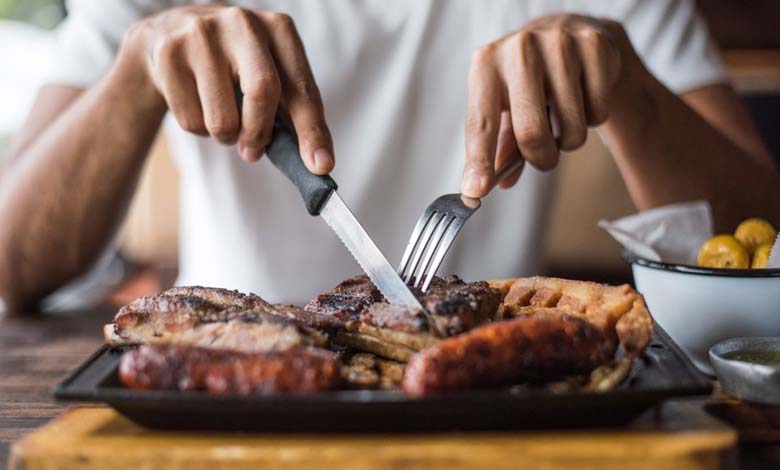
The longstanding belief that eating meat — especially in large quantities — inevitably leads to poorer health and premature death has dominated nutritional discourse for years. This perspective is grounded in numerous studies linking excessive consumption of red and processed meats with increased risks of cardiovascular disease, type 2 diabetes, and certain types of cancer. However, a new scientific study has seriously challenged this widely held assumption. The findings suggest that moderate, and even encouraged, meat consumption may be associated with increased longevity, including a higher likelihood of living to 100 or beyond.
-
10 Wrong habits leading to obesity: Doctor dispels a common belief
-
Study: the global food system contributes to obesity and climate change
This research was conducted by a multidisciplinary team of epidemiologists, clinical nutritionists, and gerontology experts. Published in a high-impact medical journal, the study is notable for its scale and rigorous methodology. The authors analyzed data from multiple cohorts consisting of thousands of participants followed over several decades. They examined not only the amounts and frequency of various types of meat consumption — red meat, poultry, fish, and processed meats — but also the participants’ overall dietary patterns and lifestyle factors, which is one of the study’s major strengths.
Surprising findings
Contradicting conventional conclusions, the analysis indicates that moderate meat consumption within a balanced diet is not associated with increased mortality. More strikingly, among certain groups, it correlates with a significantly higher probability of achieving advanced age, including 100 years. This trend was particularly evident among participants who consumed moderate amounts of lean meats (poultry or certain cuts of lean beef and pork), combined with high intake of vegetables, fruits, whole grains, and healthy fats.
-
Sweating and Physical Exercise: Can They Cure the Common Cold?
-
Two cigarettes a day are enough to increase heart failure risk by 50%: a largely underestimated danger
Researchers propose several hypotheses to explain these findings. Firstly, high-quality animal proteins play a crucial role in preserving muscle mass, which is particularly important for older adults. Sarcopenia — the age-related loss of muscle mass — is a well-known factor in weakness, increased risk of falls and fractures, and greater dependency. Ensuring adequate protein intake, including from meat, may help maintain muscle mass and physical function.
In addition, specific nutrients found in meat — such as vitamin B12, heme iron, zinc, and carnosine — are essential for numerous physiological functions, including DNA synthesis, oxygen transport, immune system performance, and antioxidant defenses. Deficiencies in these micronutrients are common among older adults, especially those on poorly planned restrictive diets, and can contribute to overall health decline. Moderate meat consumption may therefore help prevent or mitigate these deficiencies.
The importance of overall dietary context
It is essential to emphasize that the study does not encourage excessive meat consumption nor advocate for a diet centered solely on animal products. The results show that meat integrated into an overall healthy diet is linked to beneficial effects. For example, individuals with high consumption of processed meats (such as sausages, cold cuts, and smoked meats) without counterbalancing nutritious foods exhibited higher mortality and morbidity risks, a finding consistent with other international research.
Furthermore, regular physical activity, maintenance of a healthy body weight, and avoidance of smoking and other positive lifestyle habits were associated with increased longevity. This suggests that meat consumption alone is not a determining factor, but that it can contribute to a coherent set of health-promoting practices when part of a balanced lifestyle.
Reactions and implications
The publication of this study has generated significant interest and sometimes contrasting debate among nutrition specialists and healthcare professionals. Some nutritionists welcome the study for offering a more nuanced perspective that emphasizes overall dietary context rather than absolute dietary prohibitions. Others urge caution, noting that long-term randomized clinical trials would be needed to confirm these results definitively.
Nonetheless, the study invites a rethinking of certain traditional dietary recommendations, especially for older populations or those at risk of malnutrition. For seniors, preserving muscle mass, maintaining adequate micronutrient status, and ensuring sufficient protein intake are essential in preventing age-related health issues.
-
Cold Showers Before Bed in Summer: Helpful Habit or Health Risk?
-
Why are hot drinks recommended in hot weather?
Ultimately, the study challenges the notion that meat consumption is inherently detrimental to longevity. It offers a more balanced perspective, recognizing that within the context of a well-rounded diet and healthy lifestyle, meat can play a positive role in supporting the health of older adults and may increase the likelihood of reaching advanced age, including 100 years.
This does not imply a promotion of overconsumption, but rather a reevaluation of simplistic nutritional messages. The findings call for a holistic approach to diet and caution against rigid dietary prohibitions, with the goal of tailoring nutritional recommendations to the specific needs of each age group.
-
Drinking too much water may threaten your health… here’s why
-
How Positive Thinking Helps Older Adults Recover After a Fall