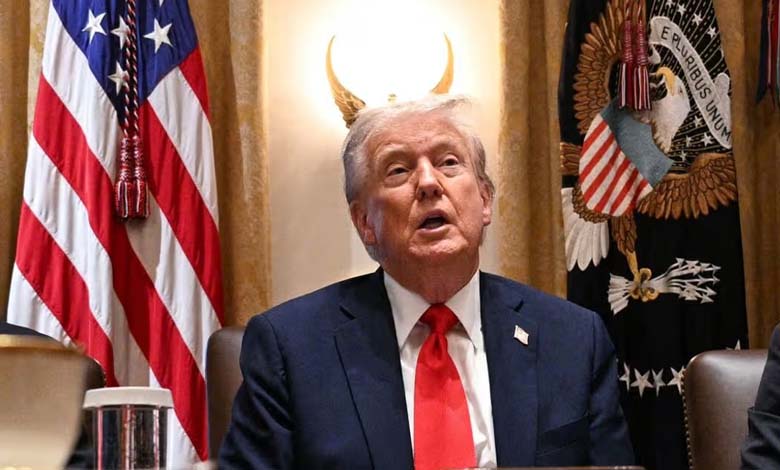
Trump proposes U.S. support to ensure smooth navigation in the Strait of Hormuz
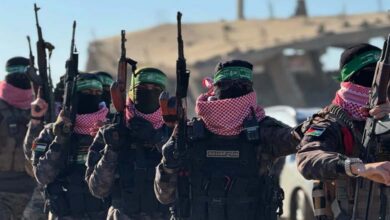
U.S. media report that shipping data indicate limited traffic in the strait.
U.S. President Donald Trump said on Wednesday that the United States would help address maritime congestion in the Strait of Hormuz. U.S. media outlets also reported that shipping data show limited activity in the strait, reflecting the scale of the technical and logistical difficulties facing tankers and vessels in ensuring the smooth flow of maritime navigation.
Trump had approved a two-week ceasefire with Iran on Tuesday, less than two hours before the deadline he had set for Tehran to reopen the strait or face attacks targeting its civilian infrastructure.
He stated that the last-minute agreement was conditional on Iran agreeing to stop obstructing the passage of oil and gas supplies through the strait, through which roughly one-fifth of global oil shipments normally pass.
In remarks on Wednesday, he added: “We will load all kinds of supplies, and we will simply remain nearby to make sure everything is proceeding properly,” adding, “There will be many positive steps! And tremendous amounts of money will be generated. Iran can begin a process of reconstruction.”
For its part, the U.S. network CNN highlighted the challenges and obstacles maritime navigation will face due to the congestion of ships and tankers. According to experts, restoring smooth passage through the strait will require a prolonged period.
Numerous media outlets observed a large number of vessels gathering near the strait while awaiting authorization to pass.
Iran seeks to impose transit fees on tankers passing through the strait in order to finance reconstruction. However, Gulf countries as well as several European states that rely on Hormuz reject such measures, considering them an unacceptable new form of pressure.
Around 20 percent of global energy supplies pass through the Strait of Hormuz, in addition to the transport of various exports, which has caused significant disruption, particularly amid rising fuel prices.
The U.S. president stressed that the United States had achieved a “total and complete victory” following the approval of the ceasefire agreement with Iran.
The temporary halt in fighting and the reopening of the Strait of Hormuz are expected to allow Middle Eastern exporters to ship large quantities of oil that have remained stranded in the Gulf since the start of the war.
Data from analytics firm Kpler show that approximately 130 million barrels of crude oil and 46 million barrels of refined fuel are currently in the region aboard nearly 200 tankers.