What does one tablespoon of olive oil a day do for your blood pressure?
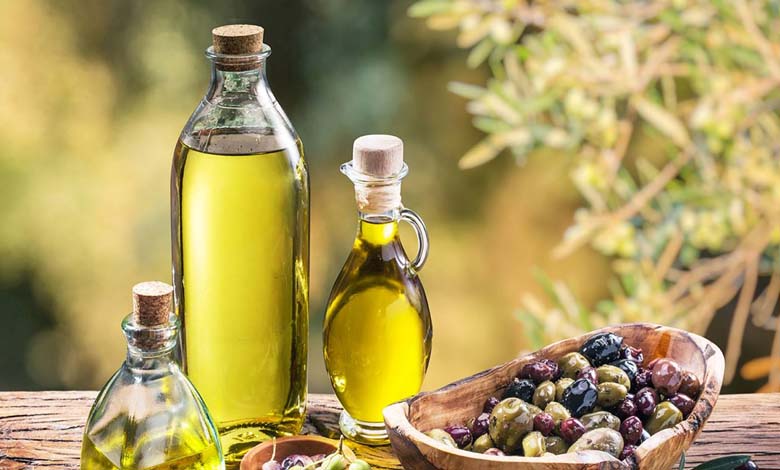
High blood pressure is one of the leading risk factors for cardiovascular disease, which claims millions of lives worldwide each year. Often referred to as a silent condition, hypertension develops without obvious symptoms while gradually damaging the heart, blood vessels, kidneys, and brain. In this context, simple, sustainable, and accessible preventive strategies are of crucial importance. Among them, daily olive oil consumption, even in small amounts, has attracted growing scientific attention.
-
Half a Teaspoon of Olive Oil a Day May Improve Memory
-
Olive oil or coconut oil: which one is better for heart health?
Olive oil, a cornerstone of the Mediterranean diet, has long been recognized for its cardiovascular benefits. A single tablespoon per day, when incorporated into a balanced diet, can have a measurable impact on blood pressure, particularly in individuals with mild to moderate hypertension or those at increased cardiovascular risk.
The nutritional value of olive oil lies primarily in its high content of monounsaturated fatty acids, especially oleic acid. Unlike saturated fats, these lipids help improve the flexibility of arterial walls and reduce vascular resistance, both of which play a central role in blood pressure regulation. More elastic blood vessels allow blood to flow more easily, thereby lowering pressure within the arteries.
-
Study: Olive Oil Consumption Reduces Risk of Dementia
-
Olive Oil: A Fountain of Youth or Just a Healthy Fat?
Beyond its fat composition, extra virgin olive oil is rich in phenolic compounds with powerful antioxidant and anti-inflammatory properties. These compounds help protect the endothelium, the thin layer of cells lining the interior of blood vessels. A healthy endothelium supports the production of nitric oxide, a molecule essential for vasodilation and the reduction of blood pressure.
Daily olive oil intake also helps reduce oxidative stress, a key mechanism involved in arterial stiffening and the progression of hypertension. By neutralizing free radicals, the antioxidants found in olive oil limit cellular damage and support long-term cardiovascular health.
-
The All-in-One Health and Beauty Solution: Understanding the Benefits of Olive Oil
-
Camphor Oil: A Natural Remedy for Respiratory Diseases and Joint Pain?
Numerous observational and clinical studies have shown that populations with regular olive oil consumption tend to have lower blood pressure levels and a reduced risk of cardiovascular events. These benefits are particularly evident when olive oil replaces less healthy fats such as butter or refined oils high in saturated or trans fats.
It is important to emphasize that olive oil does not act as a standalone treatment. Its effectiveness depends on its integration into an overall healthy lifestyle that includes a diet rich in fruits, vegetables, legumes, and whole grains, regular physical activity, reduced salt intake, and effective stress management. Within this framework, one tablespoon of olive oil per day serves as a subtle yet powerful nutritional tool.
Oil quality is another crucial factor. Blood pressure benefits are mainly associated with extra virgin olive oil, which is obtained through cold pressing without chemical refining. This process preserves the bioactive compounds responsible for its protective effects.
Finally, consistency is essential. The impact on blood pressure is neither immediate nor dramatic, but gradual and cumulative. When consumed daily over the long term, olive oil contributes to better blood pressure control and an overall reduction in cardiovascular risk.
In conclusion, one tablespoon of olive oil per day is not a miracle cure, but it represents a scientifically supported dietary habit. Affordable, natural, and versatile, it stands as a valuable ally in the prevention of hypertension and the long-term protection of heart and vascular health.
-
Half a Cup of Almonds a Day: Natural Protection for Your Body’s Cells
-
Coconut Water or Coconut Milk — Which is Healthier for You?