Shortness of breath on stairs: when does it become a warning sign?
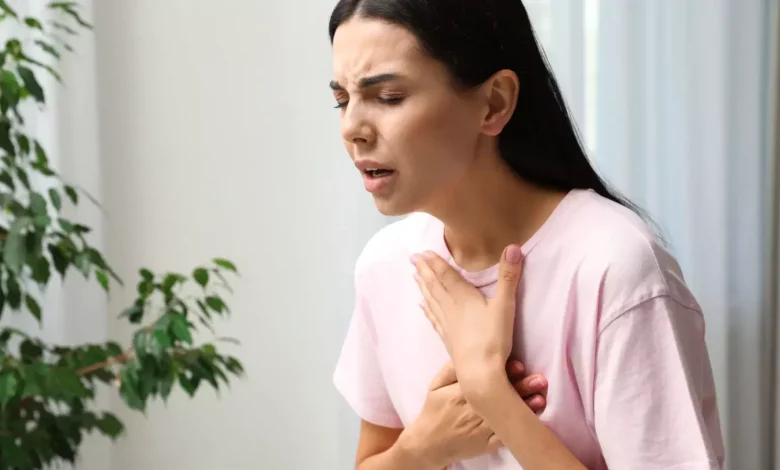
Climbing stairs naturally increases heart rate and breathing. For most people, this effort causes mild temporary shortness of breath that disappears quickly after a short period of rest. However, when this phenomenon becomes frequent, disproportionate, or associated with other symptoms, it may sometimes reveal an underlying health problem. Shortness of breath during exertion, often underestimated in daily life, therefore deserves particular attention when it progressively worsens or interferes with normal activities.
This symptom may be linked to many factors ranging from poor physical fitness to cardiovascular, respiratory, or metabolic diseases. Understanding the mechanisms behind shortness of breath and recognizing the signs that require medical evaluation are essential for preserving long-term health.
Why does breathing increase while climbing stairs?
When the body performs physical effort, muscles require more oxygen to produce energy.
The heart and lungs must therefore work harder to increase oxygen delivery to tissues.
A normal physiological phenomenon
Mild shortness of breath after climbing several flights of stairs may be completely normal, especially after periods of inactivity or fatigue.
Breathing usually returns to normal within a few minutes.
The role of physical fitness
People who engage regularly in physical activity often develop better cardiovascular and respiratory capacity.
In contrast, sedentary lifestyles may reduce endurance and make everyday efforts more difficult.
When does shortness of breath become concerning?
Shortness of breath may become worrisome when it appears during minimal effort, progressively worsens, or occurs alongside other unusual symptoms.
Breathing difficulty that seems disproportionate to the level of exertion deserves medical evaluation.
Cardiovascular diseases
The heart plays a central role in oxygen transport. Certain heart diseases may limit this capacity and cause exertional shortness of breath.
Heart failure and some rhythm disorders are among the possible causes.
Respiratory diseases
Asthma, chronic obstructive pulmonary disease, and certain lung infections may also reduce breathing capacity.
In such situations, climbing stairs may become particularly difficult.
The role of overweight and obesity
Excess body weight increases the body’s energy demands and places additional strain on the cardiovascular system.
This may worsen shortness of breath during daily physical activities.
Anemia and reduced oxygen delivery
A decrease in red blood cells or hemoglobin levels may reduce oxygen transport in the blood.
People with anemia often experience increased fatigue and shortness of breath.
Stress and anxiety
Anxiety disorders may alter breathing patterns and create a sensation of breathlessness even in the absence of organic disease.
Chronic stress also influences heart rate and perception of physical effort.
Natural aging
With age, certain physical capacities gradually decline, including cardiovascular and muscular function.
However, severe shortness of breath should never simply be considered a “normal” consequence of aging.
Signs requiring prompt medical attention
Certain symptoms associated with shortness of breath require particular medical attention.
These include chest pain, fainting, significant palpitations, bluish lips, or extreme fatigue.
The importance of early diagnosis
Early detection of cardiovascular or respiratory disease often improves treatment outcomes and reduces complications.
An apparently harmless symptom may sometimes reveal a more serious condition.
The role of regular physical activity
Moderate exercise generally improves heart and lung endurance.
Walking, cycling, and swimming gradually strengthen respiratory capacity.
Importance of healthy lifestyle habits
Sleep, balanced nutrition, smoking cessation, and stress management play essential roles in cardiovascular and respiratory health.
These factors directly influence tolerance to physical effort.
Difference between normal fatigue and a medical symptom
Temporary tiredness after intense exertion differs from chronic or unusual shortness of breath.
The progressive evolution of symptoms is often an important warning sign.
Prevention of complications
Regular medical follow-up helps identify cardiovascular or respiratory risk factors at an early stage.
Prevention remains one of the most effective tools for preserving long-term health.
Conclusion
Shortness of breath while climbing stairs is not always a cause for concern, as it may simply reflect normal physical exertion or lack of fitness. However, when it becomes excessive, progressive, or associated with additional symptoms, it may indicate a cardiovascular, respiratory, or metabolic disorder requiring medical attention.
Listening to the body’s signals, maintaining regular physical activity, and consulting healthcare professionals when necessary remain essential for preserving cardiorespiratory health and preventing potential complications.