For a healthier summer: seven naturally sweet fruits that can outperform sugary desserts
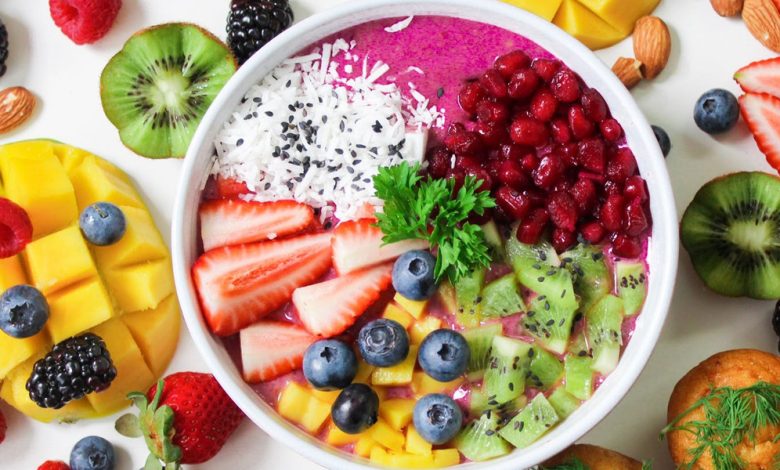
Summer is often associated with refreshing drinks, frozen desserts, and sugary foods. However, excessive consumption of added sugars has become a major public health concern because of its connection to obesity, type 2 diabetes, and various metabolic disorders. In this context, fruits appear to be a particularly valuable natural alternative. Thanks to their sweet taste, high water content, fiber, and micronutrients, certain fruits can satisfy cravings for sweetness while also providing important nutritional benefits. During the summer season, they represent an option that is both refreshing and supportive of balanced nutrition.
Why does the body crave sweet flavors?
Sweet taste is naturally associated with a rapid source of energy. For centuries, the human brain has developed a strong attraction to sweet foods.
However, ultra-processed products rich in refined sugars may disrupt natural satiety mechanisms and encourage excessive consumption.
Fruits as a natural alternative
Unlike industrial desserts rich in added sugars, fruits contain fiber, vitamins, minerals, and antioxidant compounds.
Their nutritional structure generally slows sugar absorption and contributes to better energy regulation.
Watermelon: freshness and hydration
Watermelon is among the most appreciated fruits during summer. Extremely rich in water, it contributes to hydration while providing a naturally sweet flavor.
Its low calorie density makes it a popular option during hot weather.
Mango: tropical sweetness and nutritional richness
Mango has an intense and naturally sweet taste. It also contains vitamins, fiber, and various antioxidant compounds.
When consumed in moderation, it may replace highly sweetened desserts.
Grapes: quick energy and convenience
Grapes provide a pleasant texture and a high concentration of natural sugars. They represent a rapidly available energy source.
However, their consumption should remain balanced because of their higher energy density compared with some other fruits.
Dates: concentrated sweetness
Dates are particularly rich in natural sugars and have a flavor similar to certain traditional desserts.
They also provide fiber and beneficial minerals when consumed in reasonable amounts.
Bananas: satiety and versatility
Bananas are widely consumed around the world because of their sweet taste and practicality. Their fiber content promotes satiety.
They can be used in summer preparations such as smoothies or homemade frozen desserts.
Peaches: lightness and natural aroma
Peaches stand out because of their delicate aroma and high water content. Their natural sweetness makes them an interesting alternative to industrial snacks.
They fit easily into a balanced summer diet.
Strawberries: moderate sweetness and antioxidant richness
Strawberries offer a sweet taste combined with a light acidity appreciated during summer. They are rich in vitamin C and antioxidant compounds.
Their low calorie content makes them compatible with many dietary patterns.
The importance of fiber in fruits
Dietary fiber plays an essential role in regulating sugar absorption. It also contributes to satiety and healthy digestion.
This characteristic distinguishes whole fruits from refined sugary products.
Hydration and summer balance
During summer, fluid requirements increase because of heat exposure. Fruits rich in water contribute to maintaining hydration.
They therefore provide a dual benefit during warm periods.
Caution against excessive intake despite natural origin
Even though fruits contain natural sugars, excessive consumption may increase total calorie intake.
Balance and dietary diversity therefore remain essential.
Difference between whole fruits and fruit juices
Whole fruits provide significantly more fiber than fruit juices. This fiber slows sugar absorption and improves satiety.
Highly sweetened industrial juices do not offer the same nutritional advantages.
The role of overall lifestyle habits
Metabolic health primarily depends on overall lifestyle factors, including balanced nutrition, physical activity, sleep, and stress management.
Fruits may support this approach but cannot replace healthy living habits.
Conclusion
Naturally sweet fruits represent a healthy and refreshing alternative to desserts rich in added sugars during the summer season. Watermelon, mangoes, grapes, dates, bananas, peaches, and strawberries provide varied flavors while supplying fiber, water, and beneficial micronutrients.
When consumed in moderation as part of a balanced diet, they can help satisfy sweet cravings while supporting metabolic health and hydration during hot weather.