Washington Warns Allies of Possible Iranian Retaliation if Strikes Resume
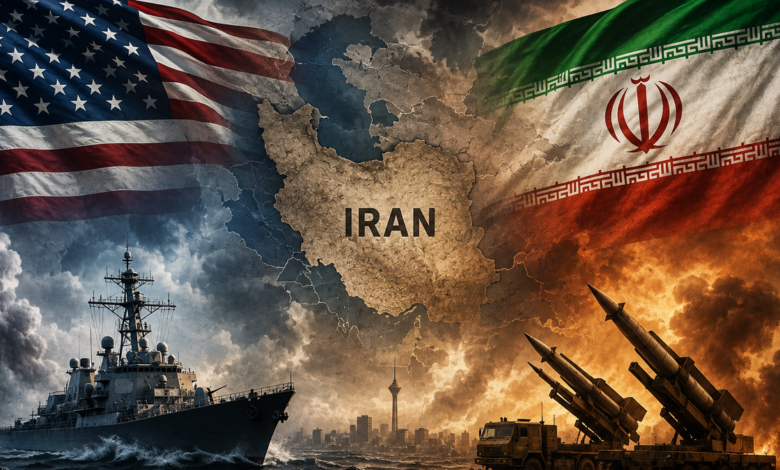
The United States and Israel are preparing for a potential week-long campaign targeting sites linked to Iran’s leadership, energy and nuclear facilities, and infrastructure.
A new round of potential US strikes against Iran could last several days, diplomats told the Associated Press. Washington has warned its Middle Eastern allies that attacks could resume after next week’s US midterm elections and urged them to prepare for a possible response from Tehran.
The diplomats said President Donald Trump had not yet made a final decision on resuming military operations.
Axios also reported that Washington and Tel Aviv are preparing for a possible large-scale campaign that could last a week if diplomacy fails. Potential targets include sites linked to Iran’s leadership, energy facilities, sites associated with its nuclear programme, and infrastructure.
The military preparations are accompanied by intensified contacts between US and Israeli officials. Any operation nevertheless remains dependent on Trump’s final decision and the outcome of efforts to reach an agreement with Tehran.
US reports indicate that the midterm elections are influencing Washington’s calculations over the timing of any renewed escalation, amid concerns about the impact of another war on energy prices and the domestic economy.
Earlier in October, Trump announced that the United States would not attack Iran before the elections. Israeli sources, meanwhile, said the US and Israeli militaries had drawn up plans to resume strikes in the following weeks, most likely after the vote.
On October 7, Axios reported that US military commanders had been instructed to complete preparations for the resumption of major combat operations against Iran, without a start date being set.
Those preparations do not, however, mean that a decision to resume the war has been made. Trump continues to weigh military options against the possibility of a negotiated settlement.
Regional mediation efforts are continuing to prevent the diplomatic process from collapsing. According to Axios, mediators led by Qatar, with other regional actors taking part, are working towards an understanding that would put US-Iranian negotiations back on track and avert renewed bombing.
Proposals under discussion include Iranian concessions on its nuclear programme, such as allowing United Nations inspectors access to nuclear sites that have been bombed, in exchange for relief from some US sanctions.
The outlet reported that the two sides remain divided over the sequencing of these steps. Washington wants Iranian nuclear concessions, while Tehran links progress in the talks to addressing its demands concerning the US naval blockade and the release of frozen Iranian funds.
These disagreements highlight the difficulty of reaching an agreement before the political deadline imposed by the US elections, despite continued contacts through intermediaries.
The United States has strengthened its military presence in the Gulf in recent weeks as it prepares for a possible escalation.
Against the backdrop of military preparations, Tehran continues to target vessels in the Strait of Hormuz. In a statement carried by state media on Thursday, Iran’s Islamic Revolutionary Guard Corps said three oil tankers had suffered explosions and caught fire after striking naval mines during the previous 24 hours.
According to the statement, the vessels were attempting to use an unauthorised route in the southern part of the strait.
The Revolutionary Guards said the tankers had switched off their radar and navigation systems and ignored warnings from the navy. The navy said the vessels had been abandoned on the strait’s southern shores.