Three Phases and High-Stakes Deliberations: Iran’s Leaders on Trump’s Agenda
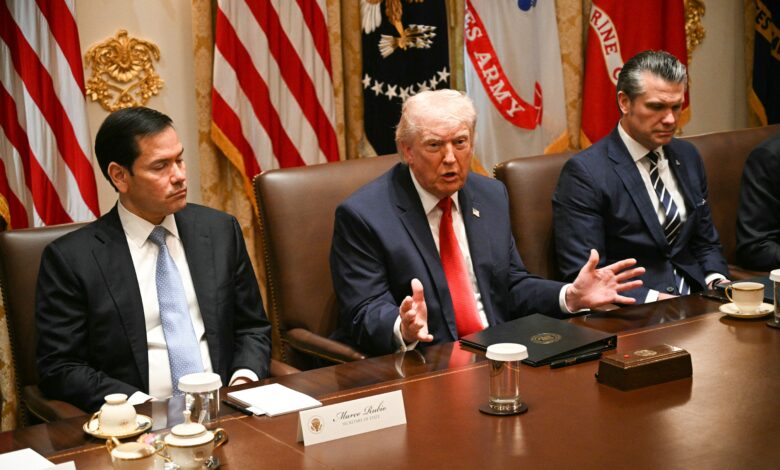
US intelligence reports presented to President Donald Trump have advised against targeting the Iranian regime’s most senior religious and political leaders if the United States launches new military strikes against Iran.
According to US diplomatic sources, the reports stress the need to avoid repeating what they describe as mistakes made during the “40-day war”. The elimination of regime leaders, most notably former Supreme Leader Ali Khamenei, reportedly created a power vacuum. Figures who subsequently rose to power are said to have adopted more hardline positions in negotiations and towards US interests in the region and internationally.
-
Trump and Iranian nuclear fuel: a strategic move to decide the war
-
With the help of artificial intelligence… Trump threatens Iran again by targeting Kharg Island
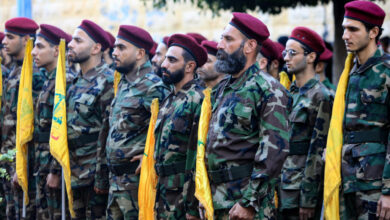
US sources close to officials in the national security office said that the reports also included an assessment that military action would require a heavy pre-emptive fire campaign against pro-Tehran Iraqi factions and the Houthi militia in Yemen.
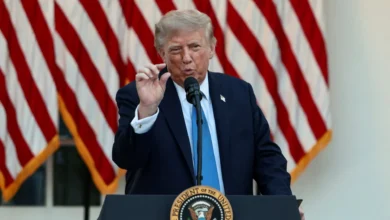
The reports come as Trump has confirmed that he is considering an attack on Iran, saying it could happen as soon as the following day. He also raised the possibility of reaching what he described as a “good, big, wonderful” deal. He said the Iranians wanted an agreement, but asked: “Will they abide by that deal?”
A US diplomat close to national security officials said intelligence briefings presented to Trump recommend classifying Iranian leaders according to their religious, political and governmental roles so that they are not targeted. Senior military figures, particularly those in the Islamic Revolutionary Guard Corps, would be treated differently and considered potential targets.
-
Trump and Iran: three military paths on the decision table
-
Trump Announces Destruction of Iran’s Kharg Island
The diplomat said that the briefings outlined a military operation in three successive phases: power stations first, oil facilities second, and infrastructure at nuclear facilities third.
Thomas Warrick, a former US deputy assistant secretary for homeland security, said that Iranian plans to target American diplomats or US interests would not delay any potential airstrike Trump might order against Iran.
Warrick stated that one of the most important questions surrounding a possible strike was the selection of targets. He said that decision involved numerous calculations—not only economic, but also military and related to international security.
-
Trump and Iran: 4 Possible Scenarios, Including “Shock and Awe”
-
Ballot-Box Calculations and Autumn Bombs: Three Priorities Delaying Trump’s Next Strike on Iran
He added that the targets the United States might select for military action against Iran were a matter of concern beyond the US administration. Countries in the region were also involved: some did not want an escalation, while others were currently discussing Iranian targets and the potential responses with Trump.
According to Warrick, Trump’s discussions with his administration and regional leaders could influence the choice of targets, but would not change his belief that the president will launch an attack on Iran. Reports also suggest that if Iranian oil-production facilities were targeted, Tehran could retaliate against similar facilities elsewhere in the region.
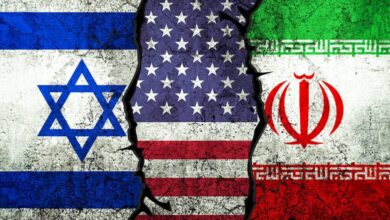
The developments coincide with Israeli Prime Minister Benjamin Netanyahu’s recent statement that he had instructed the Mossad and the military to work towards bringing down the Iranian regime.
-
Iran Targets Ships and the U.S. Does Not Retaliate: Why Is Trump Keeping His Cool?
-
Trump Puts Iran’s Kharg Island Back in the Spotlight Through AI-Generated Images
“I instructed the Mossad and the Israeli military to bring down the Iranian regime. We have an opportunity to guarantee a bright future for the State of Israel. We are trying by every means to hide this real question from you: who will guarantee the future of the land of Israel?” he said in a television interview.
At the same time, Israeli Defence Minister Israel Katz denied that there were disagreements between the political leadership and the military over how to deal with Iran. He said Israel had not intended to launch an attack on Tehran before the parliamentary elections, amid reports of tensions between Netanyahu and Chief of Staff Eyal Zamir.
Nabil Mikhail, a professor of political science at George Washington University, believes Trump is determined to carry out a series of military operations in Iran alongside Israel, targeting important strategic sites. In his view, there are few prospects or reasons that might persuade the Republican president to postpone the strikes, since he has repeatedly said they would take place after the congressional elections.
-
Trump Threatens Iran with Broader Strikes as Beijing and Islamabad Open the Door to Negotiations
-
Iran’s Kharg Island: Carter’s Lesson That Continues to Haunt Trump
Mikhail said that the attacks were no longer open to reconsideration or delay. He nevertheless pointed to deep differences between Trump and Netanyahu, as well as the possibility that Netanyahu could lose the Knesset elections, which could have consequences at several levels for preparations for the military operation.
According to Mikhail, the future of the Iranian regime is part of the discussions between the two leaders. He said Trump does not want to overthrow it, but seeks to change its conduct—particularly regarding navigation through the Strait of Hormuz, relations with neighbouring countries and Tehran’s allied groups in Iraq, Yemen and Lebanon, and, above all, Iran’s nuclear programme. Netanyahu, by contrast, is considering several ways to bring about a new government in Tehran, Mikhail said.
Mikhail identified another point of disagreement connected to Trump’s opposition to bringing down the government in Tehran: such a development could cause instability in Iraq. This comes, he said, after Washington and Baghdad signed major contracts worth billions of dollars in energy, oil and other sectors during Iraqi Prime Minister Ali al-Zaidi’s visit to the United States.
-
Trump Announces the End of the Memorandum of Understanding with Iran
-
Trump Promotes an Electoral Victory Over Iran and an Imminent Agreement
-
He Chose to Respond: Netanyahu Ignores Trump’s Calls and Strikes Iran