Raw Milk and Viral Infections: Understanding the Health Risks
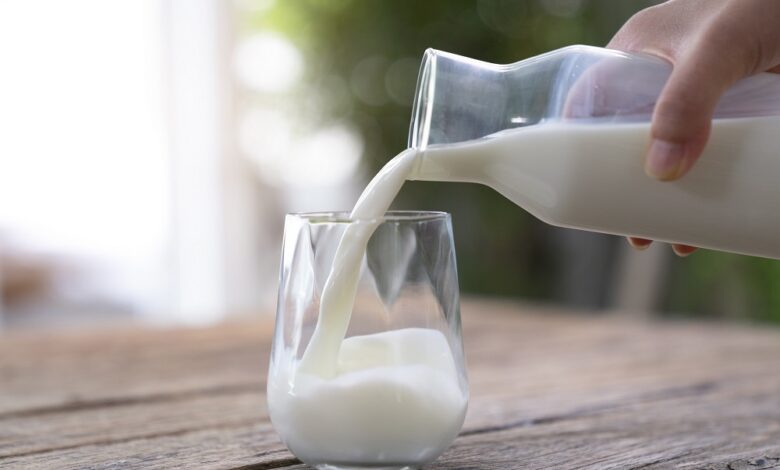
Unpasteurised milk, commonly known as raw milk, regularly raises health concerns because it may contain harmful microorganisms. Consumed directly after milking without heat treatment to eliminate pathogens, it can pose a risk to human health. Although bacteria are the most frequently reported cause of infections associated with raw milk, certain viruses may also be transmitted through contaminated dairy products, depending on production and handling conditions.
Why can unpasteurised milk be unsafe?
Raw milk has not undergone heat treatment designed to reduce or eliminate potentially harmful microorganisms. It may therefore contain bacteria, viruses or other infectious agents originating from the animal, its surroundings or the handling process.
Contamination can occur at several stages, including milking, storage and transportation. Poor hygiene, inadequately cleaned equipment and improper storage temperatures can increase the likelihood that certain pathogens will survive or multiply.
Which viruses may be associated with contaminated dairy products?
Several viruses can spread through contaminated food, including certain causes of gastroenteritis, such as norovirus, and hepatitis A virus. However, their presence in dairy products depends on the circumstances of contamination. This does not mean that raw milk is automatically a source of viral infection.
Other infectious agents have also attracted attention in livestock farming. Avian influenza, for example, became a particular concern following the detection of the virus in raw milk from infected cattle. Research has shown that certain viruses can remain infectious in untreated milk, highlighting the importance of heat treatment. Nevertheless, the actual risk to consumers depends on several factors, including the type of virus, the extent of contamination and how the product is consumed.
Pasteurisation: An important line of defence
Pasteurisation involves heating milk to a specific temperature for a set period to destroy pathogens that could cause illness. This process significantly reduces microbiological risks while preserving much of milk’s nutritional value.
Pasteurisation should not be confused with sterilisation. Although both processes use heat, they involve different methods and objectives. In either case, heat treatment plays an important role in improving food safety.
Who should be especially cautious?
Anyone can develop an infection after consuming contaminated raw milk, but certain groups are more vulnerable to serious complications. These include young children, pregnant women, older adults and people with weakened immune systems.
For these individuals, foodborne infections can have more serious consequences. Avoiding raw milk and dairy products made from unpasteurised milk is therefore particularly important.
How can consumers reduce the risks?
Choosing pasteurised or otherwise heat-treated milk is one of the simplest ways to reduce exposure to harmful microorganisms. Consumers should also follow the storage instructions on product packaging and keep dairy products refrigerated.
Raw milk from sick animals or animals with uncertain health status should never be consumed. If there are doubts about a product’s safety, it is better to avoid drinking it. Harmful microorganisms do not necessarily change the milk’s appearance, smell or taste.
Raw milk is not necessarily contaminated, but the absence of heat treatment leaves consumers exposed to preventable risks. Pasteurisation remains one of the most effective ways to reduce the risk of infections associated with milk consumption.