A Backdoor Return: Hezbollah Rebuilds Networks in Towns Covered by a Pilot Security Arrangement
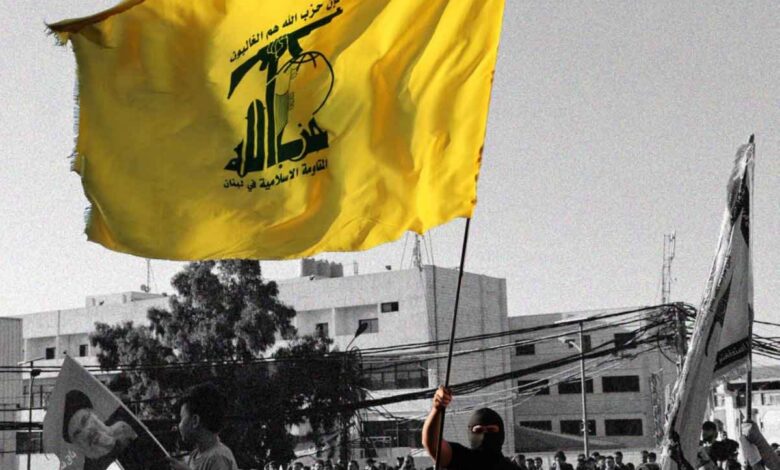
Security sources have said that local Hezbollah members have been detected attempting to re-establish a security and military presence in three southern Lebanese towns covered by US-backed security arrangements. The moves are linked to the group’s preparations for a possible new confrontation with Israel, amid concerns that another war involving Iran could spread to the Lebanese front.
The sources said the activity is concentrated in Zawtar al-Gharbiyeh, Froun and Srifa, where the Lebanese army is deployed and responsible for security. Hezbollah is reportedly seeking to restore its local networks and gather information about positions vacated by Israeli forces, without displaying a direct military presence or confronting Lebanese troops.
According to the sources, members are operating discreetly to assess damage to former military infrastructure, monitor changes on the ground and explore opportunities to reposition. The aim is to retain a foothold in areas intended to serve as a model for removing unauthorised weapons from southern Lebanon.
Returning Through Civilian Fronts
The sources said Hezbollah is using the activities of affiliated health associations, relief organisations and reconstruction bodies to facilitate its members’ movements and reconnect local networks, taking advantage of residents’ gradual return and their need for services and assistance.
These activities reportedly provide opportunities to gather information about movements on the ground, reconnect with local members and identify areas where a presence could be restored. This does not necessarily mean that everyone working for the relief organisations participates in security activities.
The sources stressed that Hezbollah is currently avoiding an overt armed presence in the three towns. It reportedly prefers to rely on members familiar with their geography and social fabric, allowing it to maintain local communication networks without provoking direct friction with the army.
The information is consistent with Israeli reports published in October describing Hezbollah members operating in a civilian capacity within the pilot areas despite the security measures in place.
Weapons, Drones and Military Infrastructure
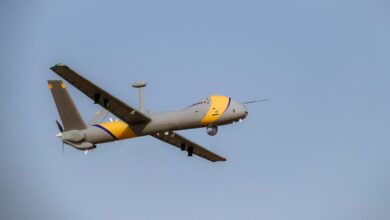
The attempted return takes on added significance in light of searches conducted by the Lebanese army in the three towns. In a September 9 statement, the army announced the seizure of approximately 1,818 weapons and ammunition items, including ten rocket launchers, seven rockets, six drones and 1,560 rounds of small-arms ammunition, alongside mines, explosive devices and other military equipment. The seizures indicate the scale of military equipment previously present in the areas covered by the security arrangements.
The security sources described attempts to rebuild limited military infrastructure, including preserving local communication networks and former supply routes. They also cited indications of efforts to keep some concealed underground entrances usable.
Aerial surveillance and military measures make it harder to bring back heavy weapons and large equipment, the sources added. Hezbollah is therefore reportedly prioritising the restoration of its local networks before seeking to recover its former military capabilities.
Testing the Security Arrangements
The three towns fall under the framework agreement brokered by Washington last June, which provides for a gradual Israeli withdrawal alongside Lebanese army deployment and the removal of unauthorised military infrastructure.
Israeli forces withdrew from Zawtar al-Gharbiyeh in July. Lebanese troops were already present in Froun and Srifa before expanding their security measures under the new pilot arrangement.
The sources believe Hezbollah views these areas as a test of its ability to return to other parts of southern Lebanon, particularly as efforts to expand implementation of the agreement have stalled and disagreements persist over verification and withdrawal mechanisms.
Meanwhile, the Lebanese army continues to establish observation posts and checkpoints, conduct engineering surveys and seize weapons as part of its stated mission to prevent military activity outside state authority.
The sources linked the attempted repositioning to Hezbollah’s preparations for another military confrontation. The group reportedly aims to avoid losing its local networks in areas that previously formed part of its deployment south of the Litani River.
It views the possibility of a wider regional confrontation as a scenario requiring it to retain monitoring, communication and movement capabilities, even in areas subject to new security arrangements.
The sources added that continued Israeli movements near some towns, including around Zawtar al-Gharbiyeh, heighten tensions on the ground. The pilot arrangement consequently faces a test of its ability to prevent weapons from returning and stop clashes from resuming.
They stressed that the available information establishes attempts to restore a presence and gather intelligence, but does not yet demonstrate that Hezbollah has successfully rebuilt fully operational combat units inside the three towns.
What Does Hezbollah Want?
Military and strategic expert Mohamed Youssef al-Nour believes the attempted return shows Hezbollah recognises that losing its local presence is as militarily significant as losing weapons.
In any future confrontation, he said, the group would need human networks, communications and the ability to monitor movements on the ground. The latest war exposed the vulnerability of fixed positions to Israeli air and intelligence superiority.
From this perspective, al-Nour argues, returning through local members and civilian activities may be an attempt to maintain a discreet presence that would allow capabilities to be rebuilt gradually if circumstances change. Turning that presence into an effective combat structure, however, requires weapons, logistical support, and command and control—elements difficult to restore under current surveillance.
If another regional war breaks out, Hezbollah may seek to use these networks to recover some operational capabilities, he concluded. Its success would nevertheless depend on what it has actually rebuilt, rather than merely on its members returning to the villages.